Happy Birthday Lily!
Hello Lily!
Congratulations on completing another orbit around our Sun! To celebrate, here is another collection of souveniers from my travels.
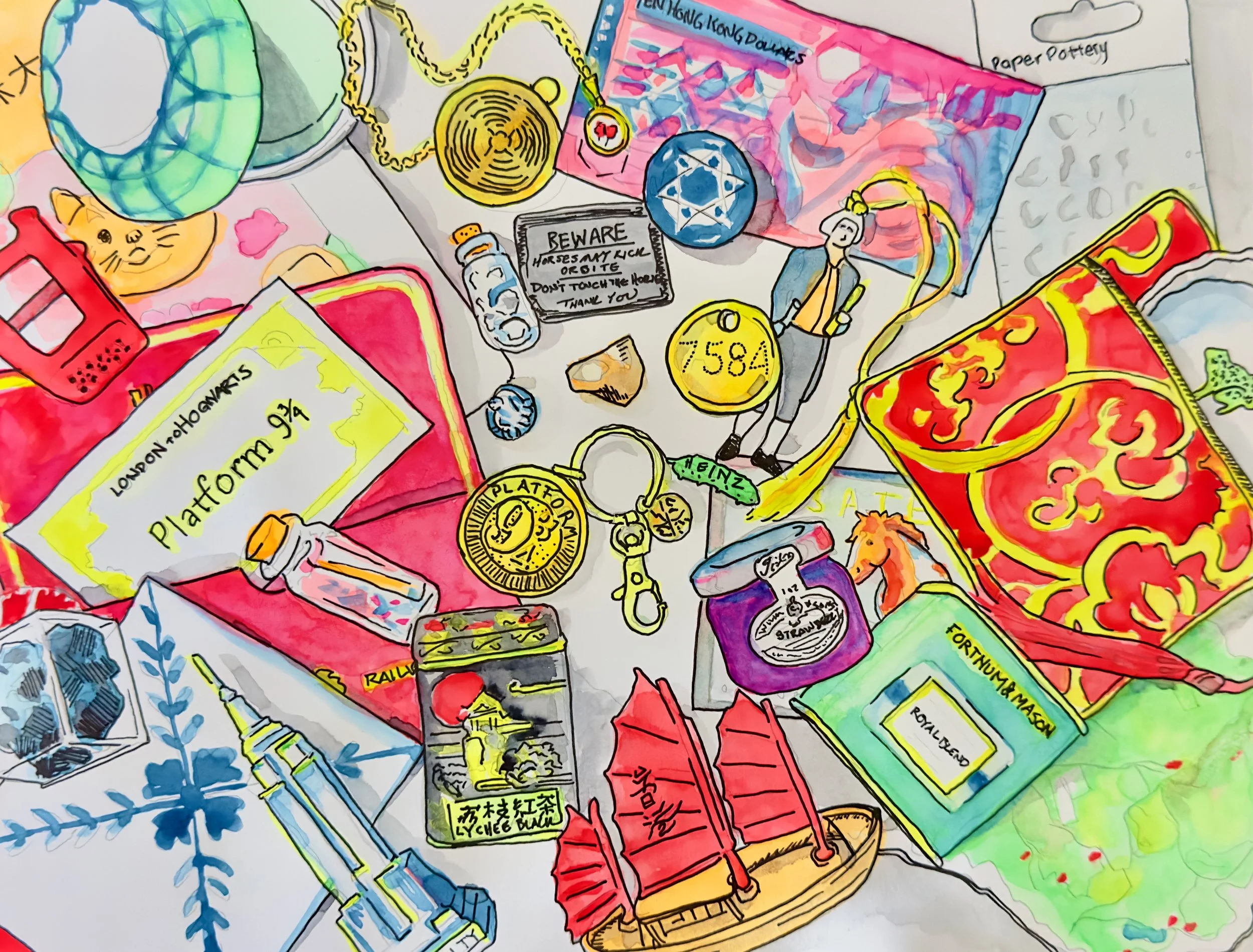
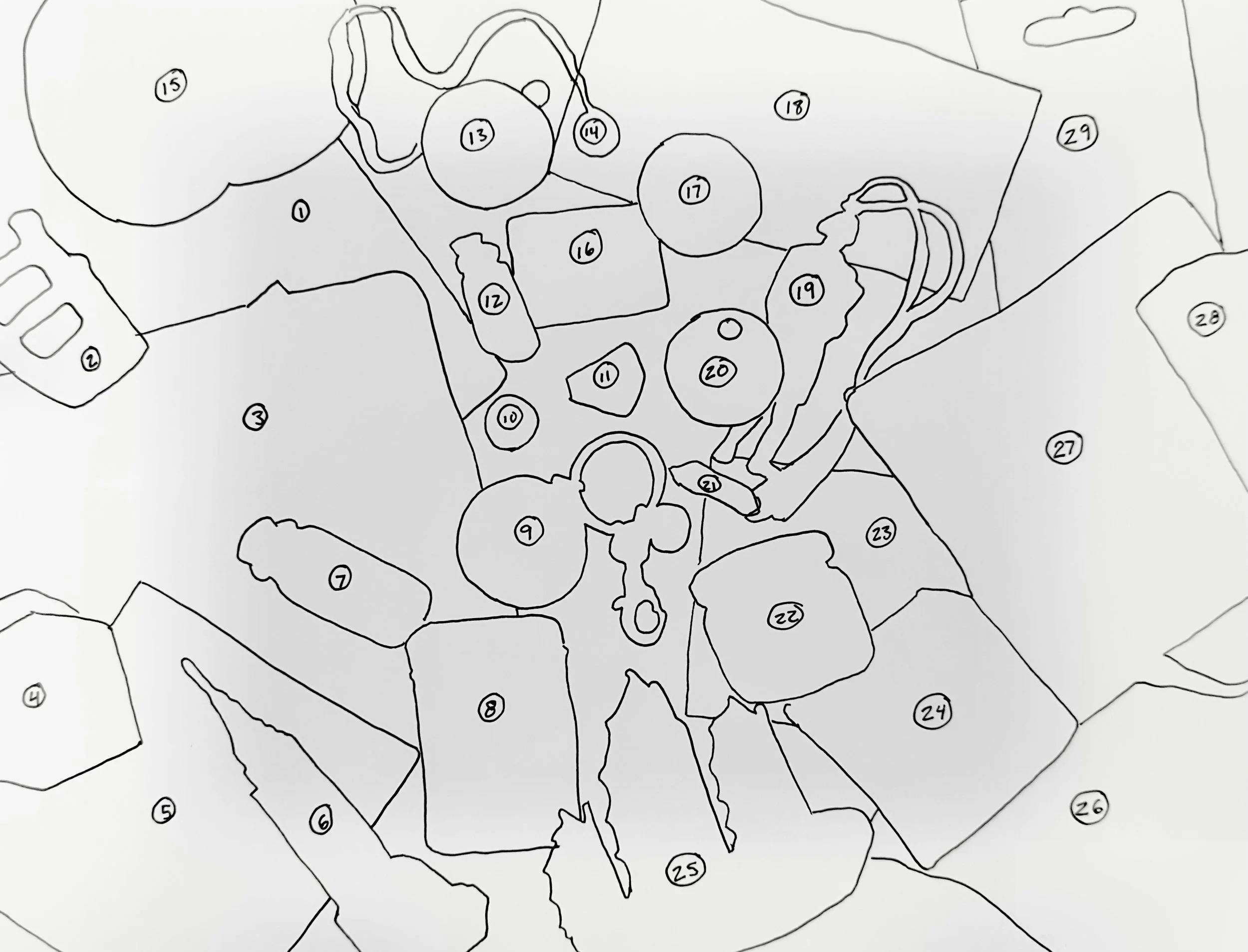
While opening your Birthday Gift this year, I thought it would be fun to bring the exploration online so you can explore deeper into each object’s story a bit further. Above is the painted picture that you will find in your gift - I chose not to write on it so that you could put it in a frame or pin it on your wall. The drawing below shows the outlines of each object - each has a number assigned to an object to help you identify the relevant explanation. Have fun scrolling through the objects!
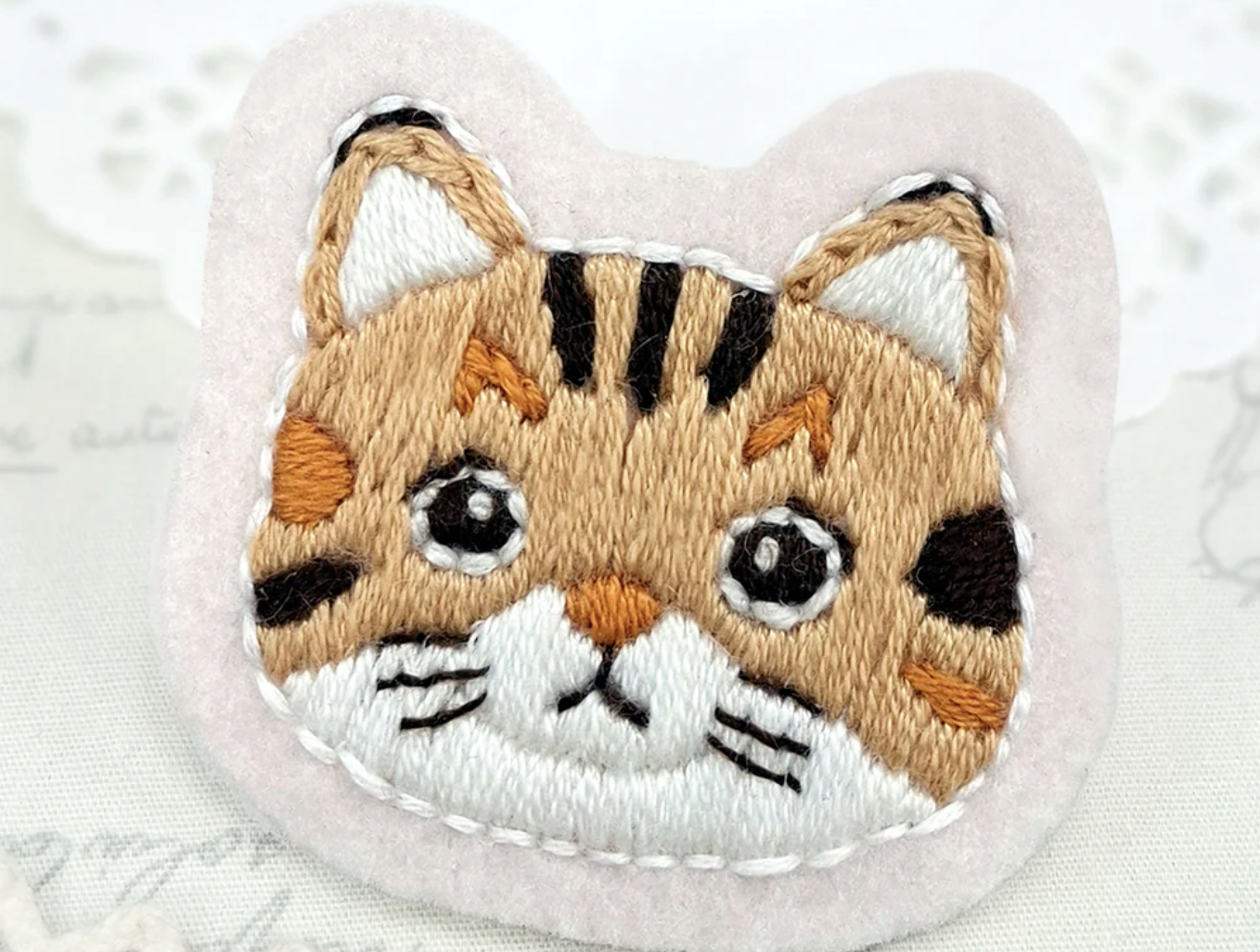
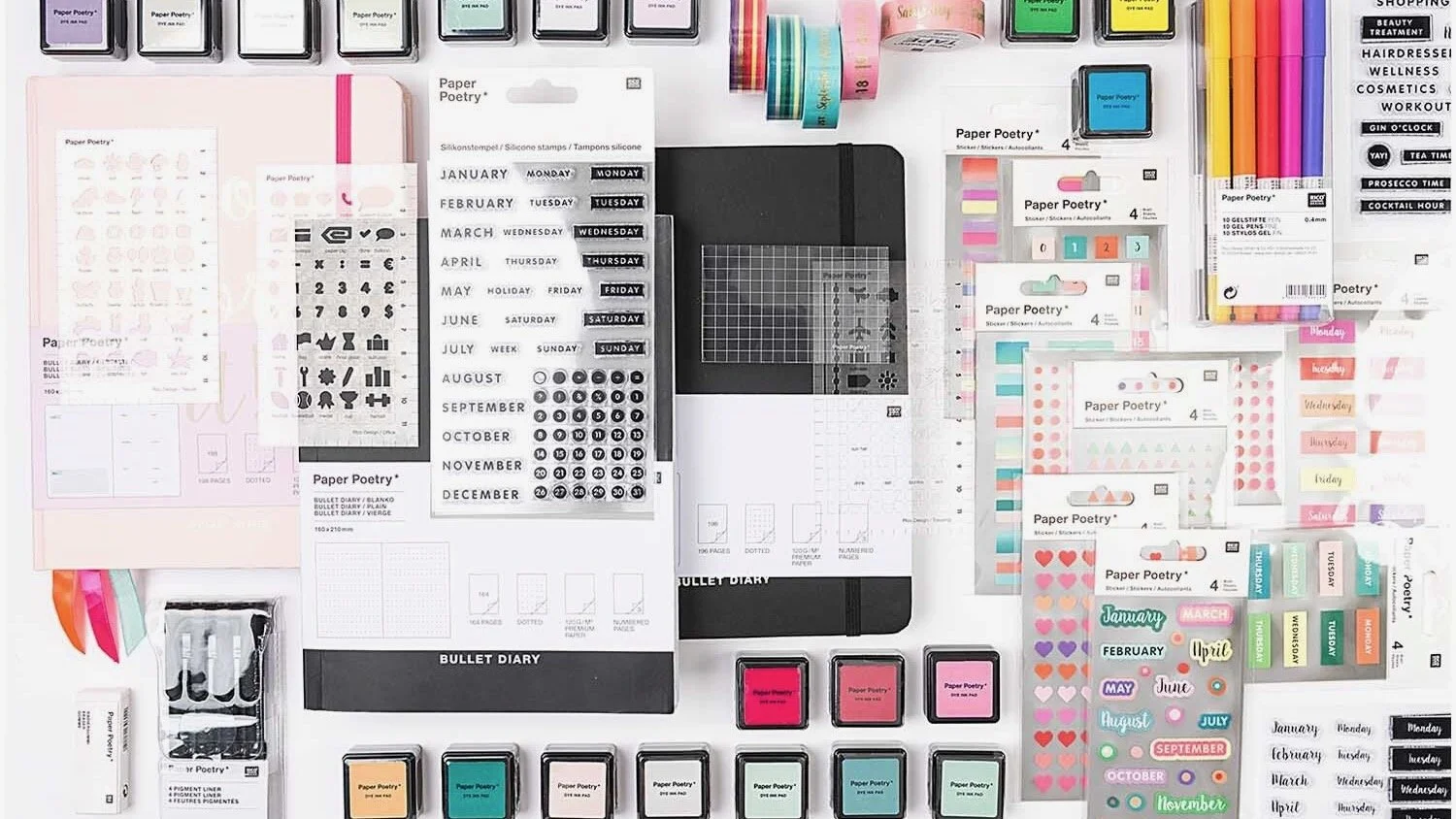
Item No. 1 + 29
Hong Kong + Heidelberg, Germany
I found this kit in the most amazing art supply store in Hong Kong. This kit looked like fun ( I bought two others, a tuxedo and a calico). The trick to doing it, is not overthinking it and just make it, think of it like a coloring book with thread and have fun! The second little doo-dad (no. 29) is a template that you can use in your school journal, a bullet journal, notes, or just have fun with it. Found this in a German art supply store.
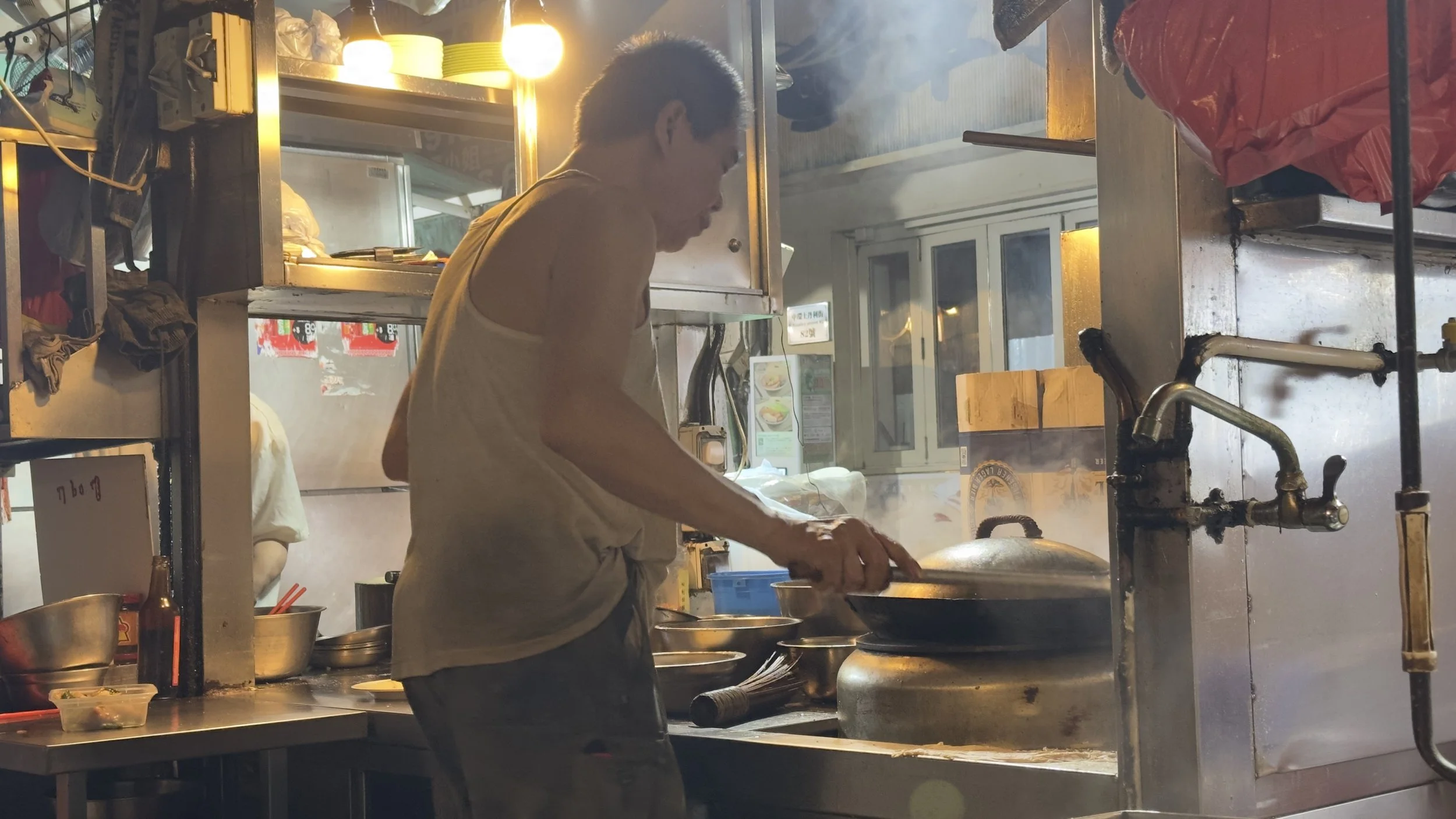
This guy is apparently famous and appears in many advertisements about Hong Kong - As we boarded the plane to fly back home, we saw him on the Airline’s inflight video. Here he is preparing our dinner!
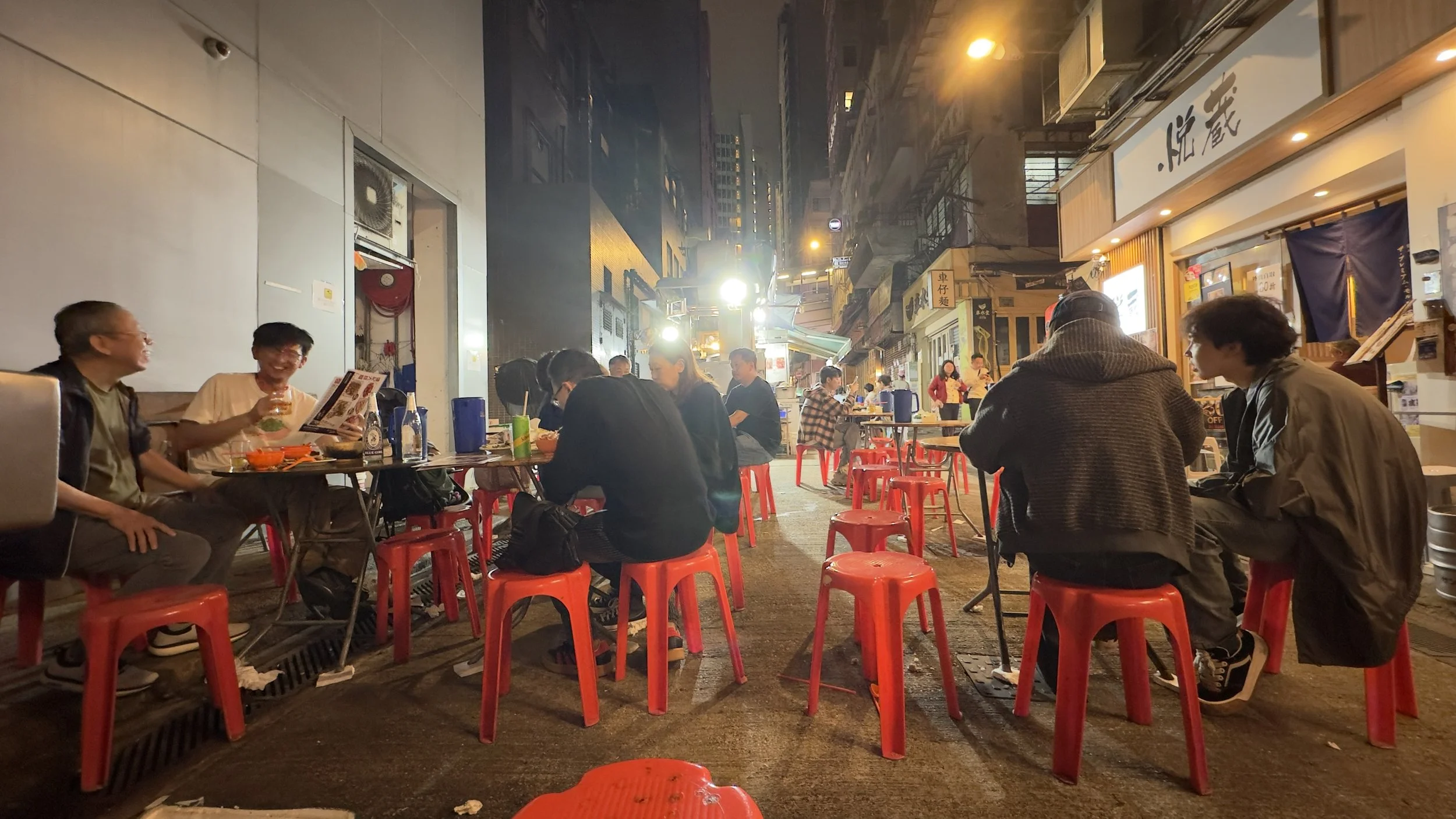
The Iconic Red Plastic Stool in action on the Hong Kong Streets.
Item No. 2
Mini Dai Pai Dong ( 大牌档 ) stool. In the past, when Hong Kong was under British rule, there were many freedoms that existed in the city that are fading as China transitions Hong Kong under its own full governance. After WWII, food stalls were an economical way to create informal restaurants. Now, sadly, these informal restaurants are being phased out, despite being awarded Michelin Stars. There are only a handful of these restaurants left and despite the demand, the government is not issuing any more licenses to create more. Dai Pai Dongs were made of green metal pavilions that can open and close like a Transformer. The “dining room” is the terrace directly next to where the pavilion stands. Each has its own territory where you’ll find folding tables and the red plastic stools. These stools have become an icon of this fading Hong Kong institution.
Items No.3 and 9
London, UK
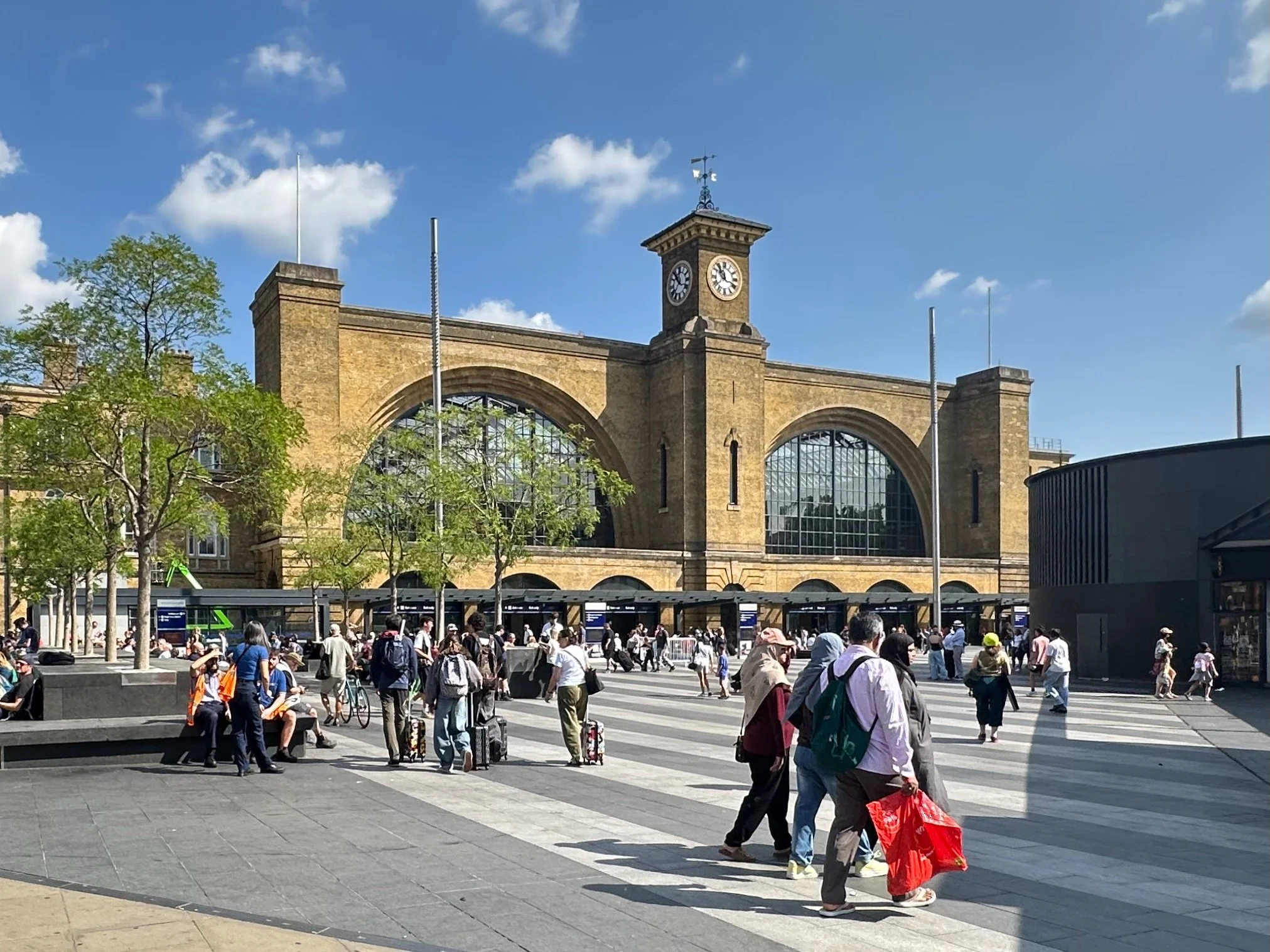
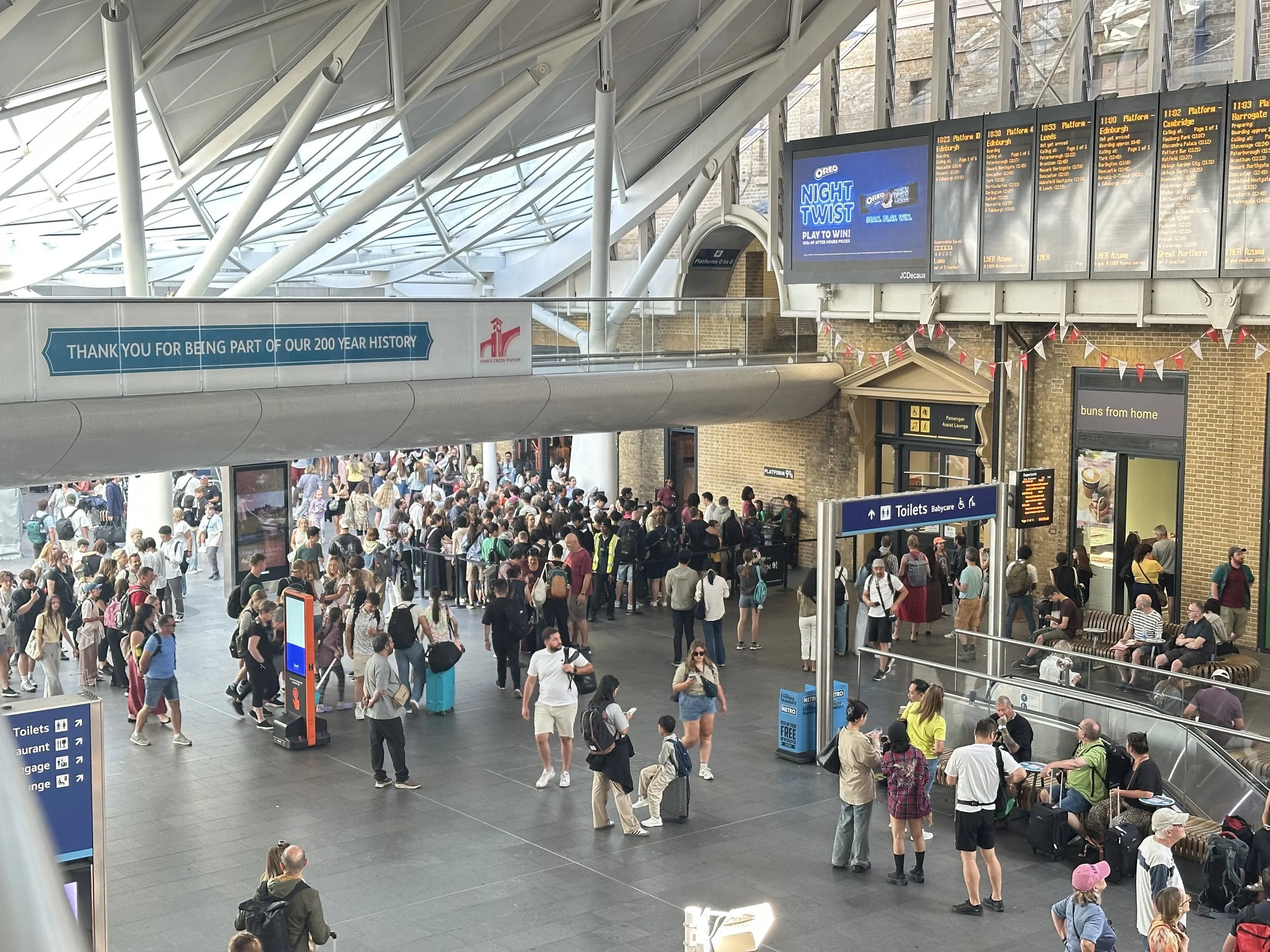
Kings Cross Station in London, England is where you can find Platform 9 3/4 and catch Hogwart’s Express. When I visited the platform, I was surrounded by a very thick crowd of Harry Potter fans waiting in line to get their photo taken. Next to the platform, is the Harry Potter flagship store where you can enjoy. a Butter Beer, Bertie Botts Every Flavour Beans, or get everything you need for your first year at Hogwarts.
The keychain you are holding can only be obtained at Platform 9 3/4.
Item No.4
Essen, Germany
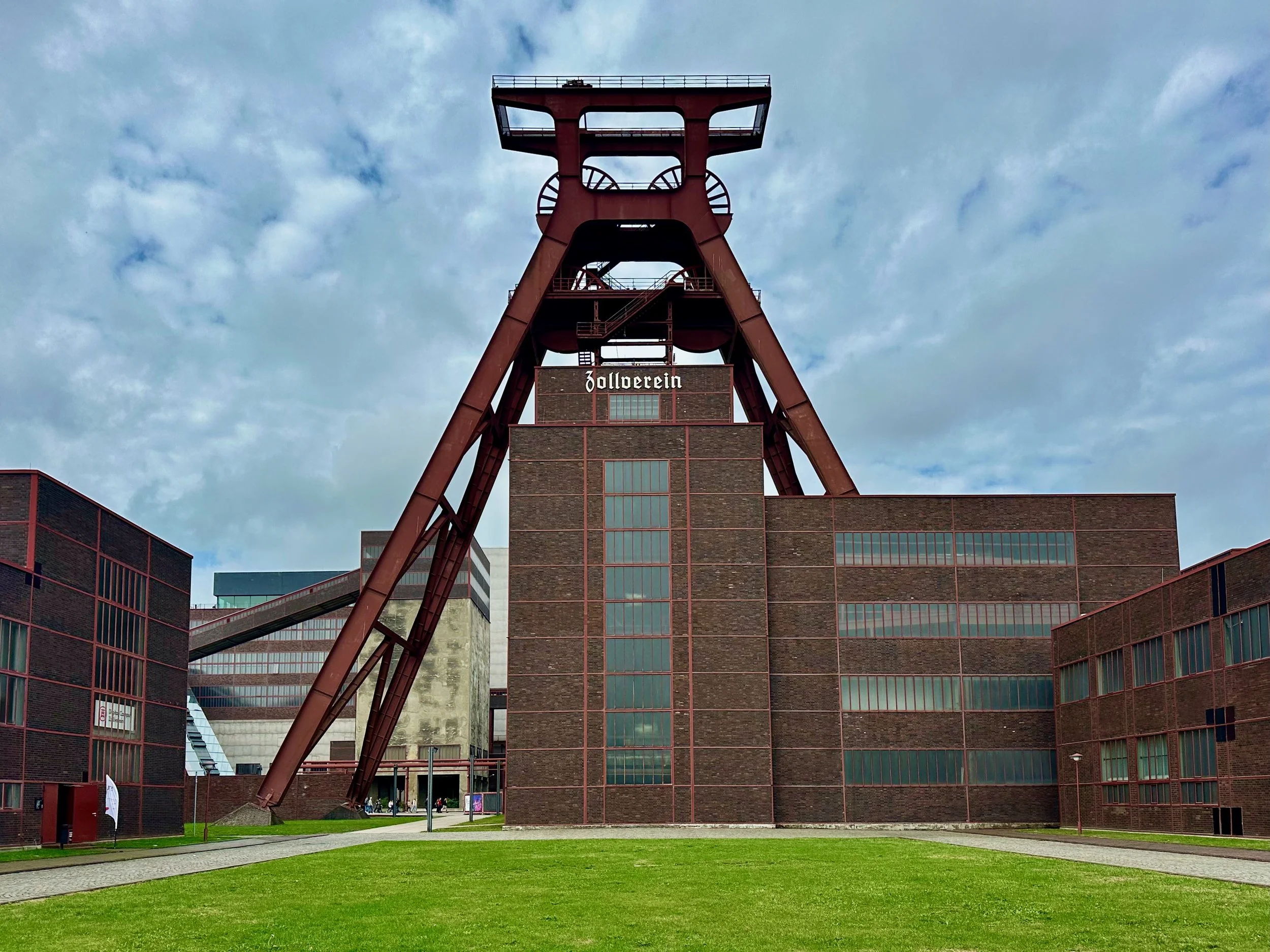
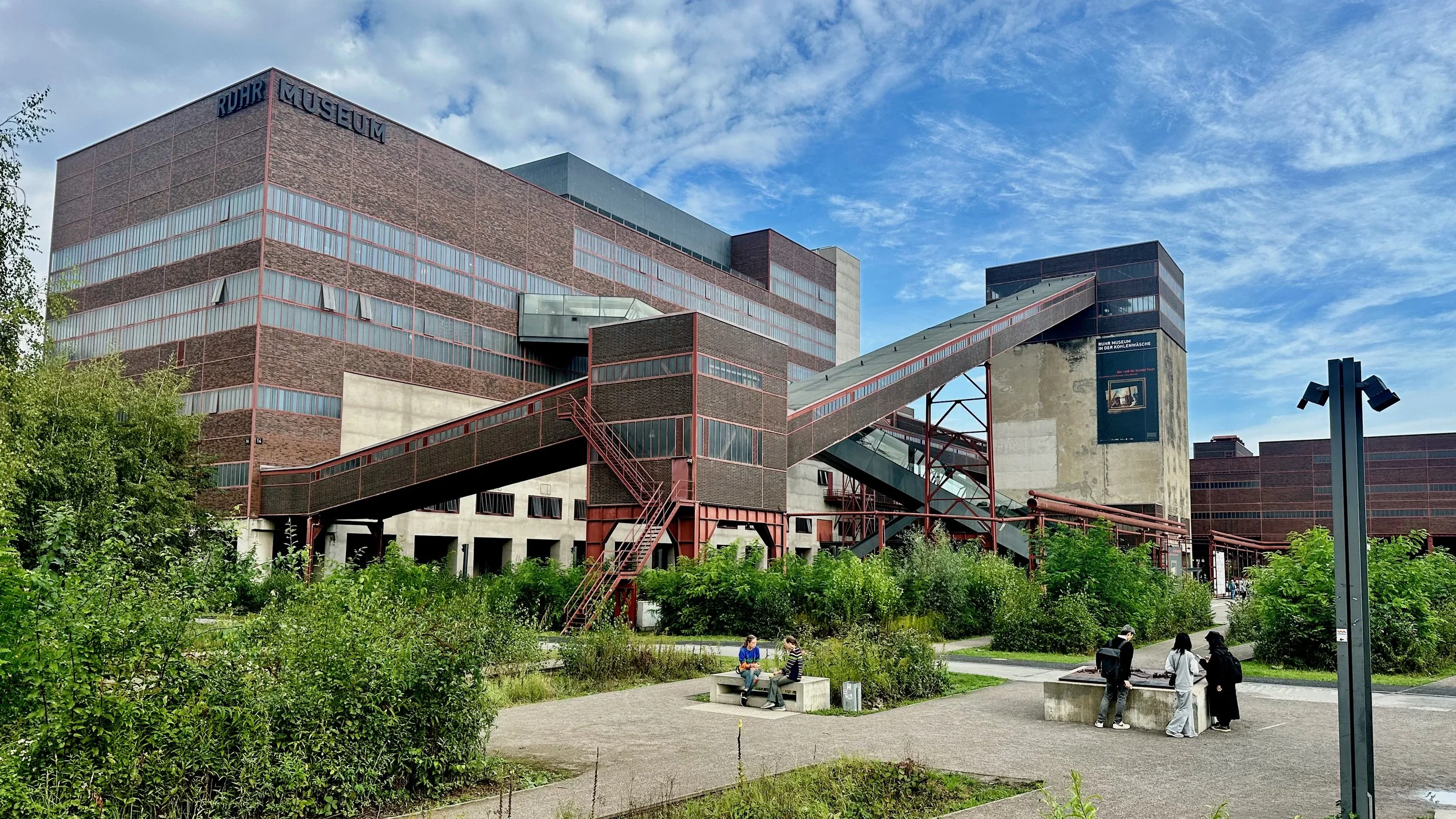
One of germany’s largest coal deposits sits deep in the earth beneath Essen. It is named Zollverein. This highly industrialized area between Essen and Düsseldorf is known as the Ruhr Gebiet (Ruhr Region). The Ruhr River is a large tributary of the Rhine River - which meets its end in the North Sea as it winds through Rotterdam. The Ruhr Gebiet drove the industrialisation of the german military aparatus during WWI and WWII. So much coal was mined from many layers, hundreds of feet underground, leaving expansive unsupported spaces, that it actually caused earthquakes in the area as the underground collapsed. Scary!
The coal workers were very proud to be working in the mines despite the difficult conditions. Like many large industrial complexes in the early to mid 1900’s, Workers became very close to one another and supported each other in solidarity. Songs from the miners have become a local anthems sung at soccer games as it has become an emblem of pride for the region. “Glück Auf” which translates to Good Luck, was an expression used to greet each other and to offer support as their fellow miners decended into the earth, this is the way locals say hello now.
Inside the small clear plastic box is a piece of coal from the mines beneath Zollverein.
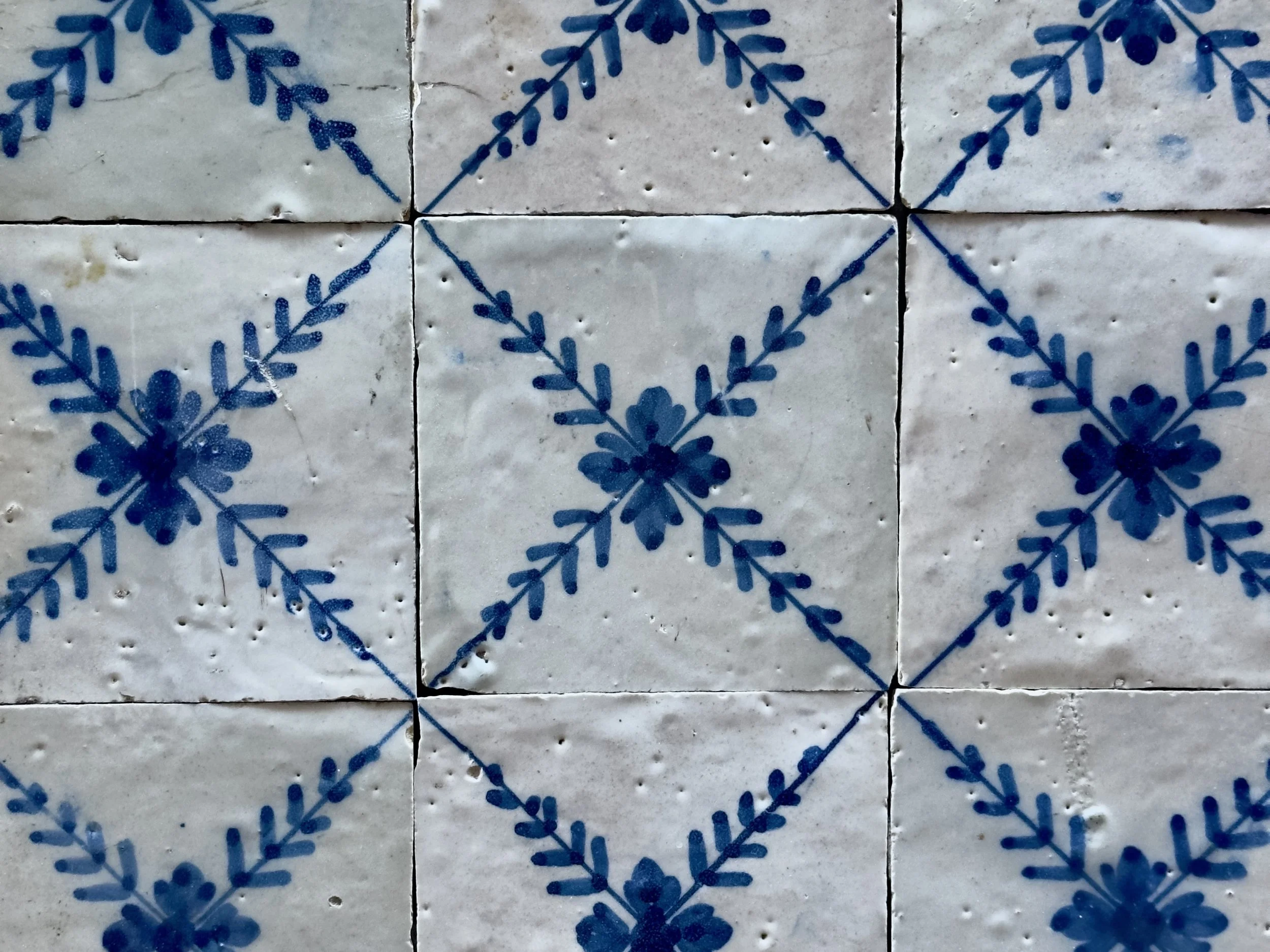
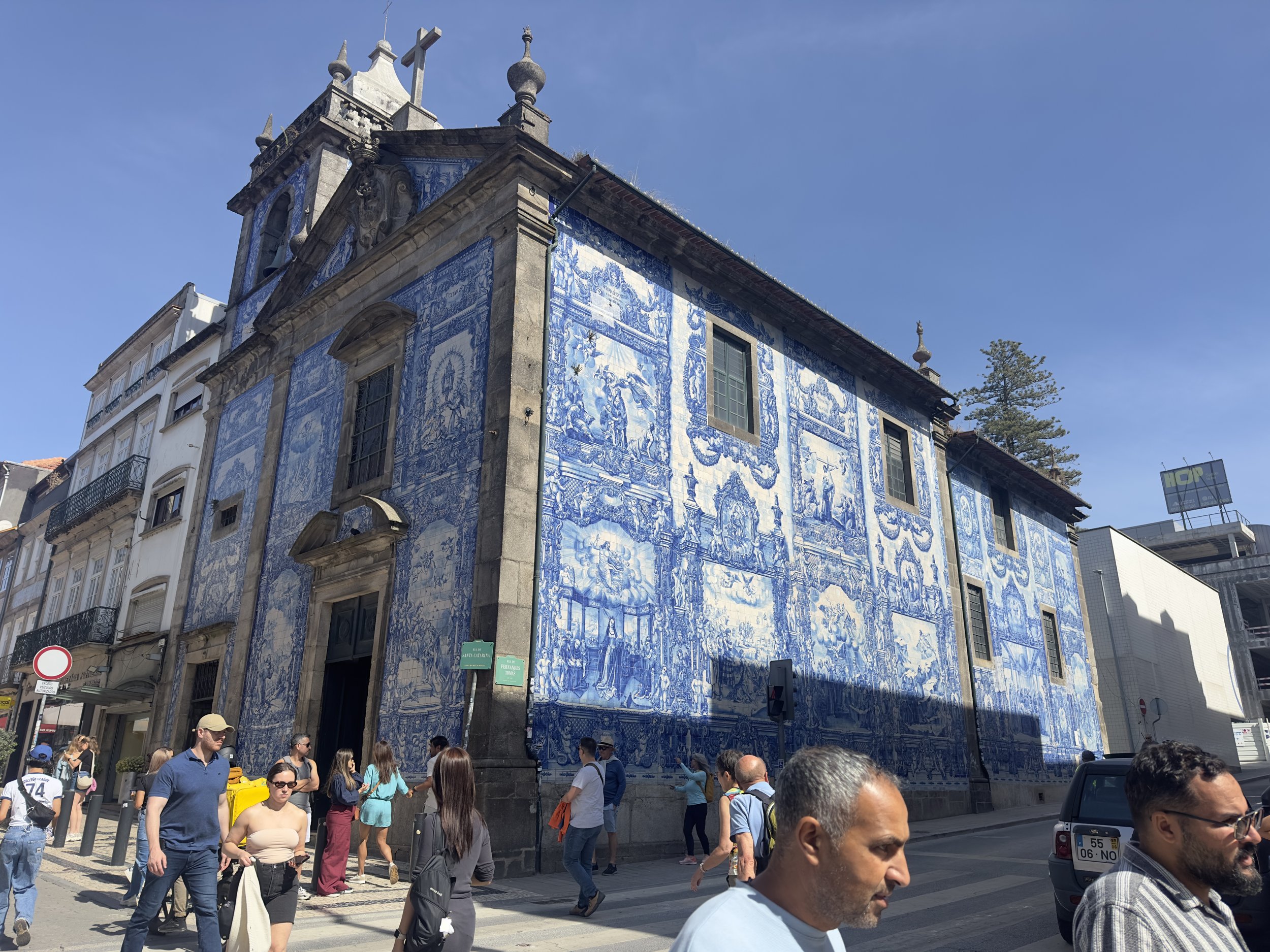
Traditional Blue Azulehos
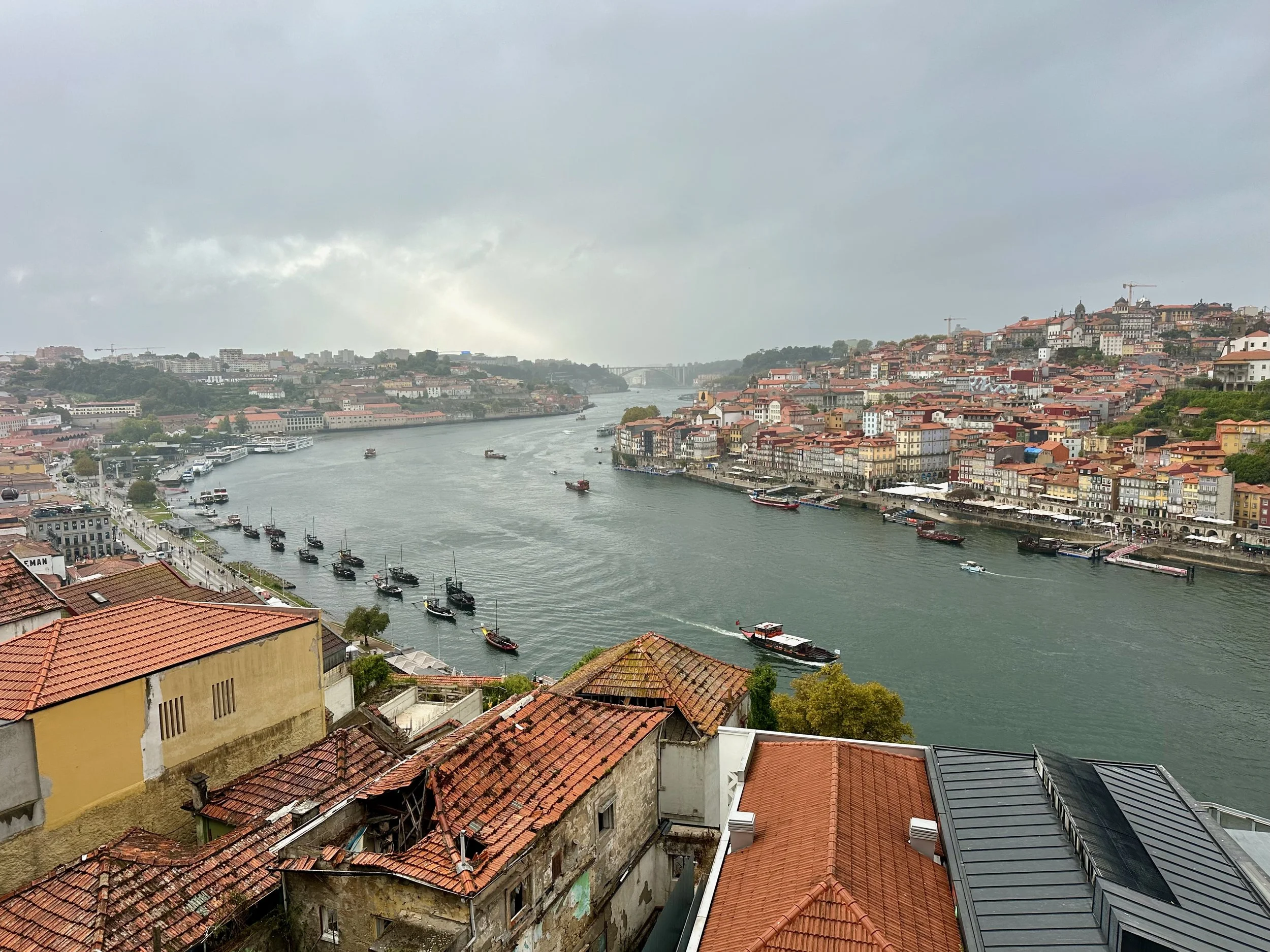
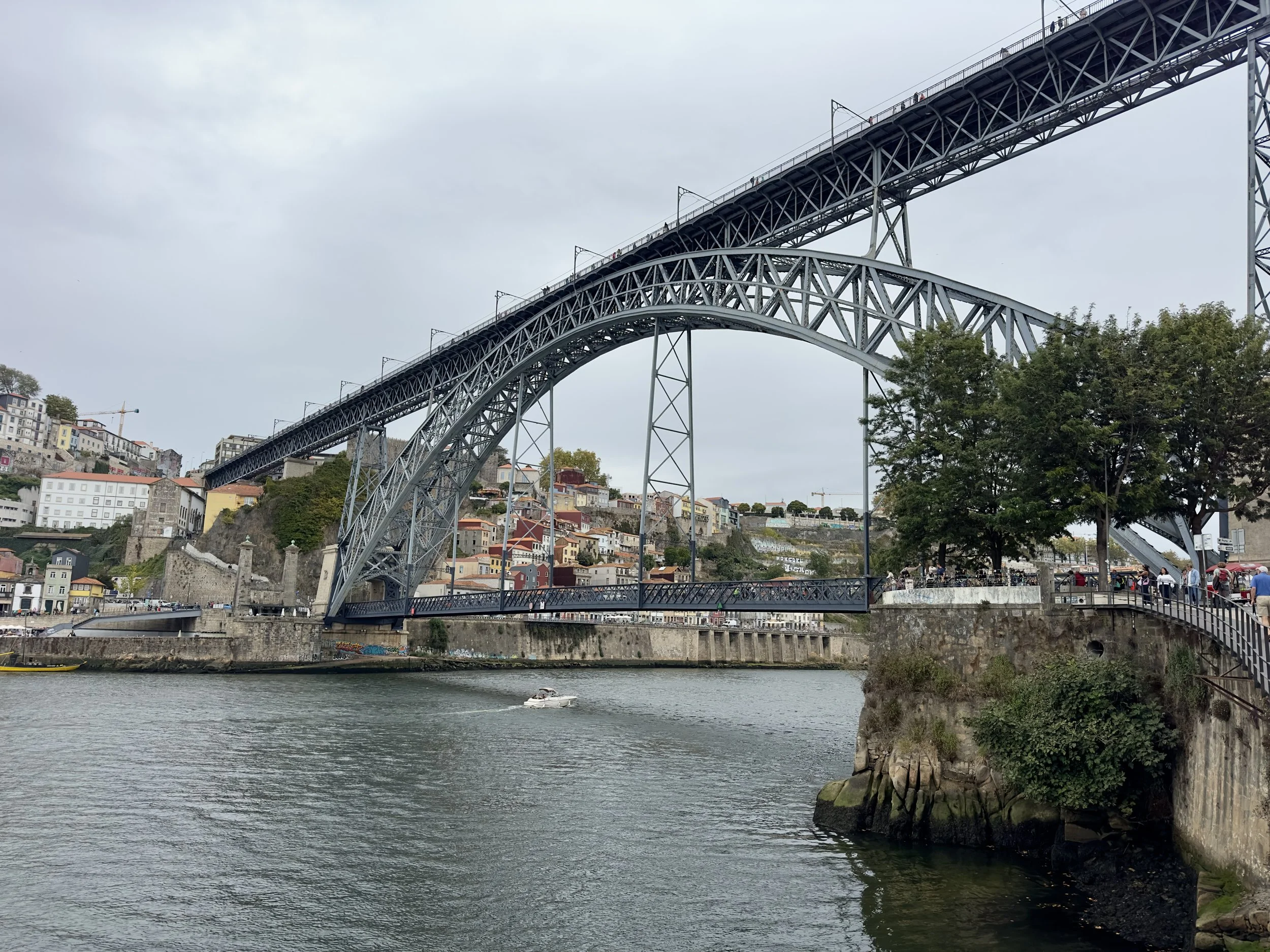
An expansive view of Porto
Item No. 5
Porto, Portugal
Spain and Portugal both employ tile work on the facades of their buildings. You’ll find them with different patterns, or a group of tiles that together portray a scene, sometimes they create a more dynamic facade than what is actually built. Sometimes the tiles are created with sculptural detail.
Prior to the 1600s, Moorish people from north africa settled much of Spain and Portugal. Their architectural use of small geometric tiles on the interior and exterior walls of their buildings were called Azulejos, or “polished stones, الزليج ” in Arabic. Beautifully arranged on the walls of their mosques and palaces, the mathematical patterns are intricate and awe inspiring. One of the best preserved examples of Moorish tile work can be seen at the Alhambra in Granada, Spain.
The most common type of tiles seen today came into prominence in the 1700s. Instead of employing local craftspeople, the population began to crave the trendy new blue porcelain that was coming from the Netherlands. This blue pigmentation is called Delft Blue. (And as you’ll find out later, these tiles have a close relationship to the last object on this list. Can you find the connection?) Portugese merchants began requesting tiles be made using this blue pigment. So many of the tiles are monochromatically decorated with blue. There are also many tiles with multiple colors, most prominently, yellow, red and green - The colors of the Portugese Flag.
The use of beautiful tiles continues to have a significant influence on the local architecture. They are now protected by law as a way to preserve both the heritage and beauty of Portugese cities. You will find a replica of an “Azulejos” pictured above in your box.
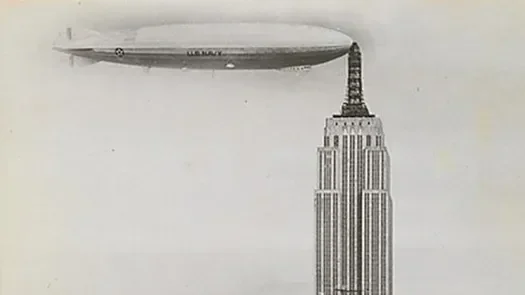
A fantastic (and fake) image produced in 1930, showing a US Navy Blimp docked atop the Empire State Building. How did they do this without Photoshop?
Item No. 6
New York City, NY
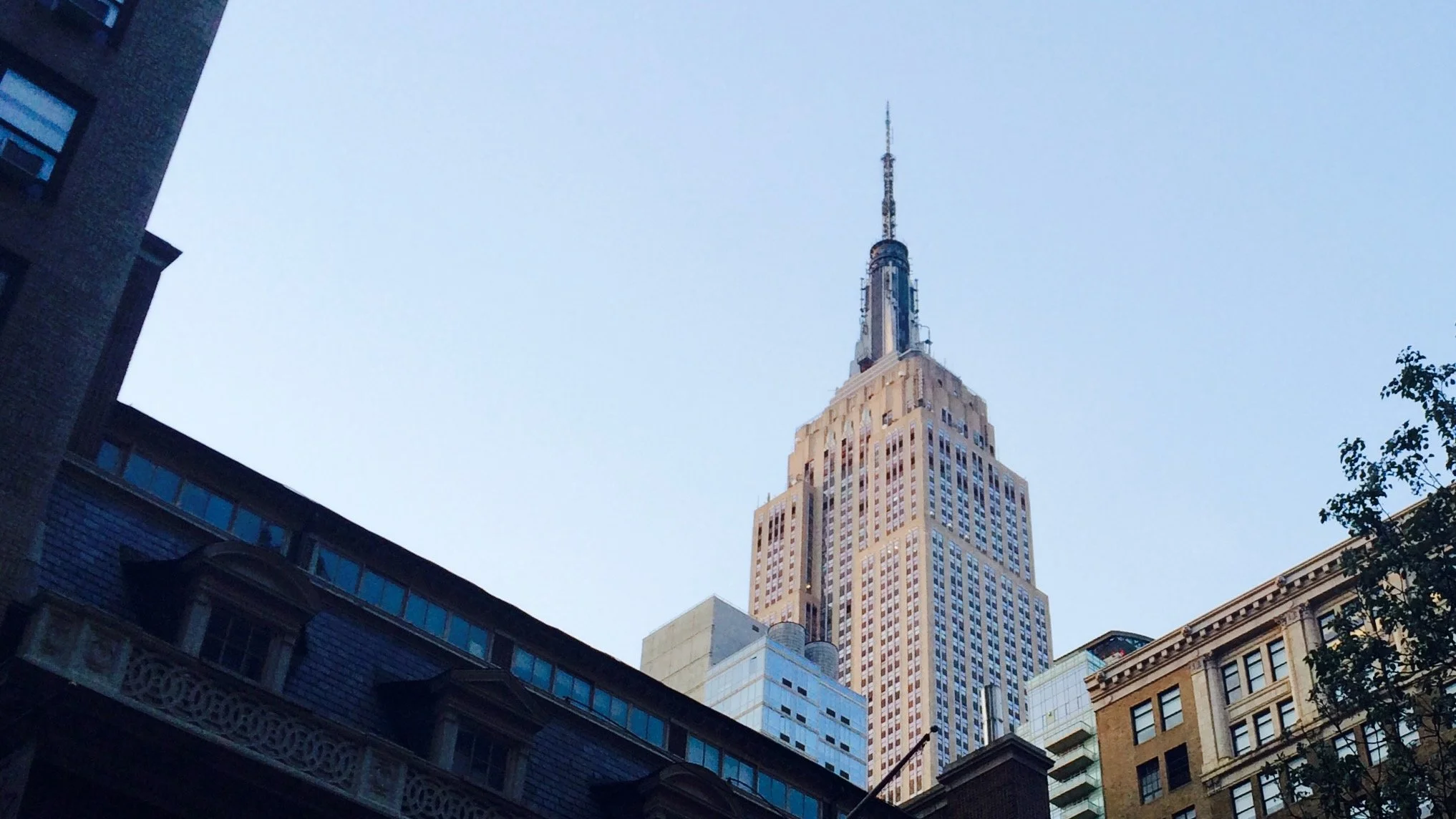
The Empire State Building is one of New York City’s most famous buildings. Built between 1930-1931, it set records for being completed in one year and 45 days when it became the world’s tallest skyscraper, a title it proudly held for the next 39 years until the original World Trade Center 1 was built in Lower Manhattan. One of the elements of this building is the large spire that sits atop the 86th Floor. The spire itself is over 200 feet tall and was originally designed to serve as an airport for Dirigibles. Once the structure was built, it was quickly realized that doing this was an idea of fantasy rather than reality. Only one Blimp ever docked to the Mooring Mast in winds that exceeded 40 mph. This singular docking was so harrowing, they never attempted the feat again.
In 1933, already famous, it became a pop icon and a central character in the Movie King Kong.
In 1945 on a very foggy day with limited visibility, a B-25 Bomber collided with the Skyscraper
For many people who live and work in New York City, it is a central point that serves as a wayfinding beacon. Despite the many recent supertall skyscrapers that have been built, it remains visible as you look down the Avenues. It is a symbol of New York.
You will find a miniature of the Empire State Building, it is both a symbol of radical ingenuity and following dreams while simultaneously serving as a cautionary tale to be sure you have considered even the most obvious.
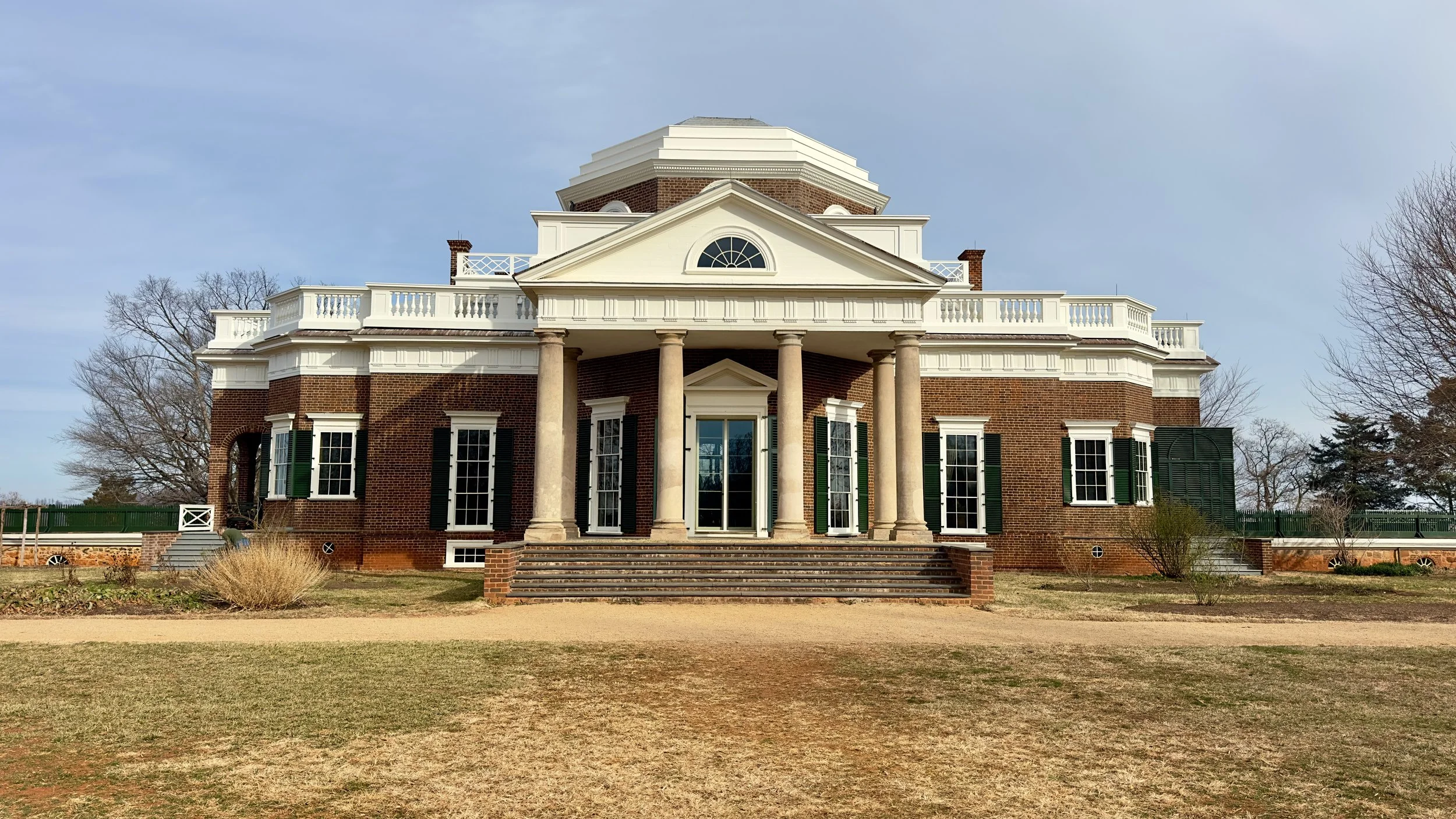
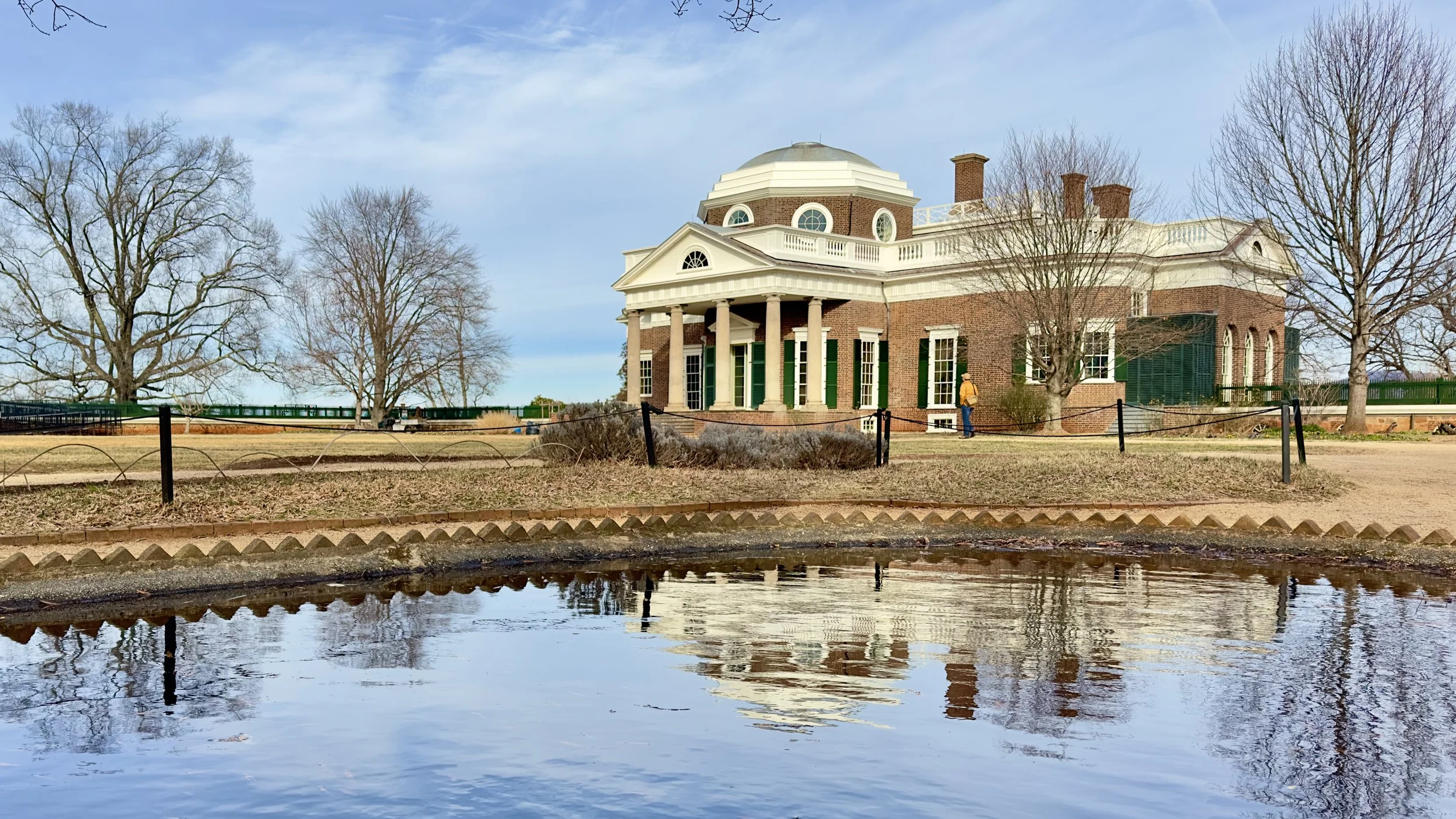
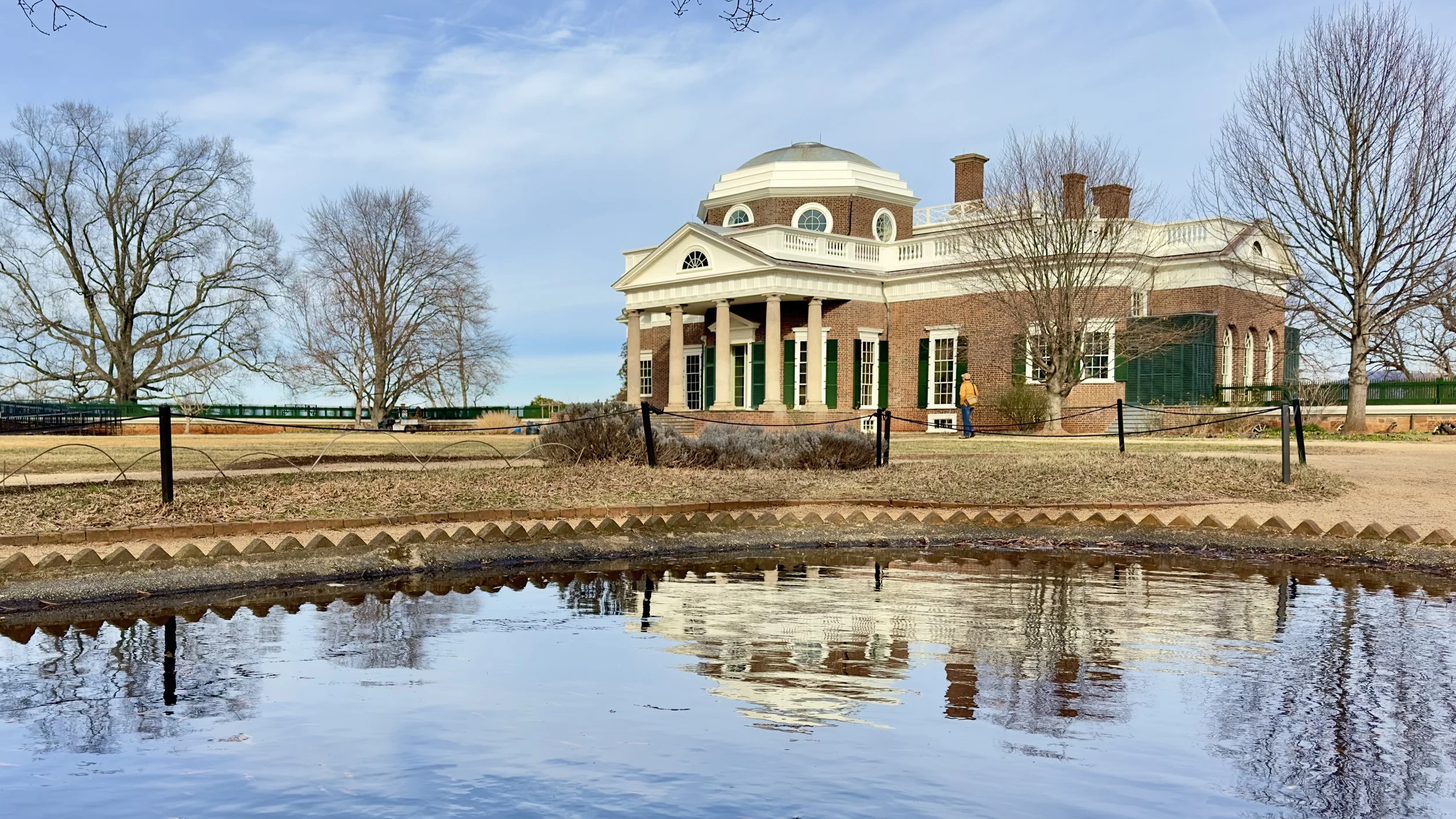
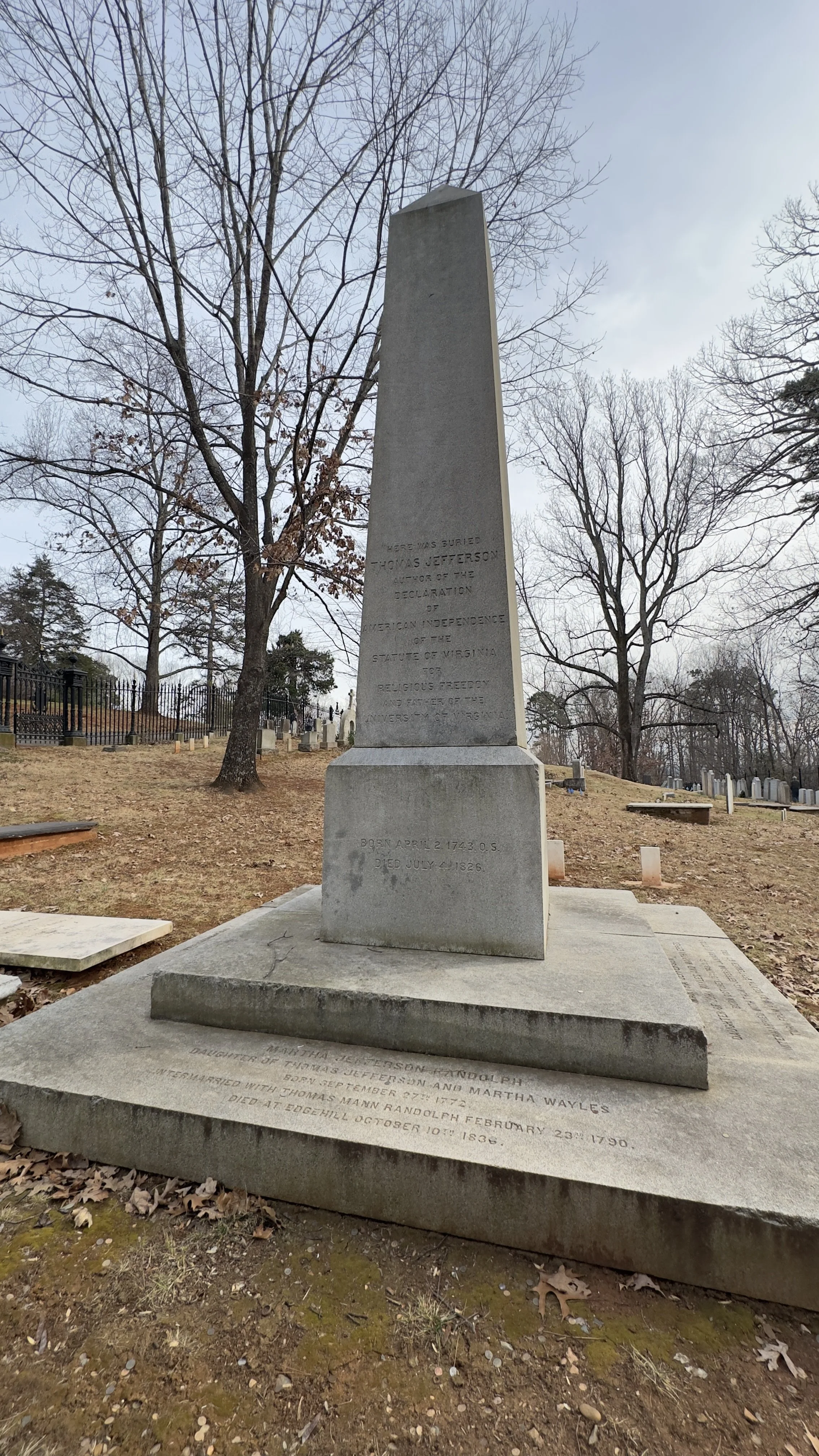
Monticello is considered and architectural masterpiece, often studied by both architects and archeologists. Thomas Jefferson was the architect.
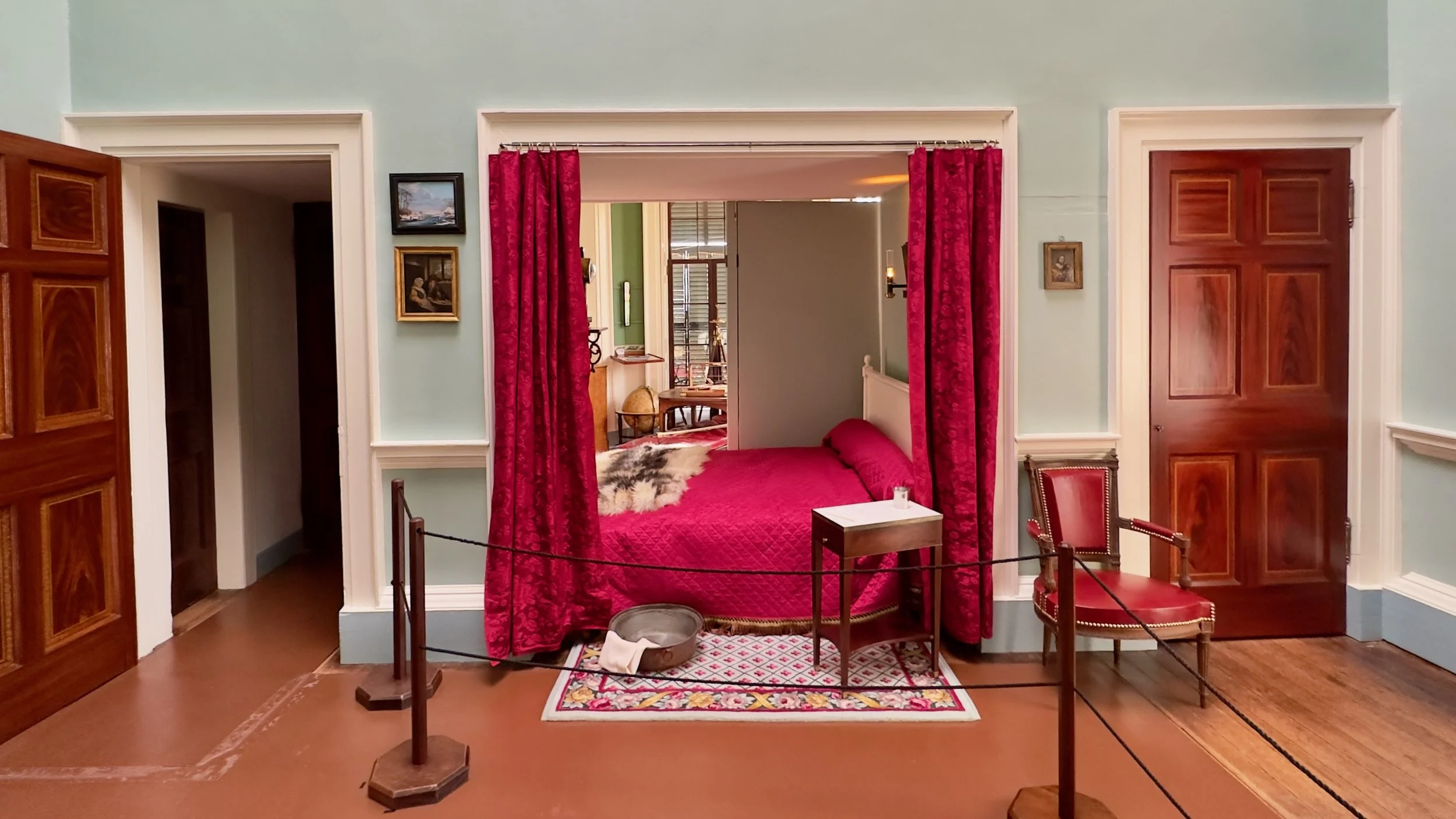
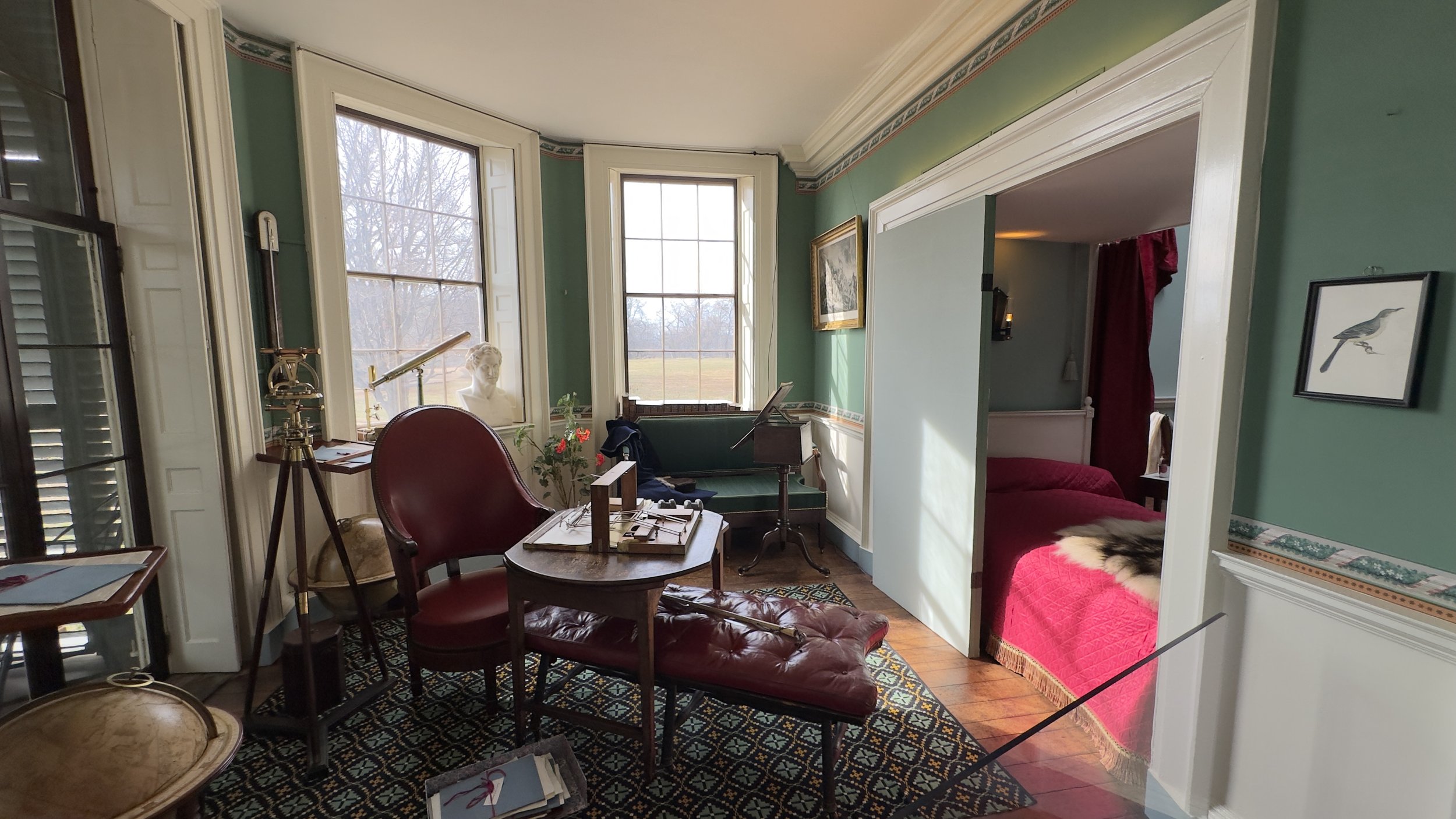
Thomas Jefferson’s bed was placed in a very thick wall, he could start his morning getting ready for the day in his bedroom, and then retire at night directly from his study.
Item Nos. 7 + 19
Charlottesville, VA
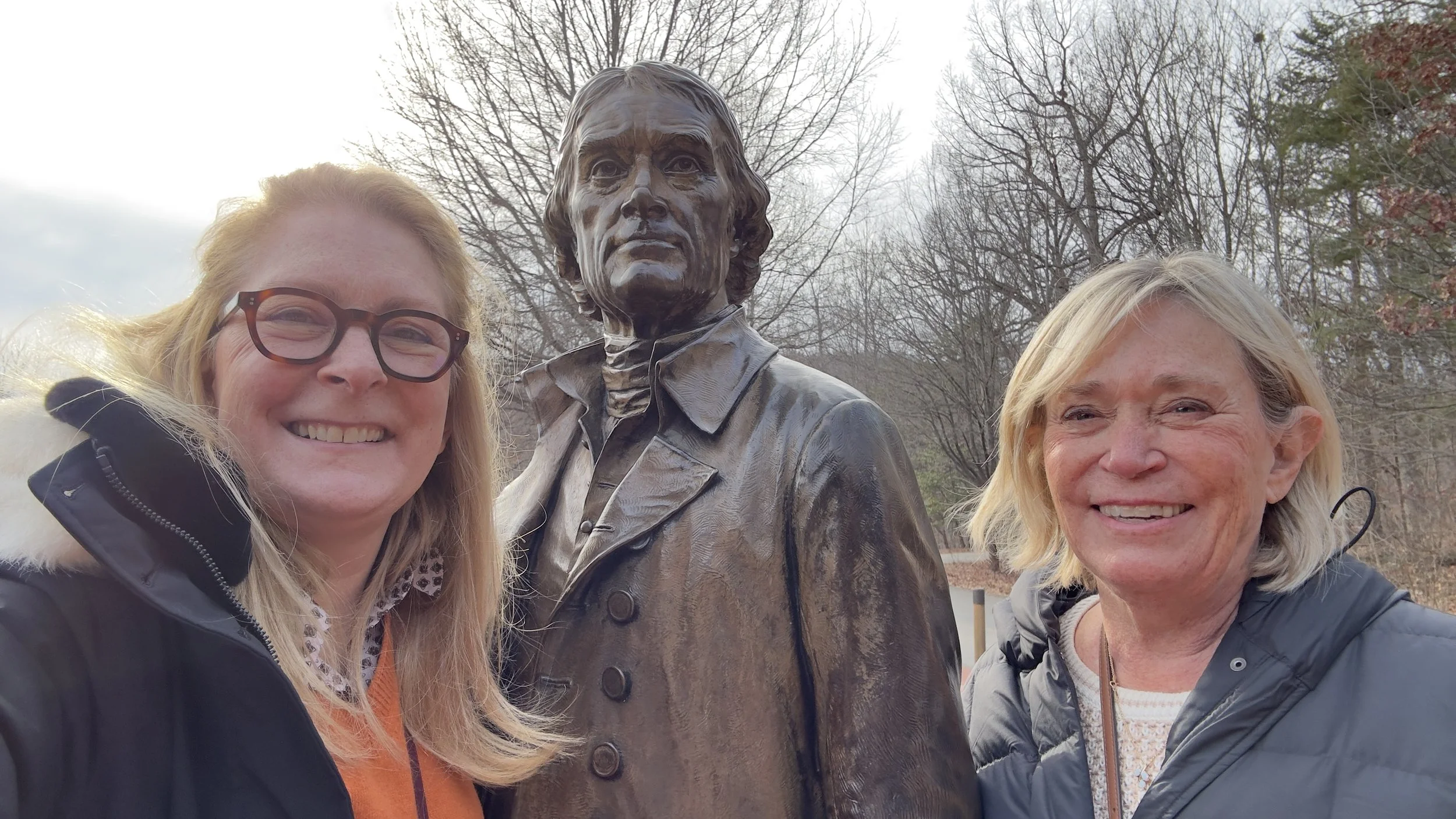
Thomas Jefferson’s House. Thomas Jefferson was not only one of the Founding Fathers of the United States of America who fought against England’s tyranical rule over the colonies, who authored and signed the Declaration of Independence, was the 3rd elected President of our Nation, he was also an Architect. Most notably, he designed the original University of Virginia Campus which he called the Academical Village, and his masterpiece, Monticello.
While Jefferson’s house may appear familiar, his use of various architectural novelties set the design apart. For one, his private bedroom was planned so that it was adjacent to his office - In the thickness of the wall, he created an alcove for his bed. In architecture we call the space inside the walls “Poché” - French for Pocket. Jefferson used that Pocket space in a very ingenious way, the bed sits inside the Poché, it is a pocket bed, where he could easily retire from his office by sliding into his bed late at night, and rising into his dressing room in the morning. There are many interesting secret spaces tucked away in the walls and out of sight. Many closets and passageways can be found behing doors, allowing slaves to move quickly, silently and invisibly through the house.
His use of skylights and creating different levels of rooms between floors was also innovative. I think its pretty interesting to look through his sketches and drawings of Monticello, his thought process becomes visible, there are early ideas sketched out, and changes as well as his thoughts on how his house sat wihin the land. Take a moment to scroll through the drawings, and try to understand what the drawings are representing and what they mean.
I would also take a careful read of the Declaration of Independence, it is an interesting document.
You have two small items, a bottle with a miniature Declaration of Independence and a bookmark of Thomas Jefferson himself.
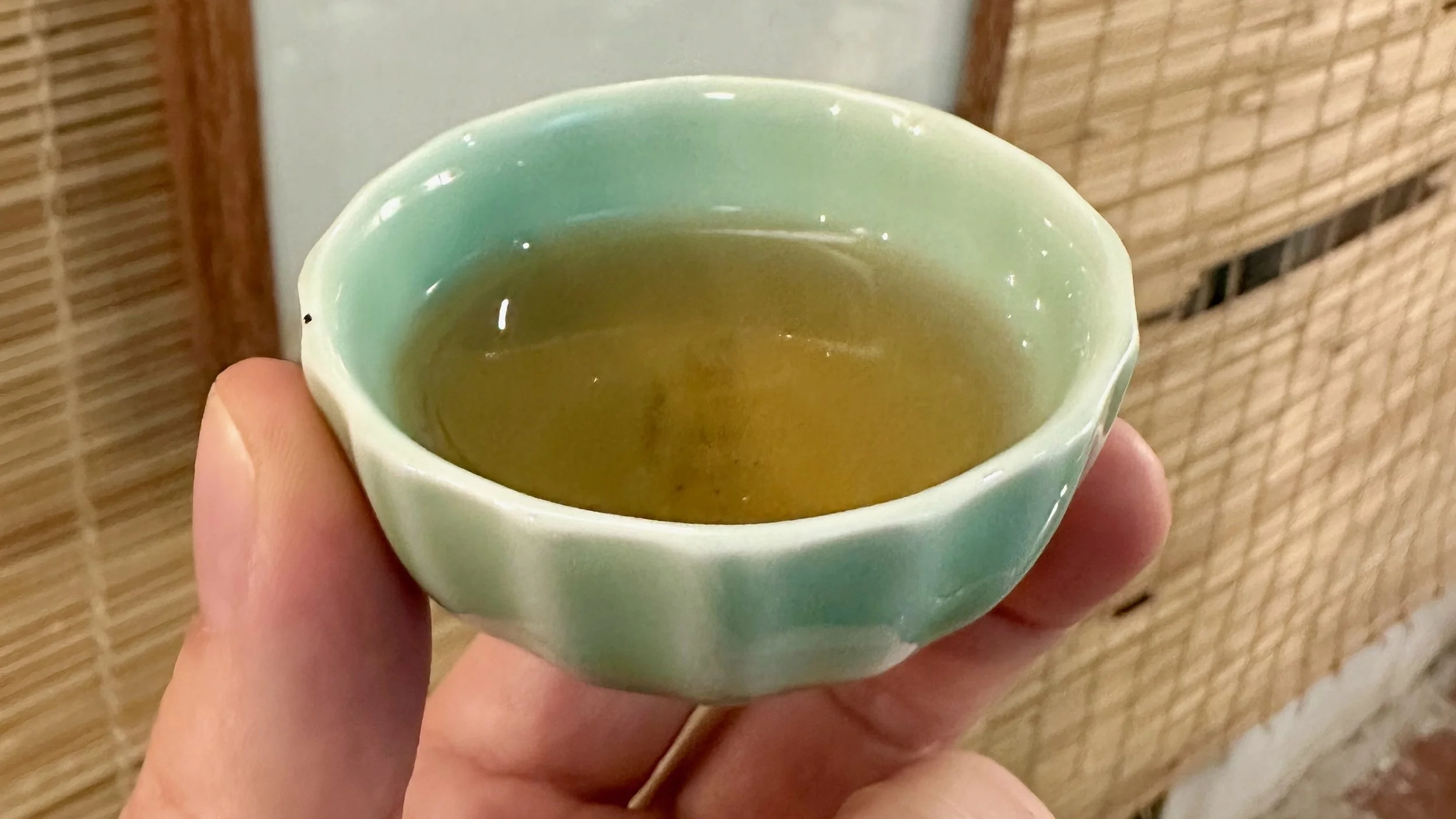
Chinese Green Tea in a Celadon Glazed Tea Cup
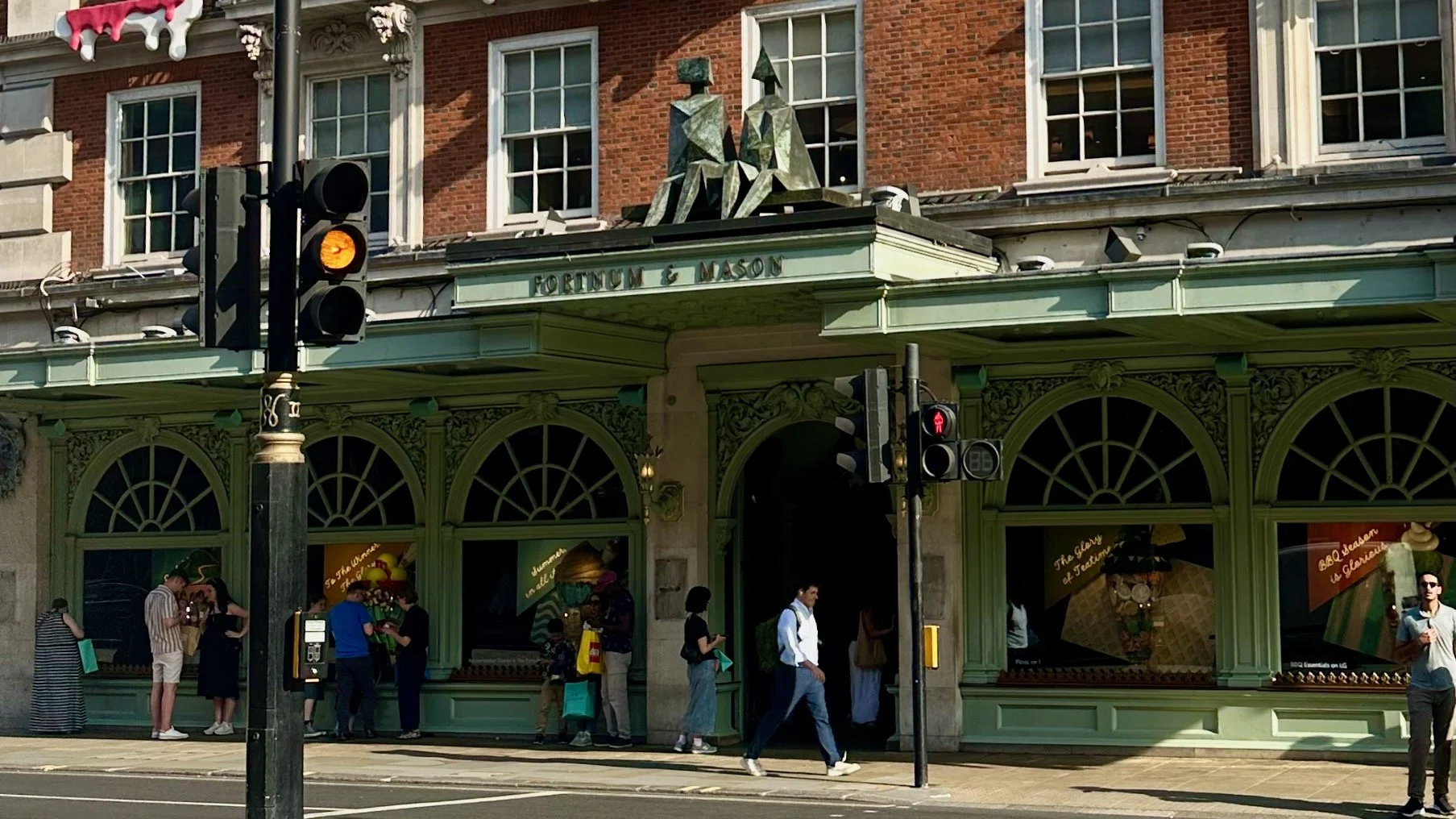
F&M’s Flagship Store and Original Building at Picadilly in London
Item No. 8 + 24
Hong Kong, China + London, UK
The ties between England and Hong Kong extend beyond the colonial occupation of Hong Kong that began in 1841. The British East India Company would set sail to India, collect Opium and sell the Opium in exchange for Tea. The chinese tea was exported to England where royaly could enjoy this exotic beverage. The tea trade was big business and required the most innovatively built ships for its time. The ships were required to be faster than the normal ships because the fresher the tea was the more premium and therefore pricey it was. As you’ll see in the last object on this page, the Tea and the Porcelain had a very close relationship with one another. They were dependent upon each other to ensure expedient delivery and tastefully civilized service.
In China, and Hong Kong Tea is a very valuable commodity. A ceremonial service is offered as a luxurious part of any upscale dinner service. In Hong Kong, it is mixed with condensed milk to create a British infused practice to create the famous Hong Kong Milk Tea.
Tea became a fortune and power maker, the East India Company shipped tea from India and China to the Netherlands and England. Two companies that are today considered England’s most prominent brands, Fortnum & Mason and Twinnings, were both founded in these early years. Both were innovators in creating special blends of tea that have become standard flavors to our pallettes. Twinnings created Earl Grey for the Prime Minister Charles Grey II, and Fortnum & Mason created the Royal Blend for King Edward VII.
Two small tins of tea wait for tastebuds. One comes from Hong Kong, the other is the Royal Blend. When you try them, you can taste History.
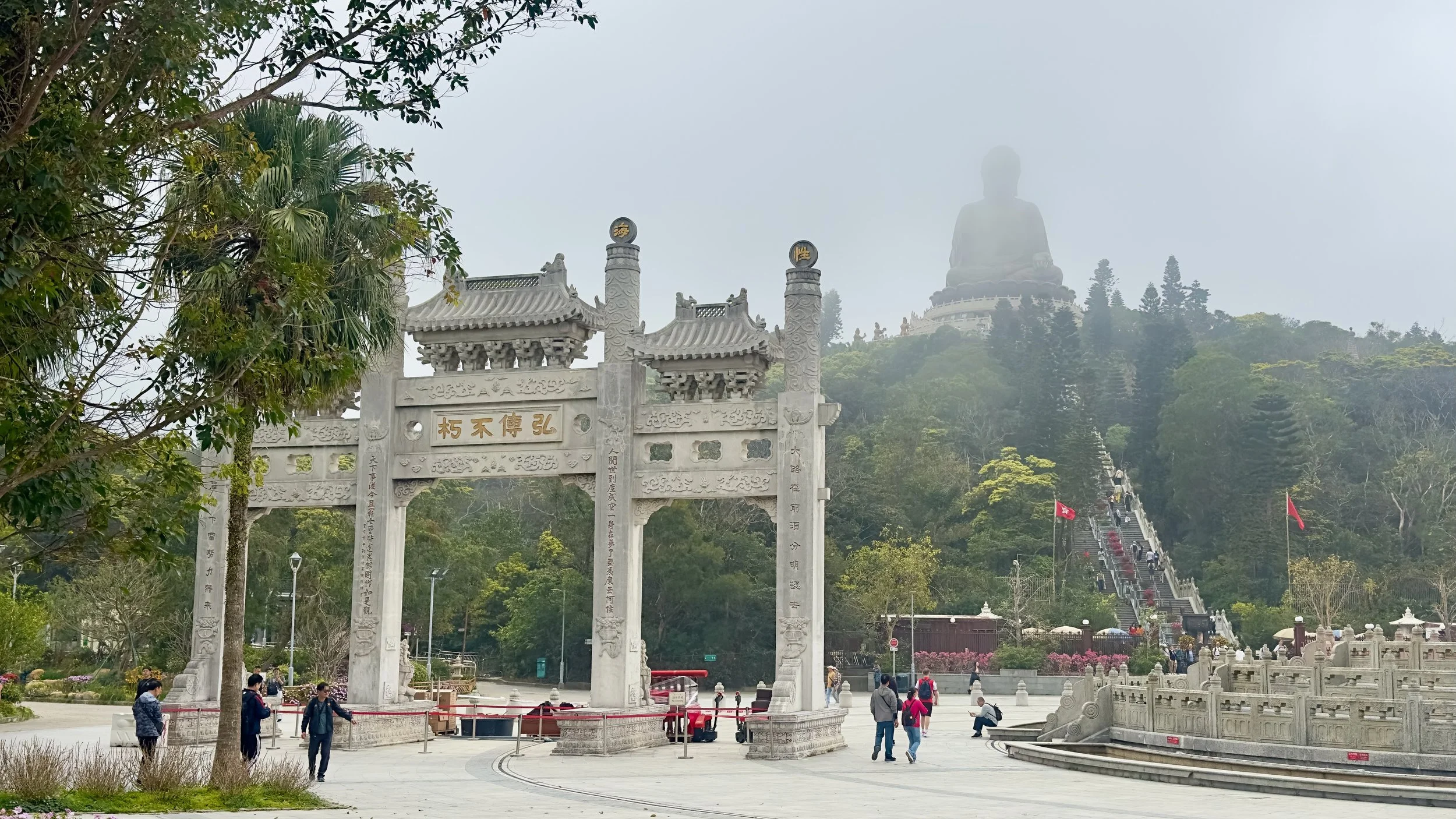
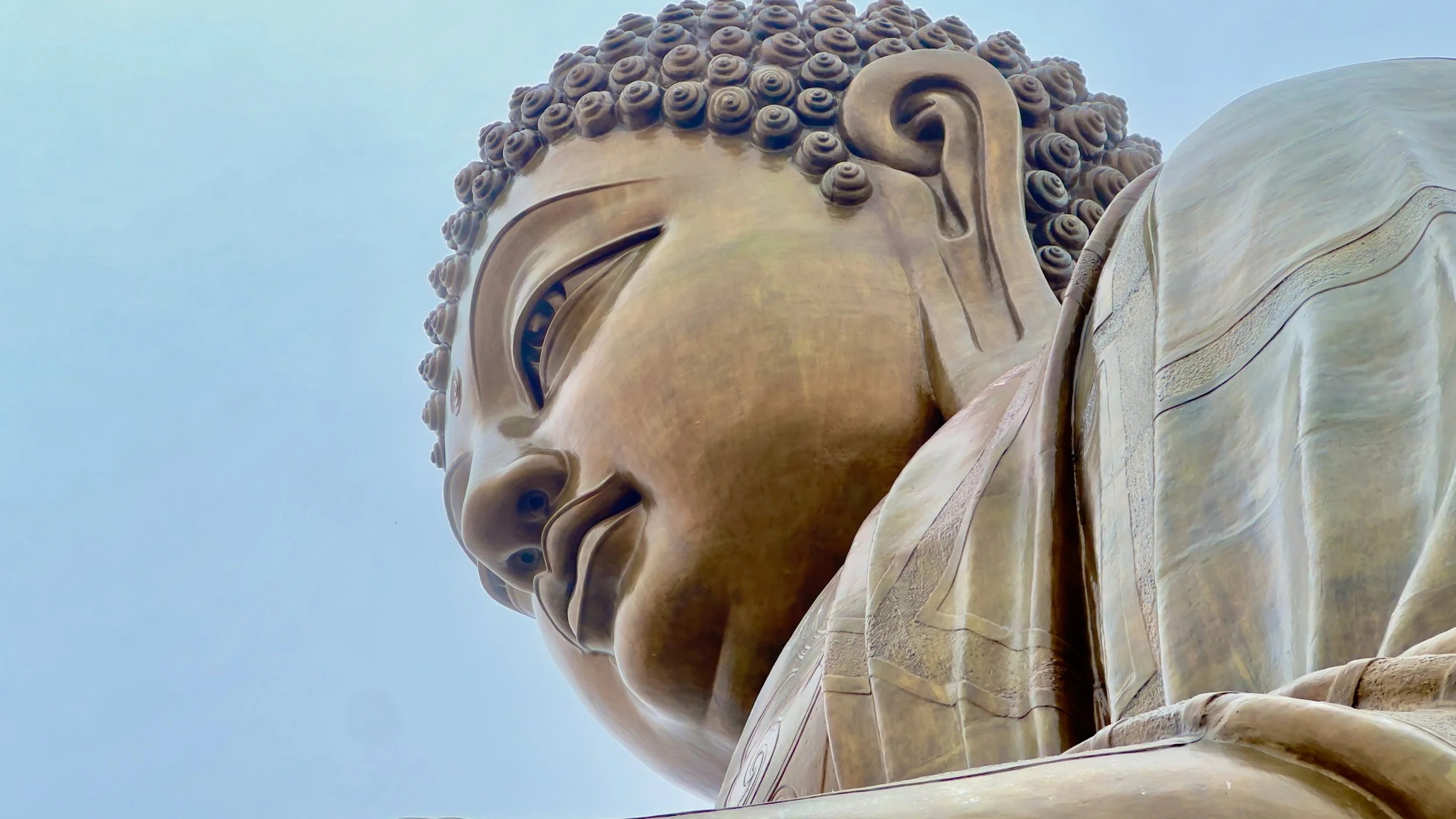
Item No. 10
Lantau Island, Hong Kong
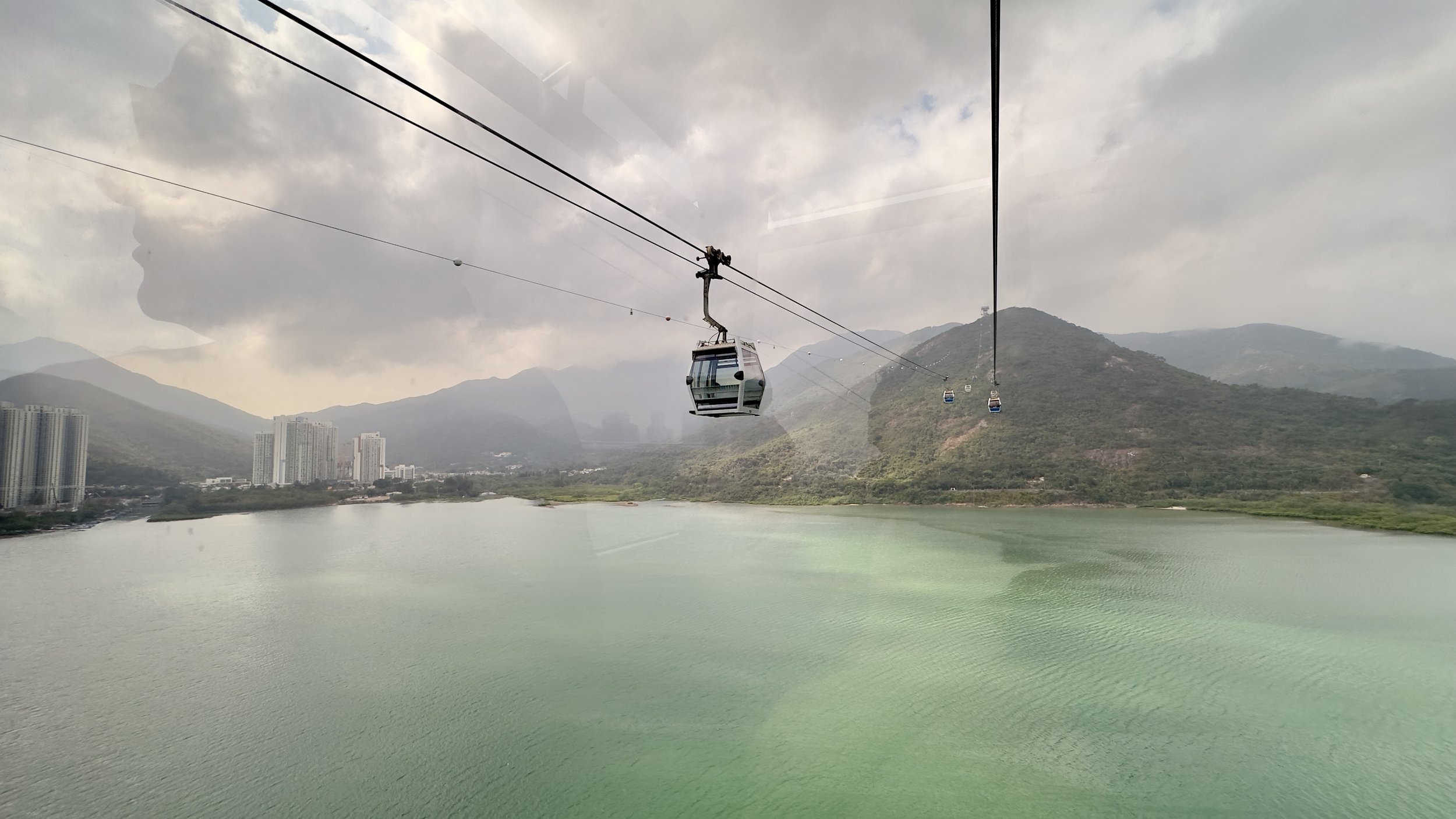
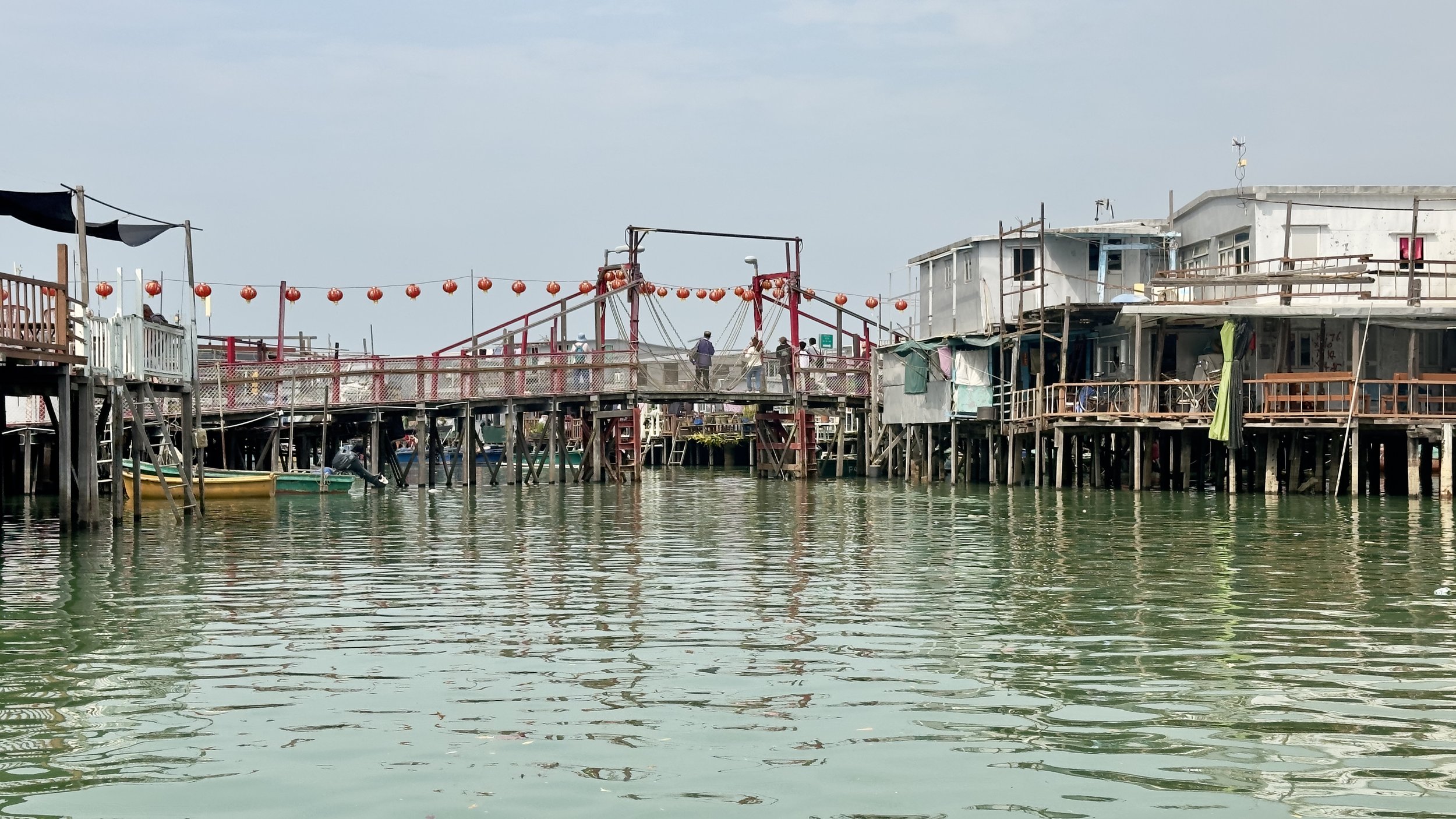
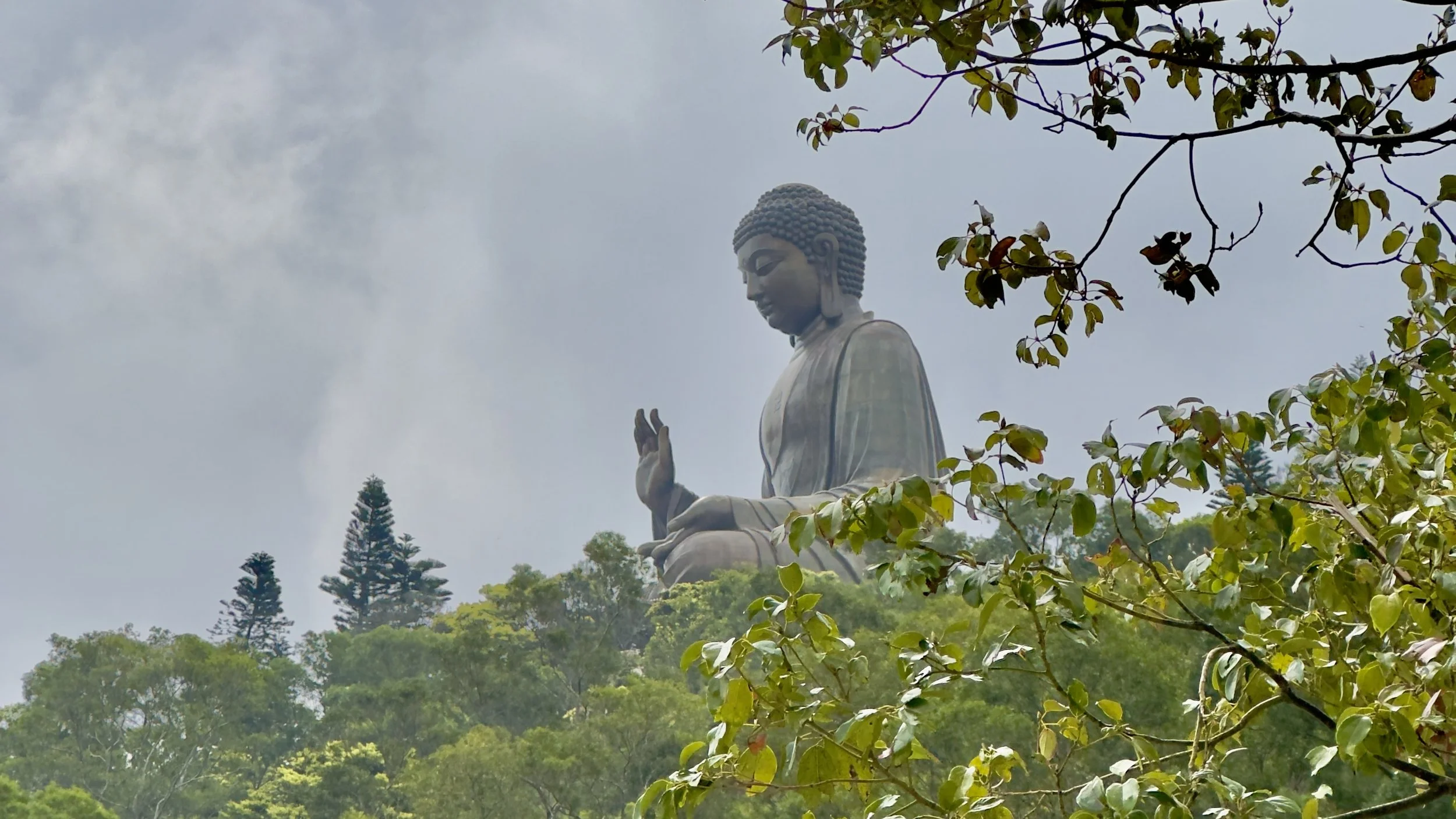
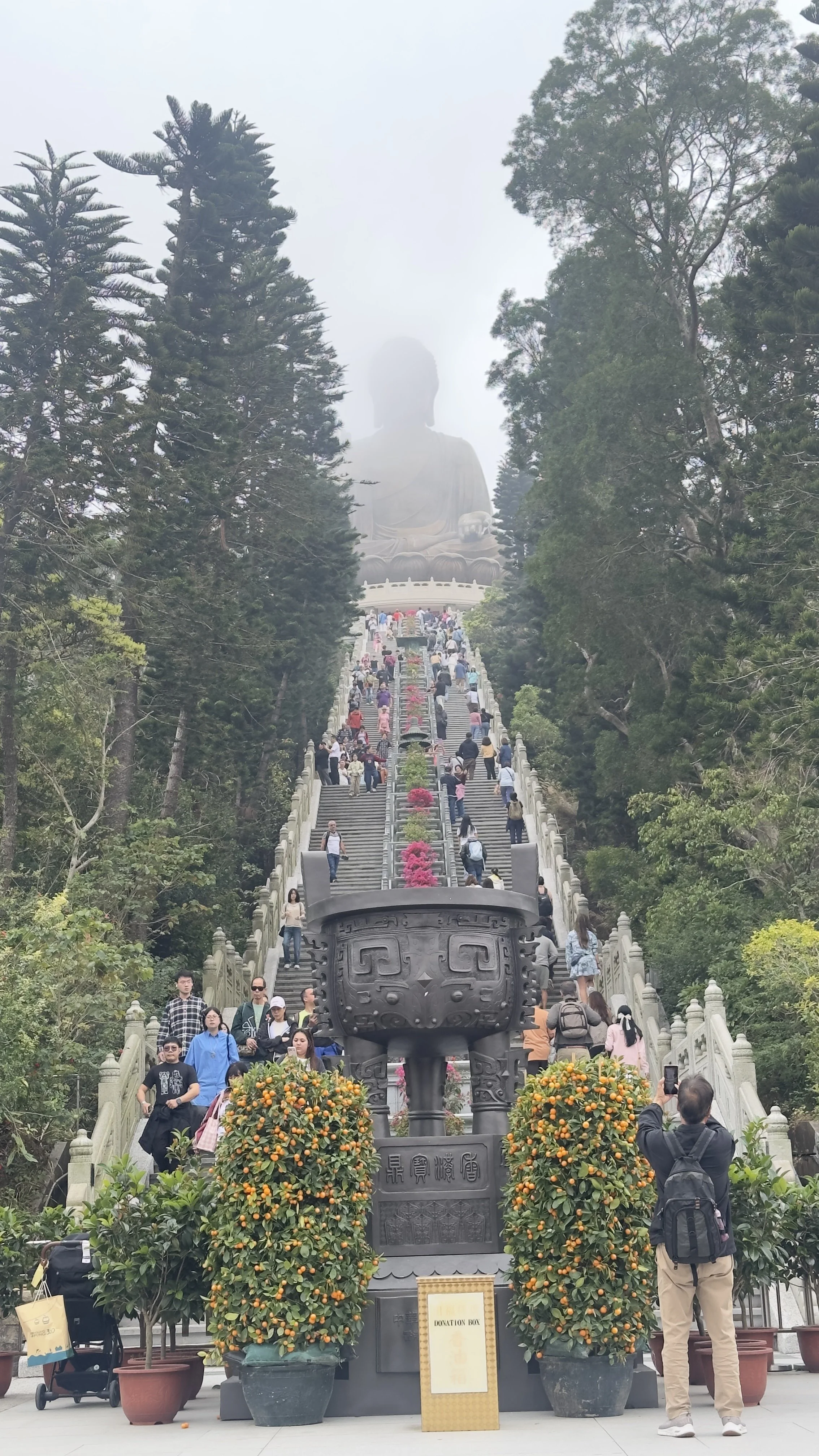
One of the most spectacular journeys to take in Hong Kong is riding one of the world’s longest stretch of a suspended cable car ride. Once you traverse the mountainous terrain of Lantau Island, you arrive at a vista of a small village, Ngong Ping which is overlooked by an enormous Buddha.
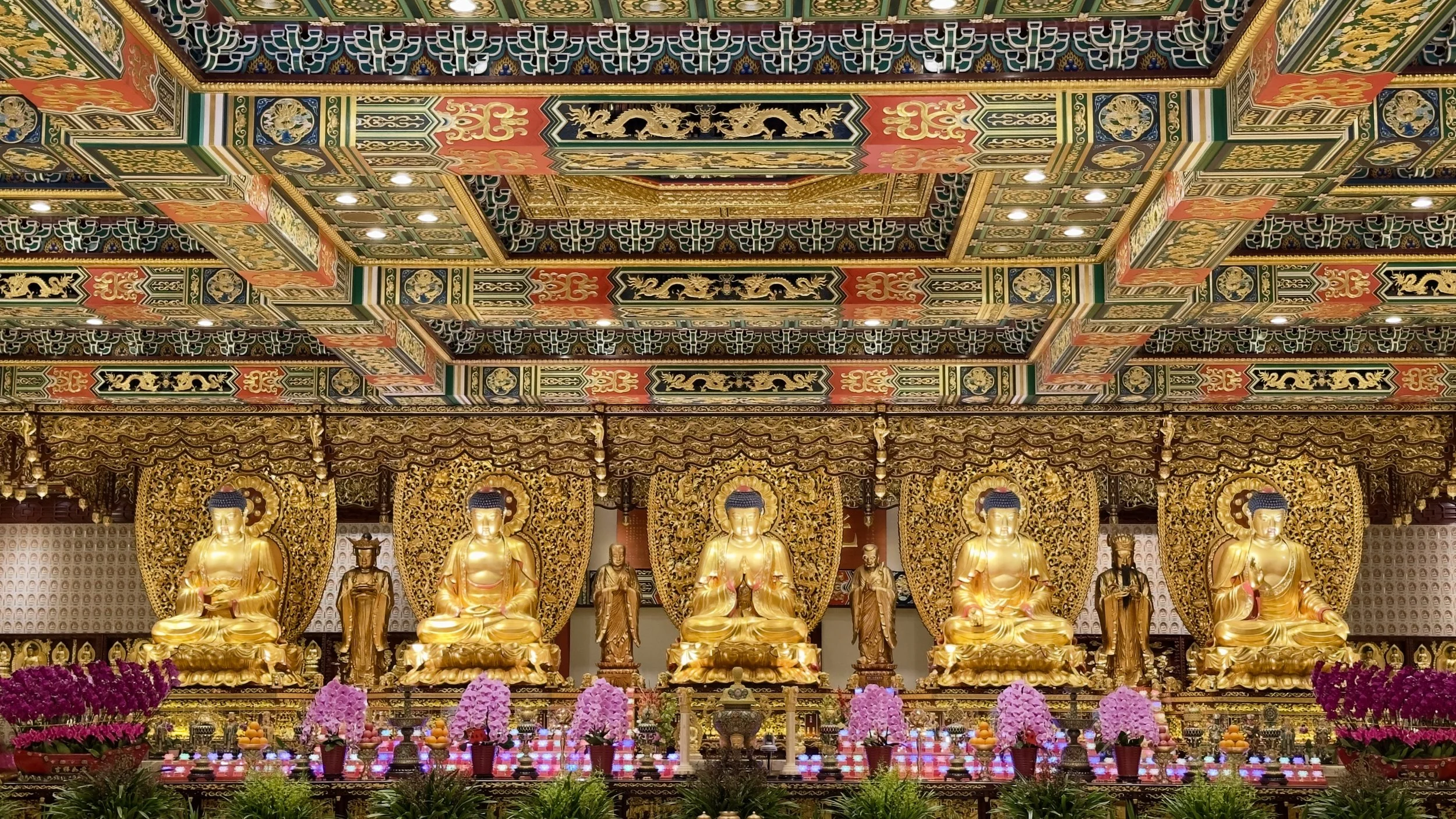
This Buddha is known as the Tian Tan Buddha, Completed in 1993 (no, its not ancient or even old) stands atop 268 steps. The buddha itself is over 110 feet high. Inside the Buddha is a relic that they claim is a chip of the real Buddha’s actual bone, making this a pilgrimage site for devout Buddhists and Tourists alike. I climbed the staircase in the intense humidity and heat, I was beyond relieved to enter the Buddha and be greeted by a blast of air conditioning. The bronze buddha has a suble patina and is absolutely impressive in scale. It is one of the world’s largest Buddhas - I have have also visited the Todaiji Daibutsu Buddha in Nara Japan (but this one sits inside a temple - if I remember correctly it is the largest indoor Buddha?). These statues are impressive.
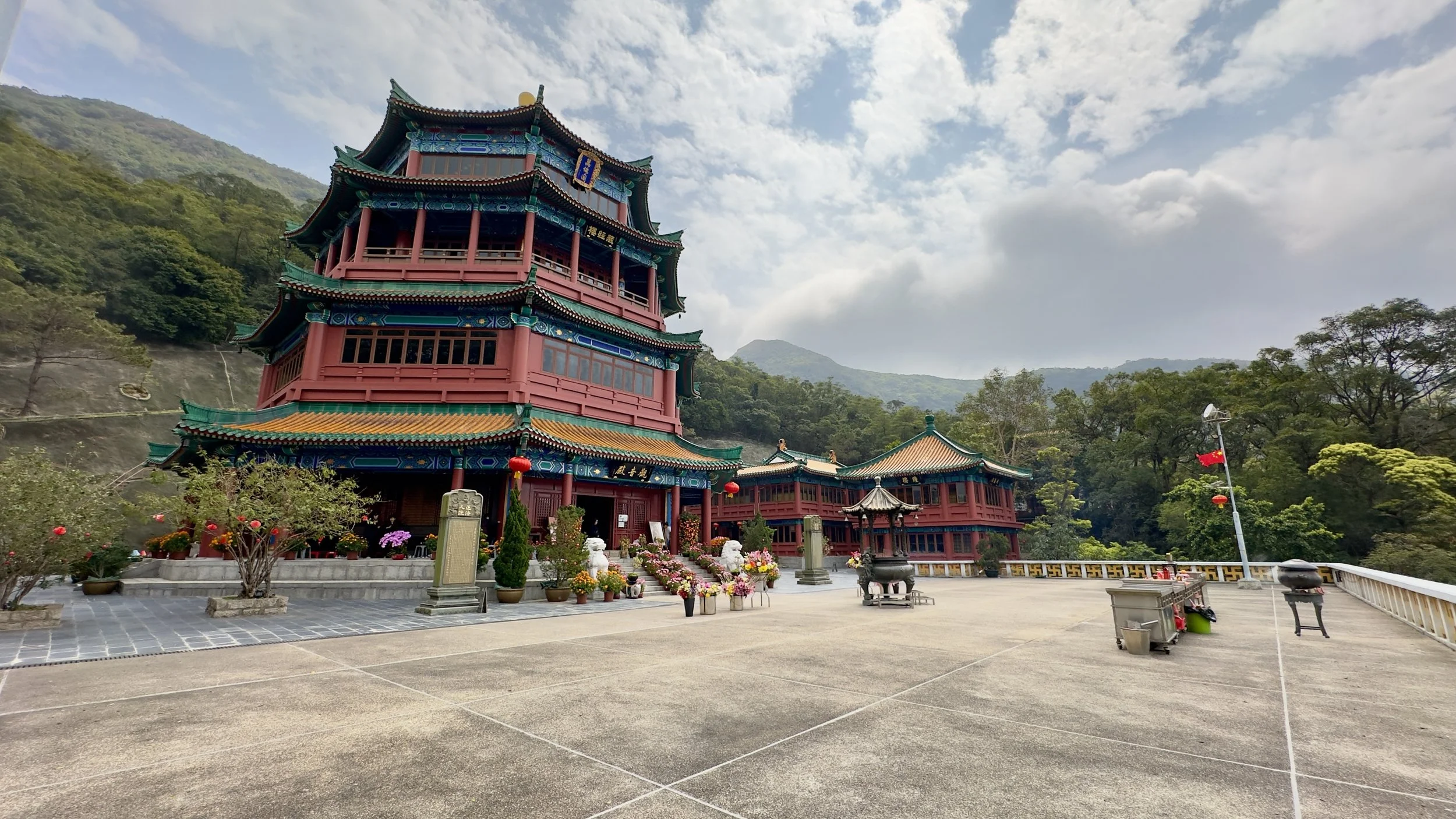
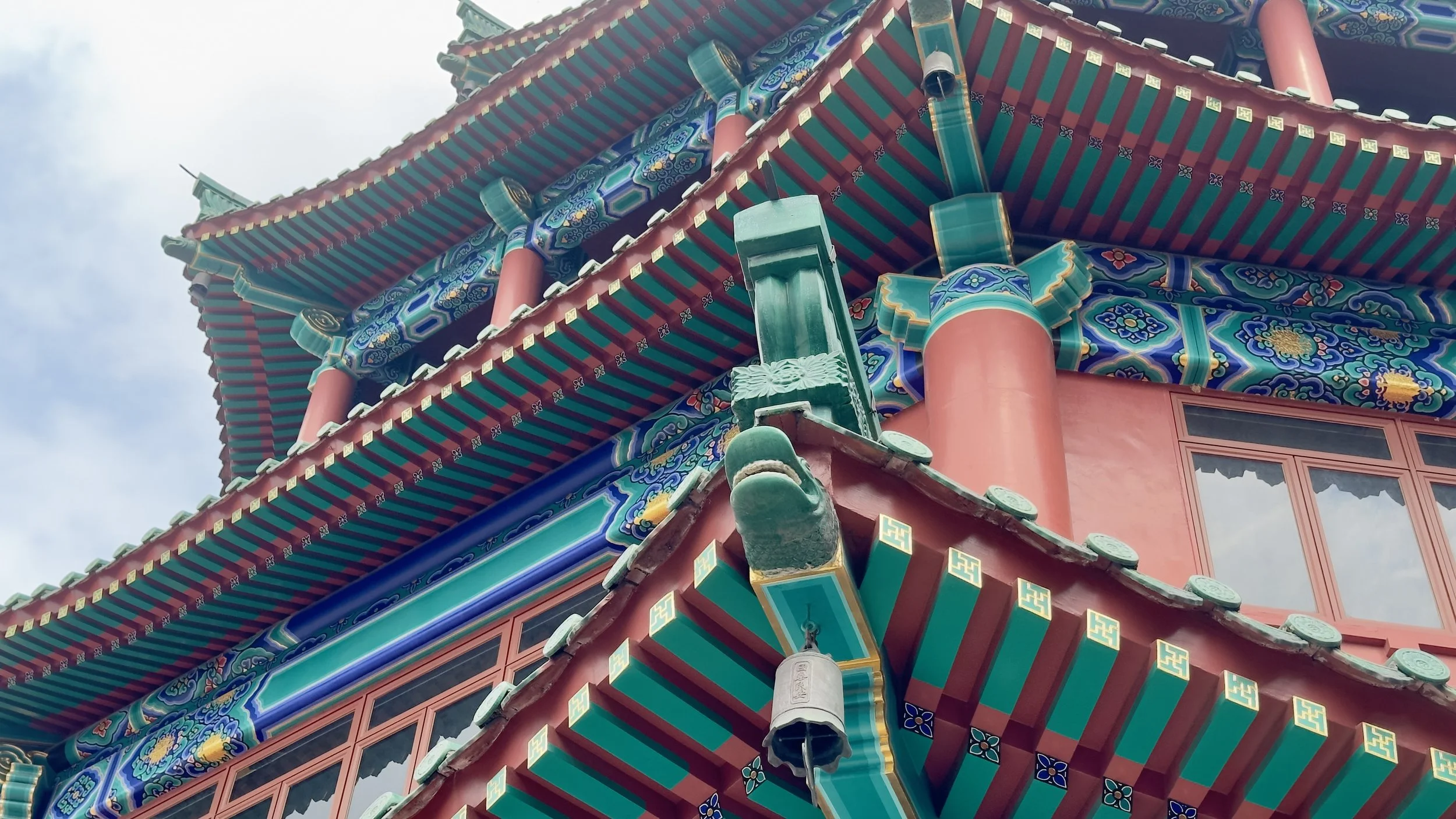
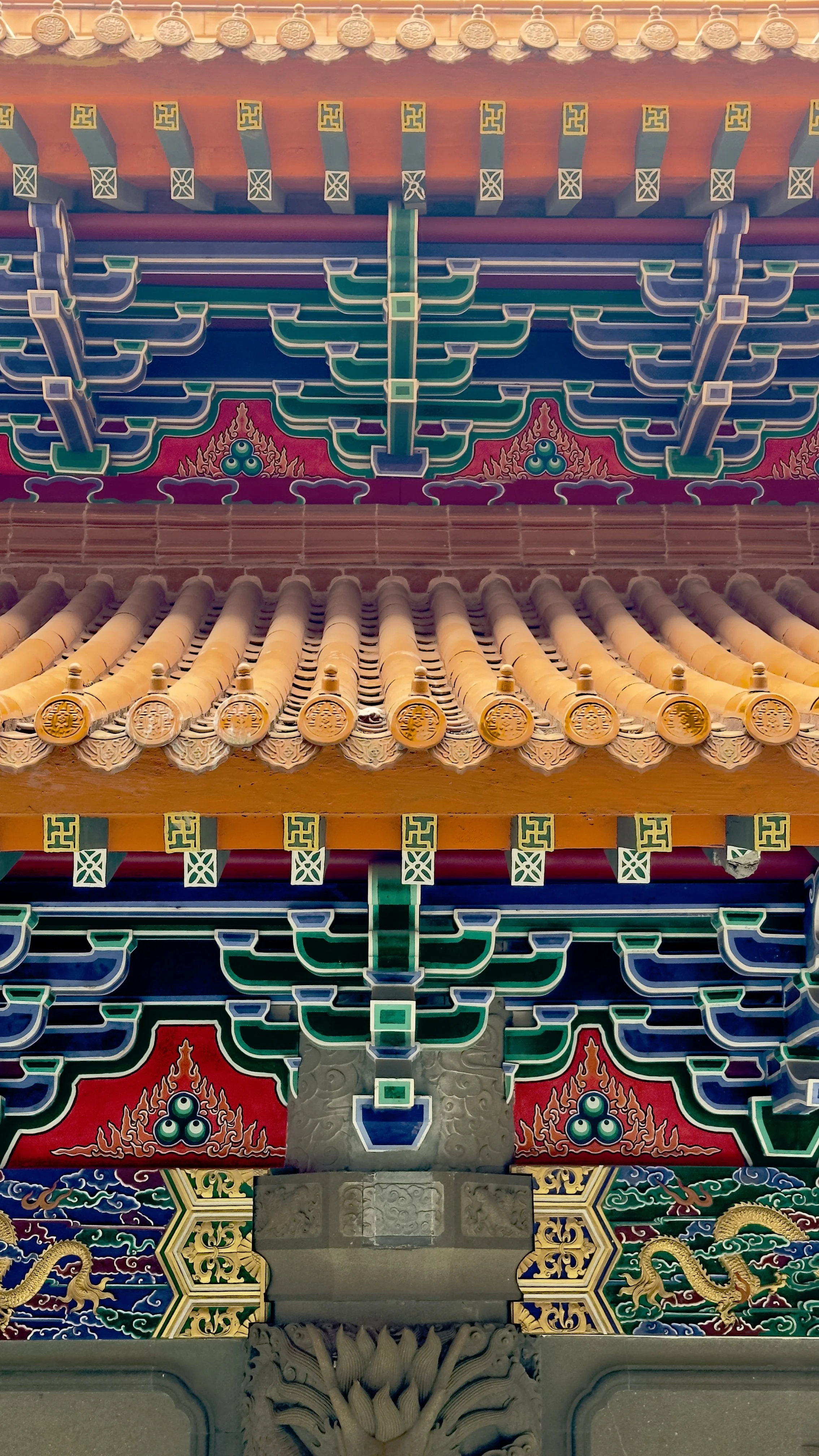
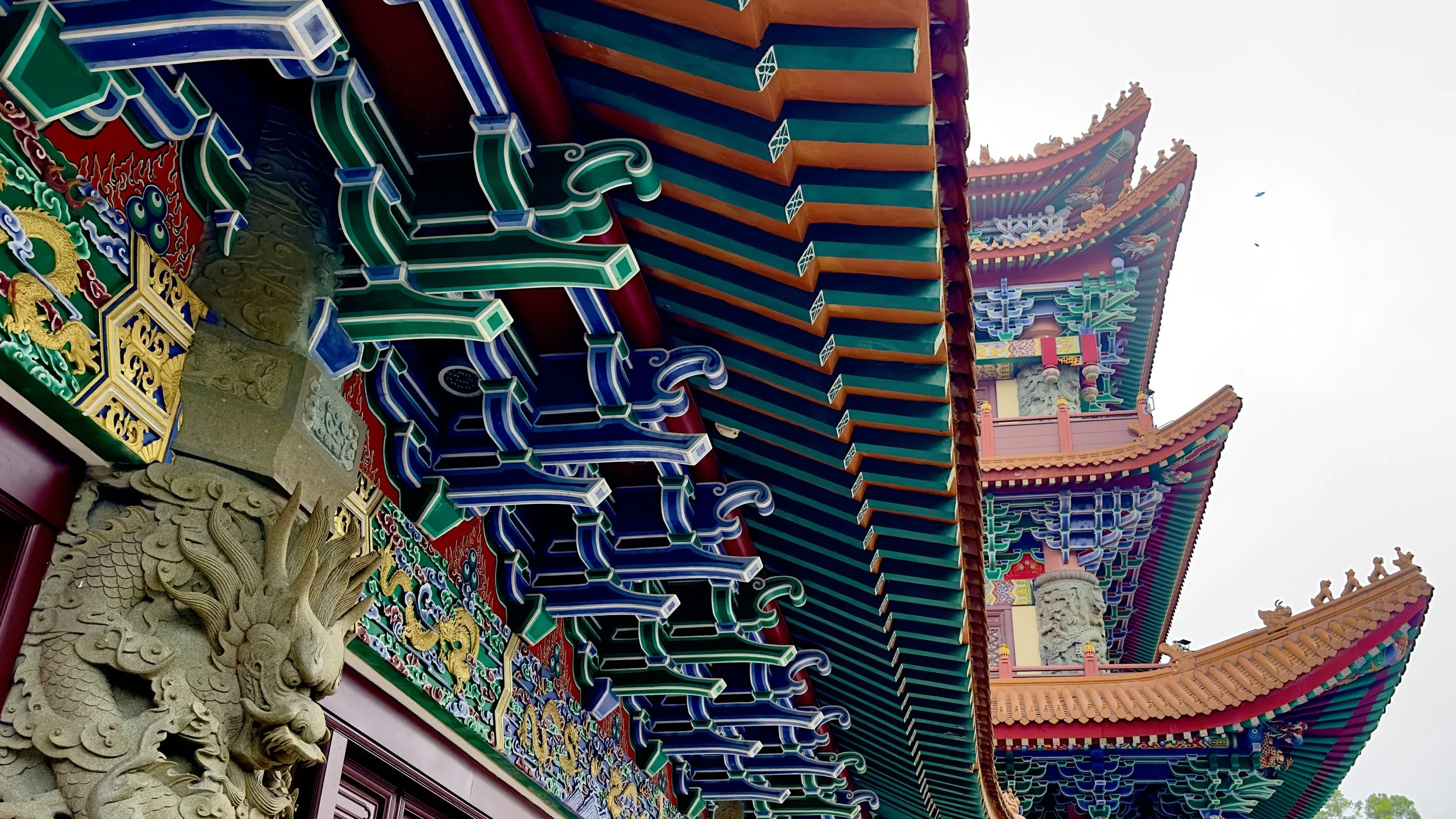
There are some absolutely gorgeous temples located directly adjacent to the stone gateway - I will have to send you some photos of these buildings. Absolutely colorfully breathtaking.
In your package, you’ll find a small silver buddha. This is a miniature replica of Tian Tan and is made out of Silver to express its preciousness. I bought it at the base of the staircase in a small shop that uses the proceeds to maintain the buddha.
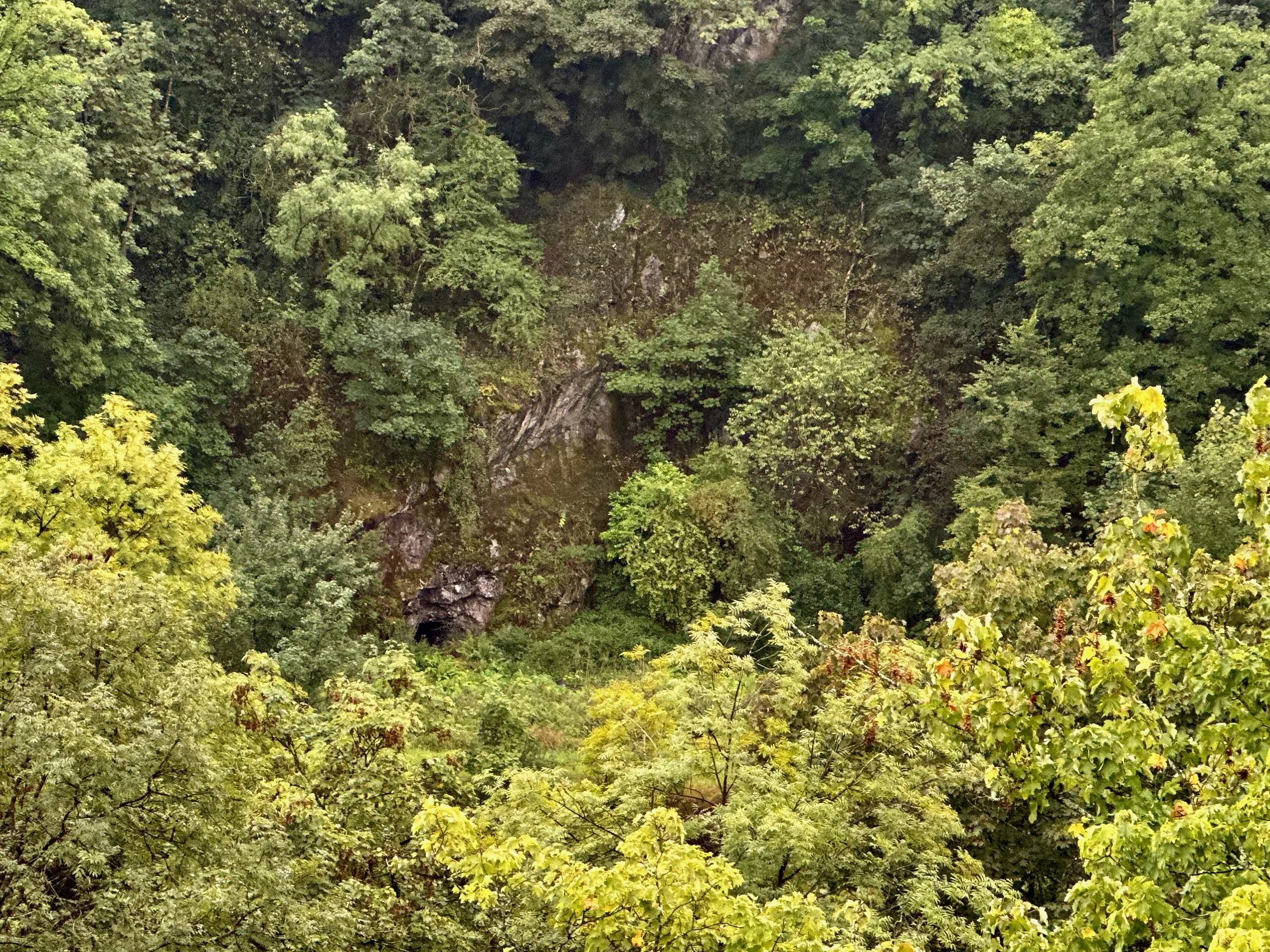
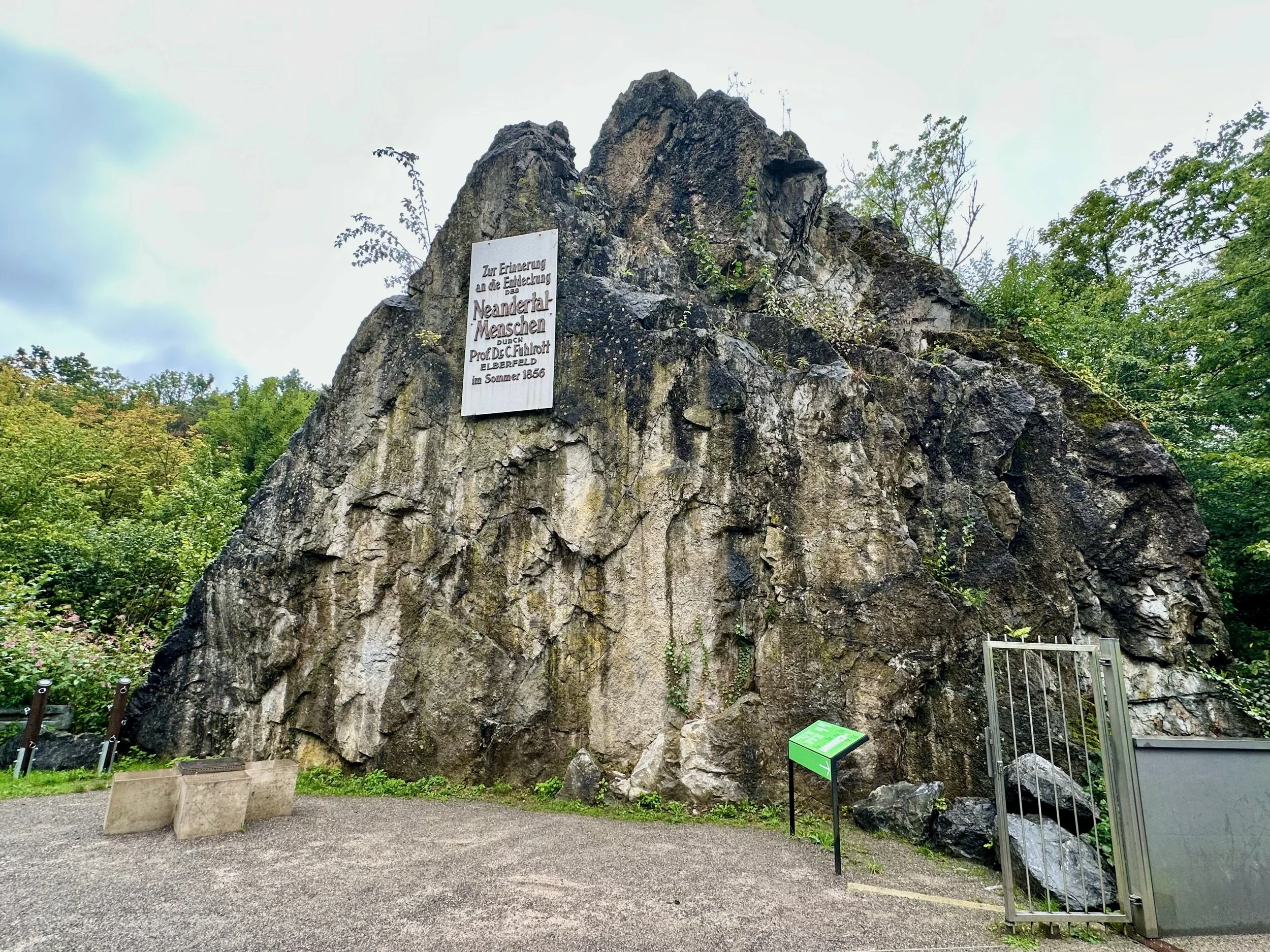
Item No. 11
Neanderthal, Germany
The name of this valley, Neanderthal might sound familiar to you, and there is good reason for that. In 1856 a mine in a quarry was discovered to have the skeletal remains of an early hominid. Years later, after the discovery of many more similar skeletons did they realize they had discovered a new hominid species and was named after the valley where the first skeleton was found, Neanderthal.
After the cave where they found the skeletons was surveyed, the land was used as a limestone quarry. Layer by layer they removed hundreds of feet of limestone from the landscape. The cave no longer exists, but that specific spot now hangs about 200 feet in the air above ground. You can visit that spot by climbing up a tower of stairs and ramps, at the uppermost platform a skeleton is displayed in the location and position it was found. Archeologists have determined the site to be a burial site of a high status member of the clan.
While many jokes are made about Neanderthals as being unintelligent “cave men”, archeologists have found they were just as advanced in their culture, religion and social order as humans. In fact, they walked, lived, and had families with homo sapiens (modern humans). It is even estimated that about 1-3% of our own DNA is Neanderthal.
There is a small chip of Flint in a round plastic box. These chips were striken off of a larger piece of Flint during the crafting of a flint spear tip and were found in this region of Neanderthal. These are found frequently near site of Neolithic settlements.
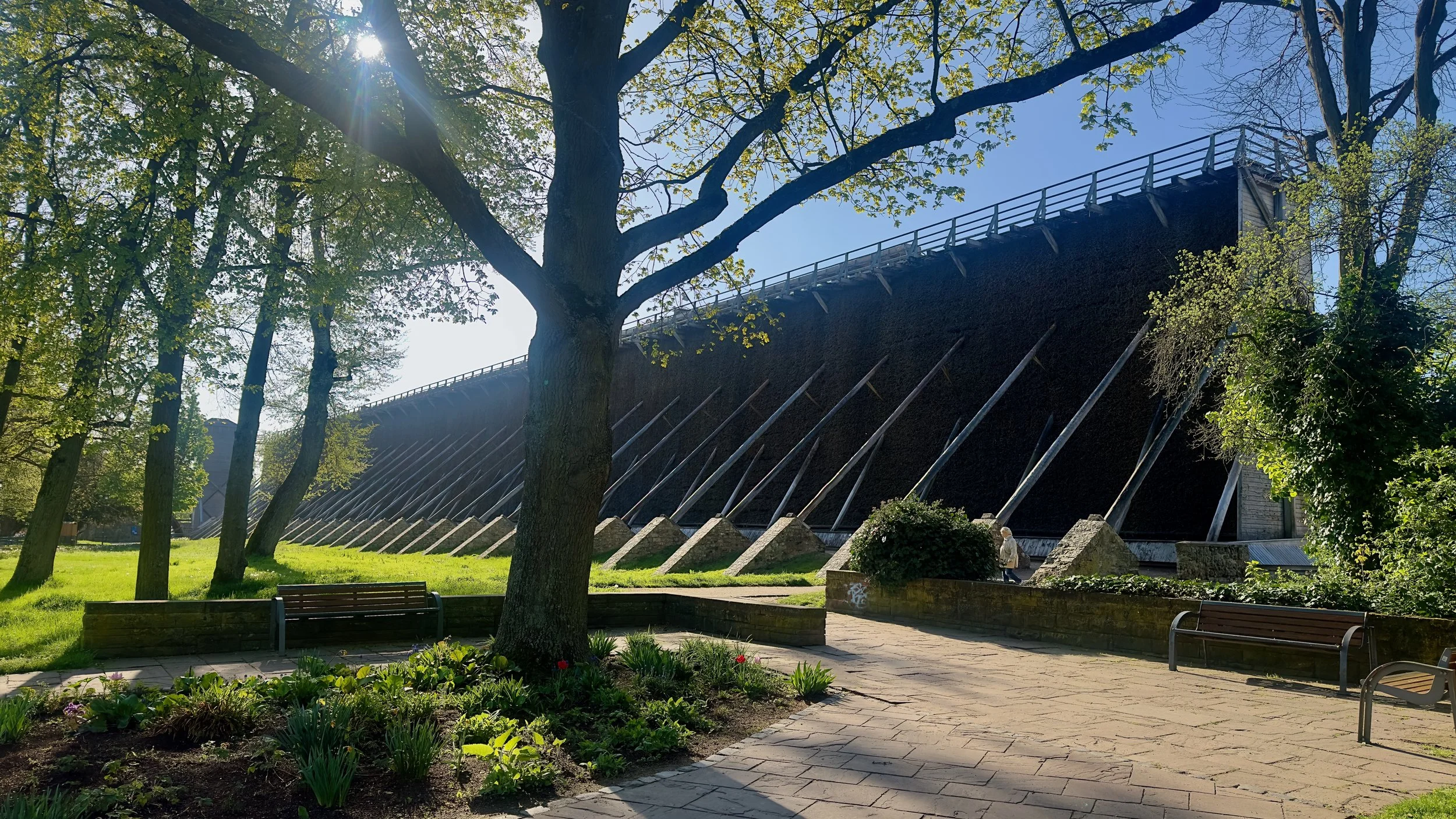
Item No. 12
Bad Nauheim, Germany
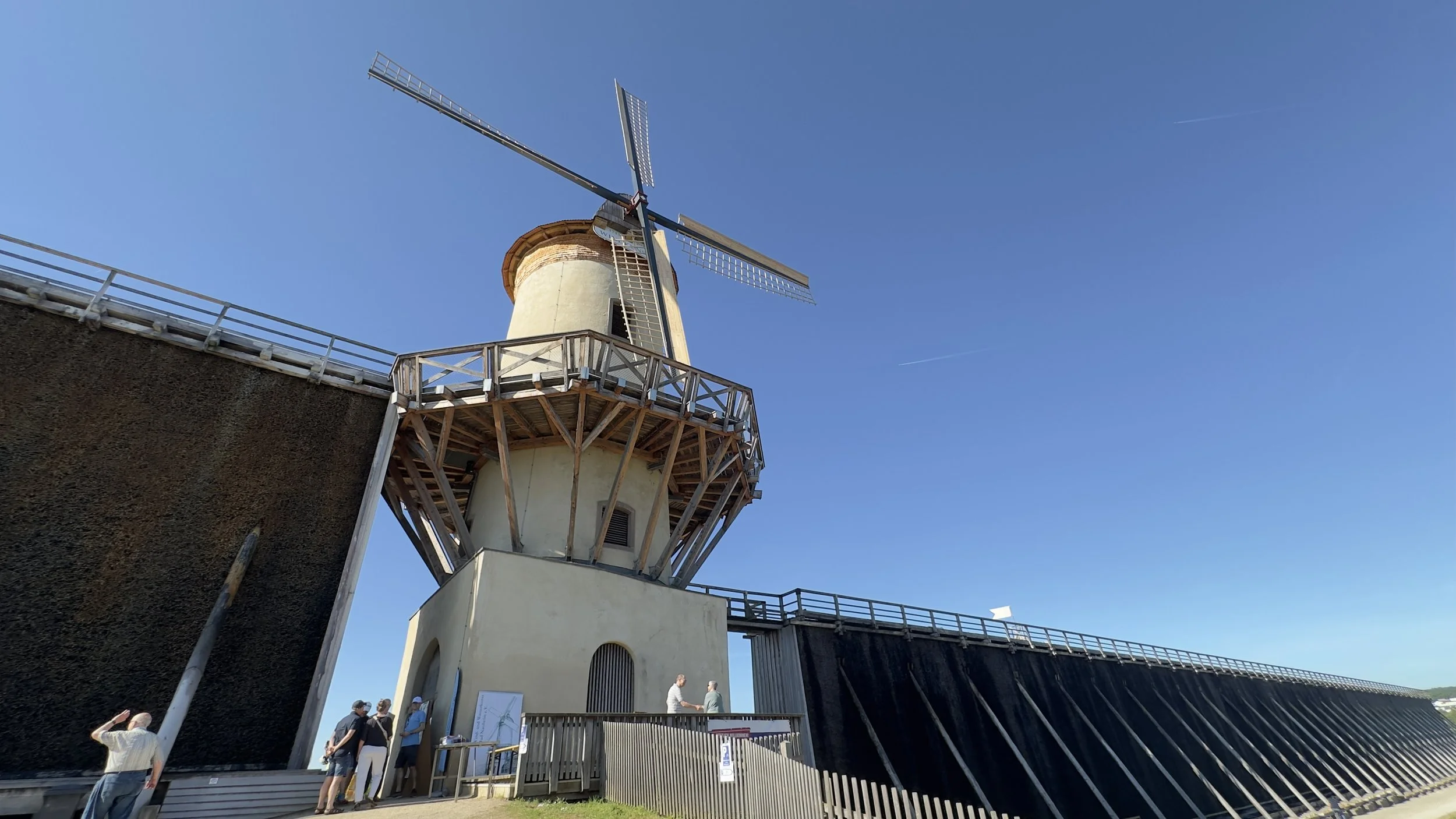
You previously recieved Salt from the Royal Salt Works in France. The french would pump in saline from the mountains and boil the salt rich water to obtain salt. Salt has been an indespensible necessity for our survival. It helps us preserve food that would otherwise go bad without refrigeration. In Germany, the need for salt was also I vital good. The Celtic tribes that once lived in Germany discovered that some of the springs produced salty water. In what is known as Bad Nauheim, a town about 30 minutes north of Frankfurt, the Celtic people established a settlement to take advantage of this resource. Centuries later in the late 1600’s Industrious individuals began to construct giant structures to extract salt from the same water.
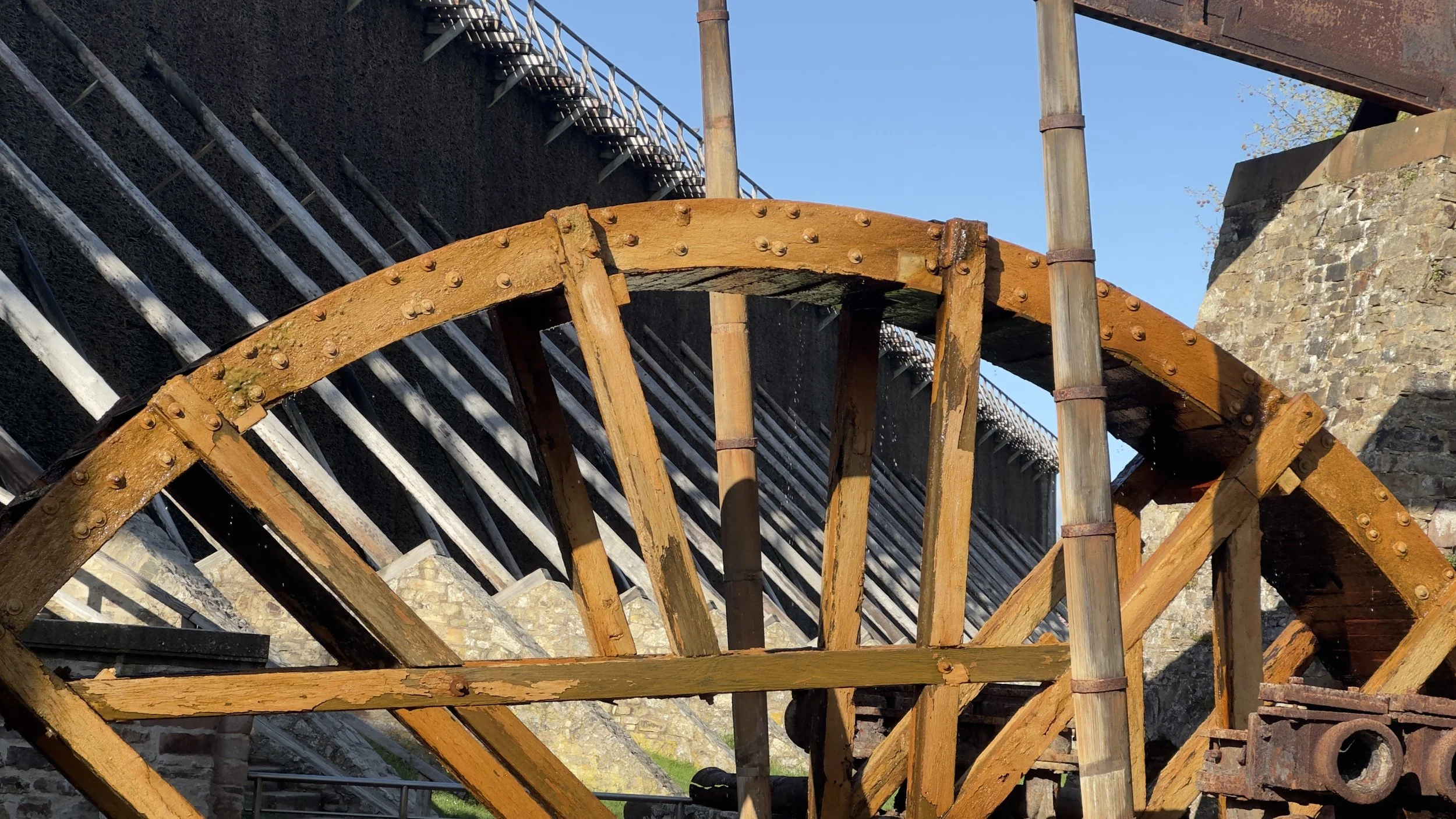
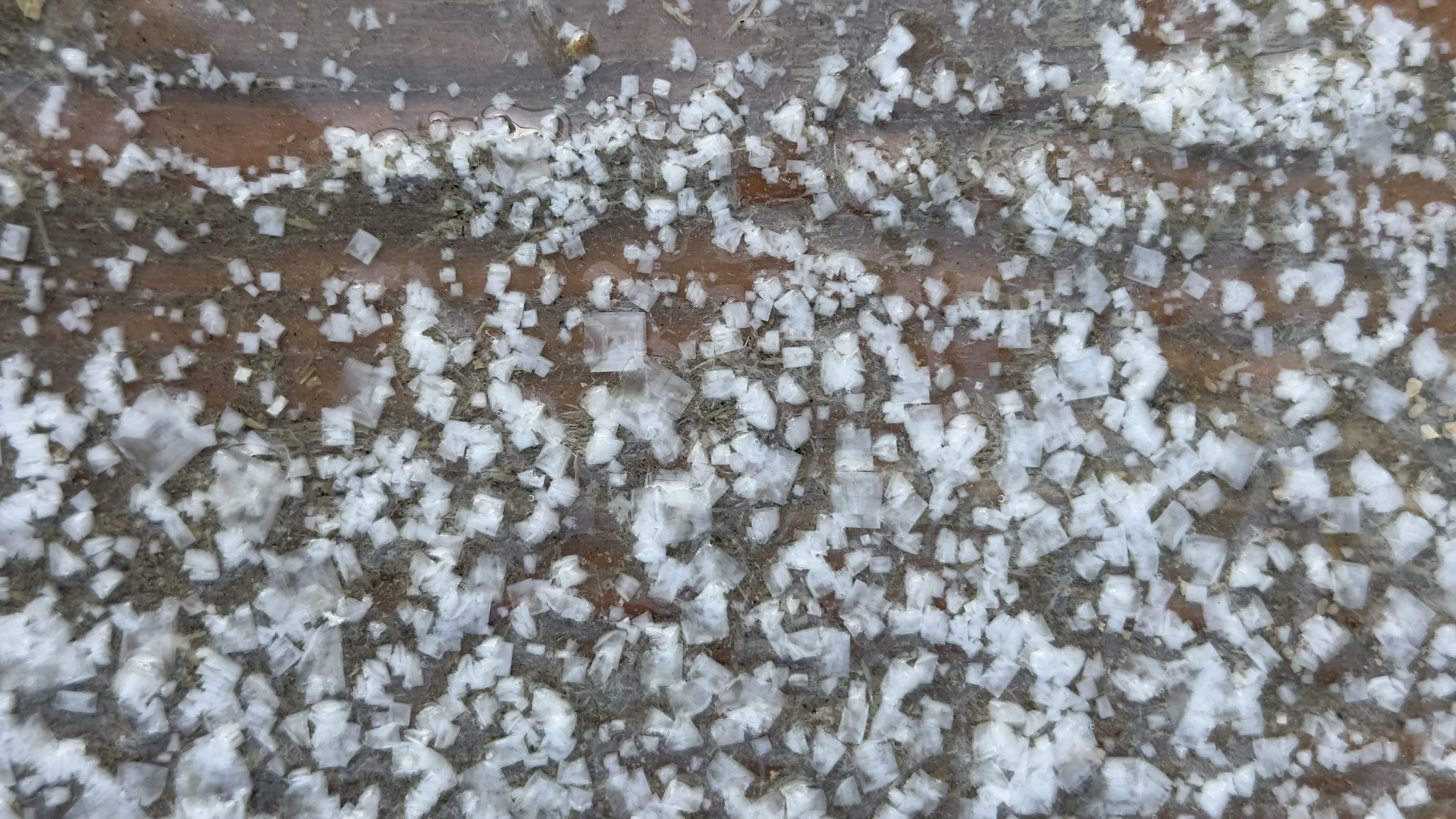
A giant complex was built of towering walls made of Wood and branches. At one time there were more than 40 of these towering walls in this town. Between them were other elements of infrastructure that boggle the mind. Giant water wheels powered by gentle streams, attached to a pump line made of tree trunks jointed together, slowly pendulating with the rhythm of the water wheel stretching well over 1.5 kilometers to the source of Saline. (This was before electricity was discovered) These systems would feed the Gradierbauten by continuously moving water to a trough atop the walls and allowing the saline to trickle down. As the saline cascaded down the rough surface of cut branches, the water would evaporate leaving deposits of unwanted iron and magnesium, and increasing the salinity of the saline. As the saline continued to evaporate, the salt would be harvested.
Today, we obtain our salt mostly by mining or by harvesting the salt from the ocean. Most of the Graudierbauten have been demolished, yet a few remain dotted across germany in towns designated with “bad” which have become spa towns for enriching health. It is believed that the mineral rich mist that comes from the salination process offers health benefits. They also cool the air and are wonderful to sit next to on a hot day, however when you do this, you quickly realize that when you walk away, a crust of salt will have develped over your entire body.
In your package is a vial of the salt deposits that I collected from the Gradierbauten.
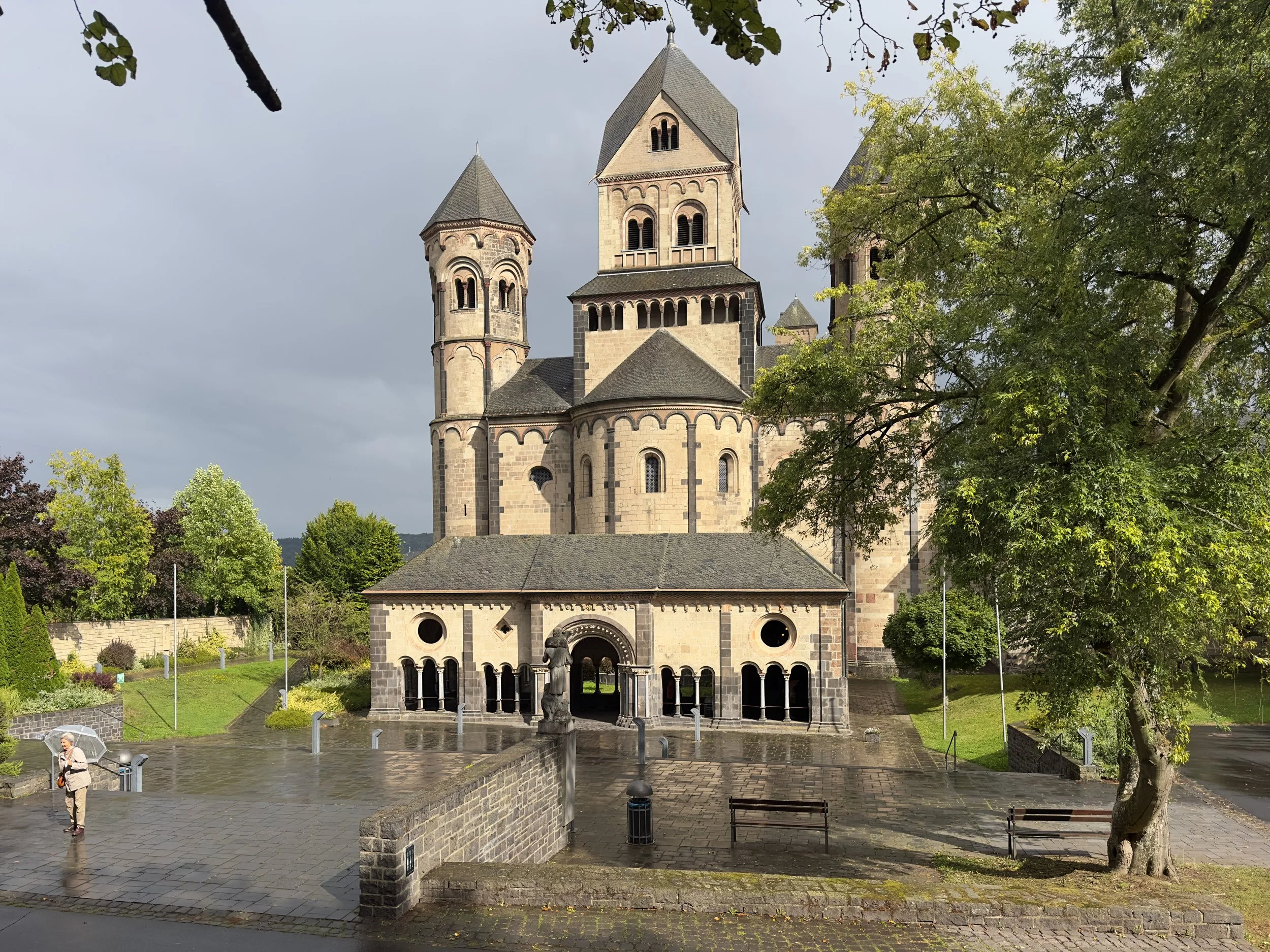
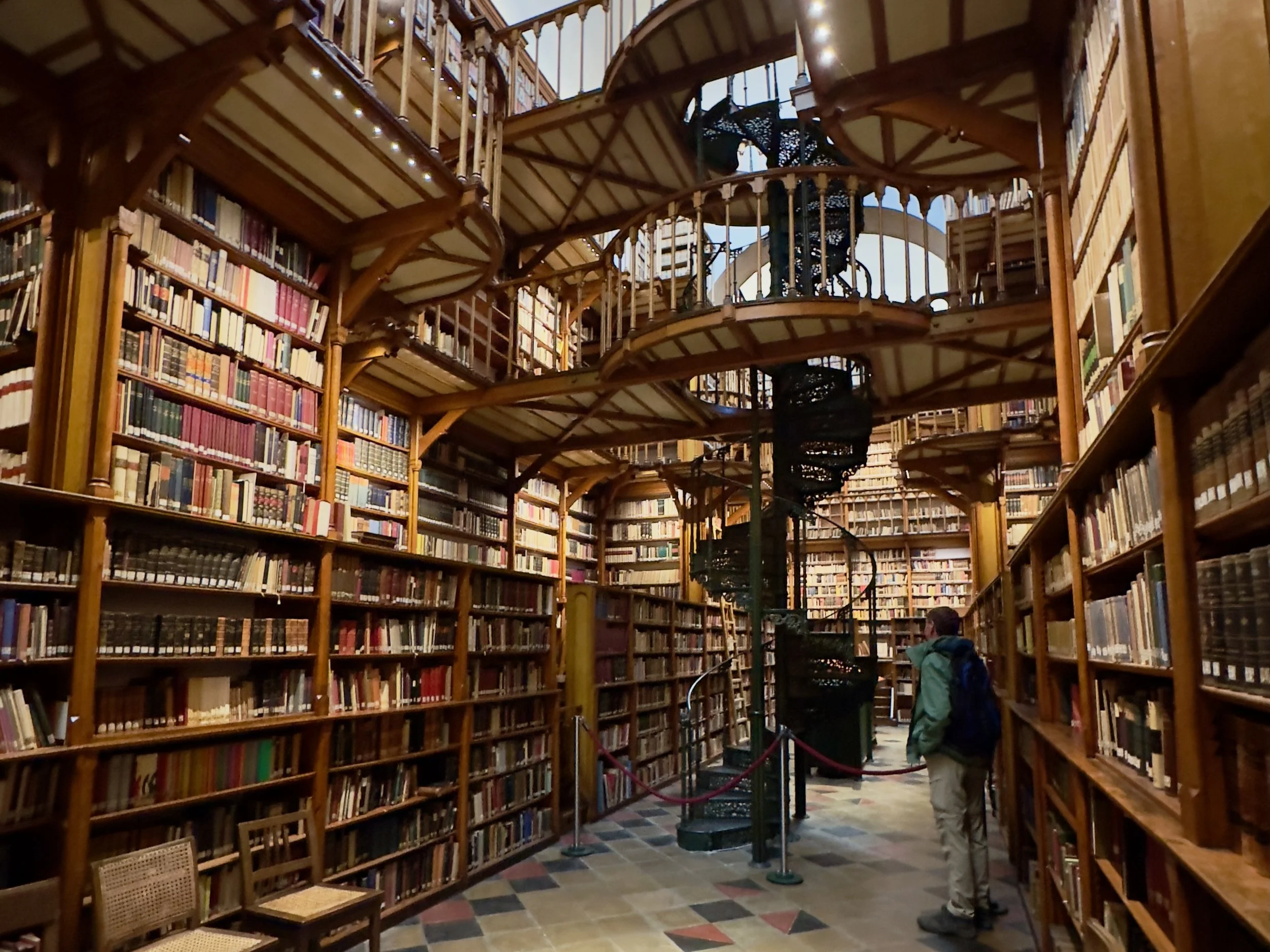
Item No. 13
Glees, Germany
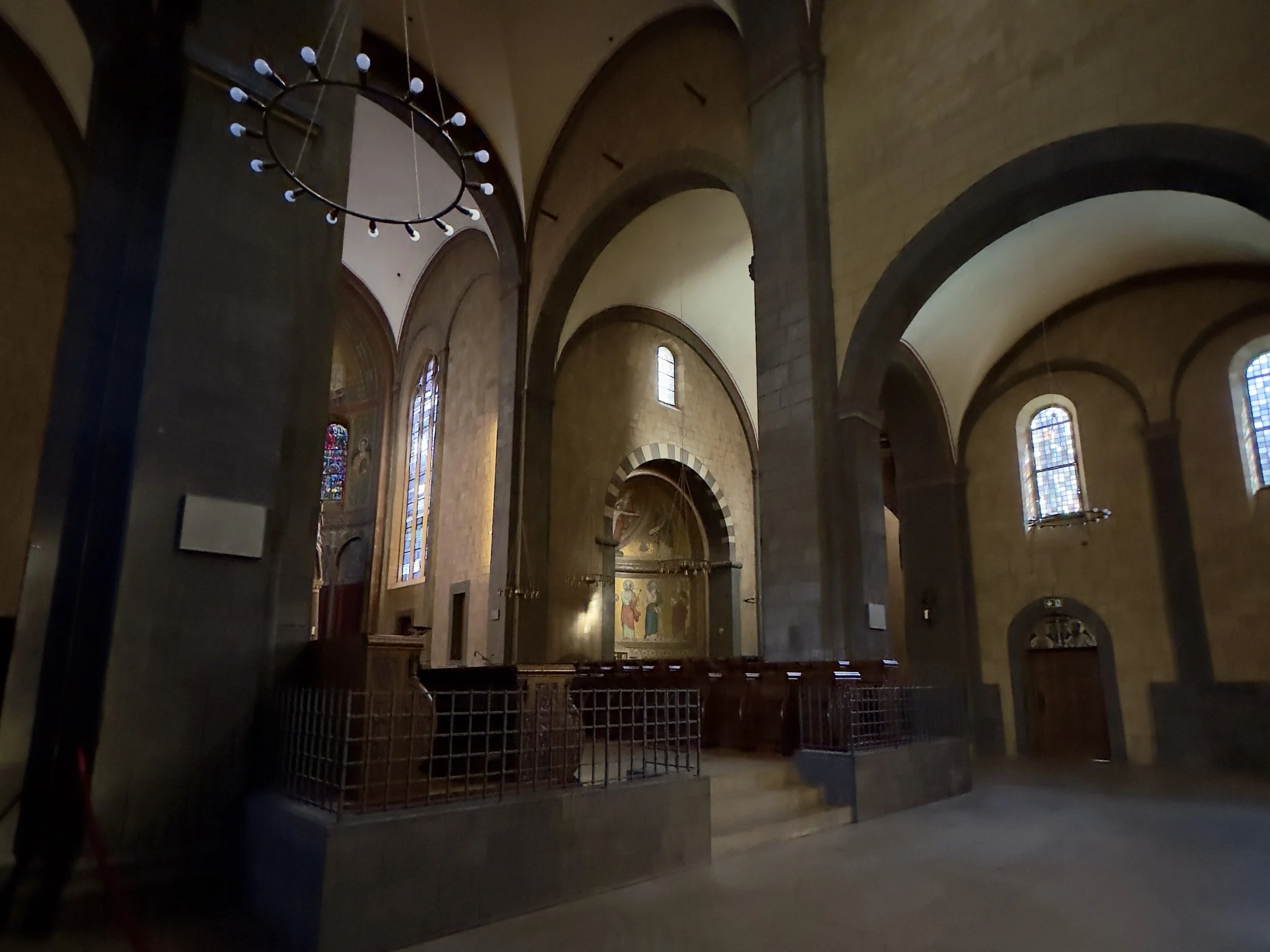
Situated on the shores of a lake in the crater of a dormant volcano stands a Benedictine abbey still in use today. This abbey, named after the Lake it is built near is called Maria Laach - Laach Lake. Here, a community of Monks are full time residents, they grow their own food, and make their own goods to sell in the gift shop, the Monks are not only religious scholars, they are artisans. You can tour the grounds with a monk and see some of the spaces like the incredibly intricate library (above) which looks like something from Harry Potter. The cathedral is one of Germany’s finest Romaneque examples of architecture.
But lets get back to that volcano… The Laacher Volcano last eruped 13,000 years ago. It is the only caldera in Europe to be filled with water, beneath the 150 foot deep lake is a magma chamber which geologists carefully monitor. Geologists believe there is a 10% chance that this volcano could erupt and have noted in the past few years a swarm of mini-earthquakes. Though they monitor geological activity daily, they do not believe there is any real volcanic threat.
The small matchbox with a picture of a labyrinth contains a bronze object with the passage "Vertraue deinem Weg, er führt dich zur Mitte" “Trust your path, it leads you to the center”. This meditation is wraped around the image of the Labyrinth at Chartes Cathedral, and similar to many medieval labyrinths that people have used to focus on a mediation or a prayer. Perhaps you might find some in Europe? This round object is a small reassurance to trust yourself when you face difficult times, or big changes in your life.
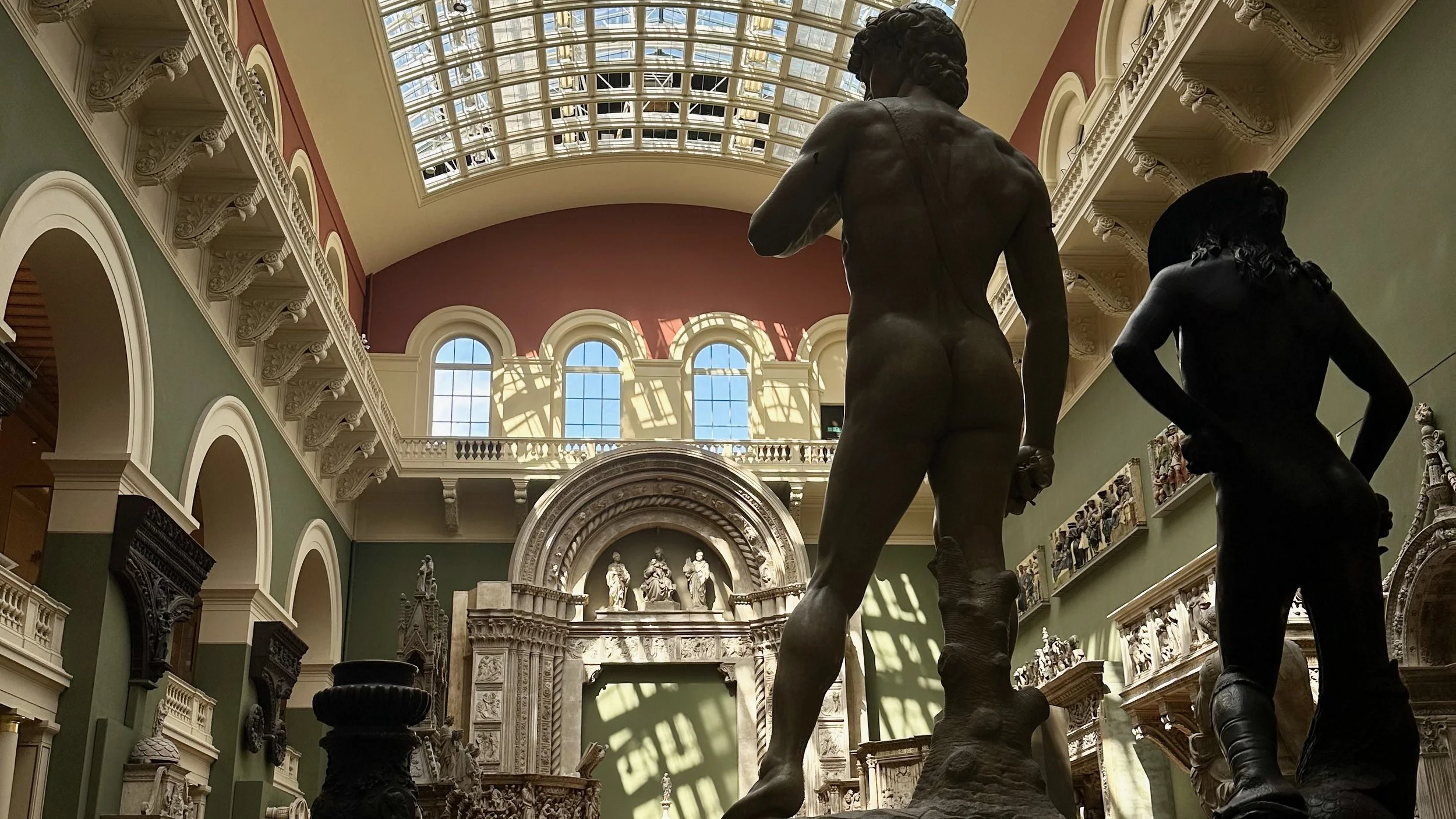
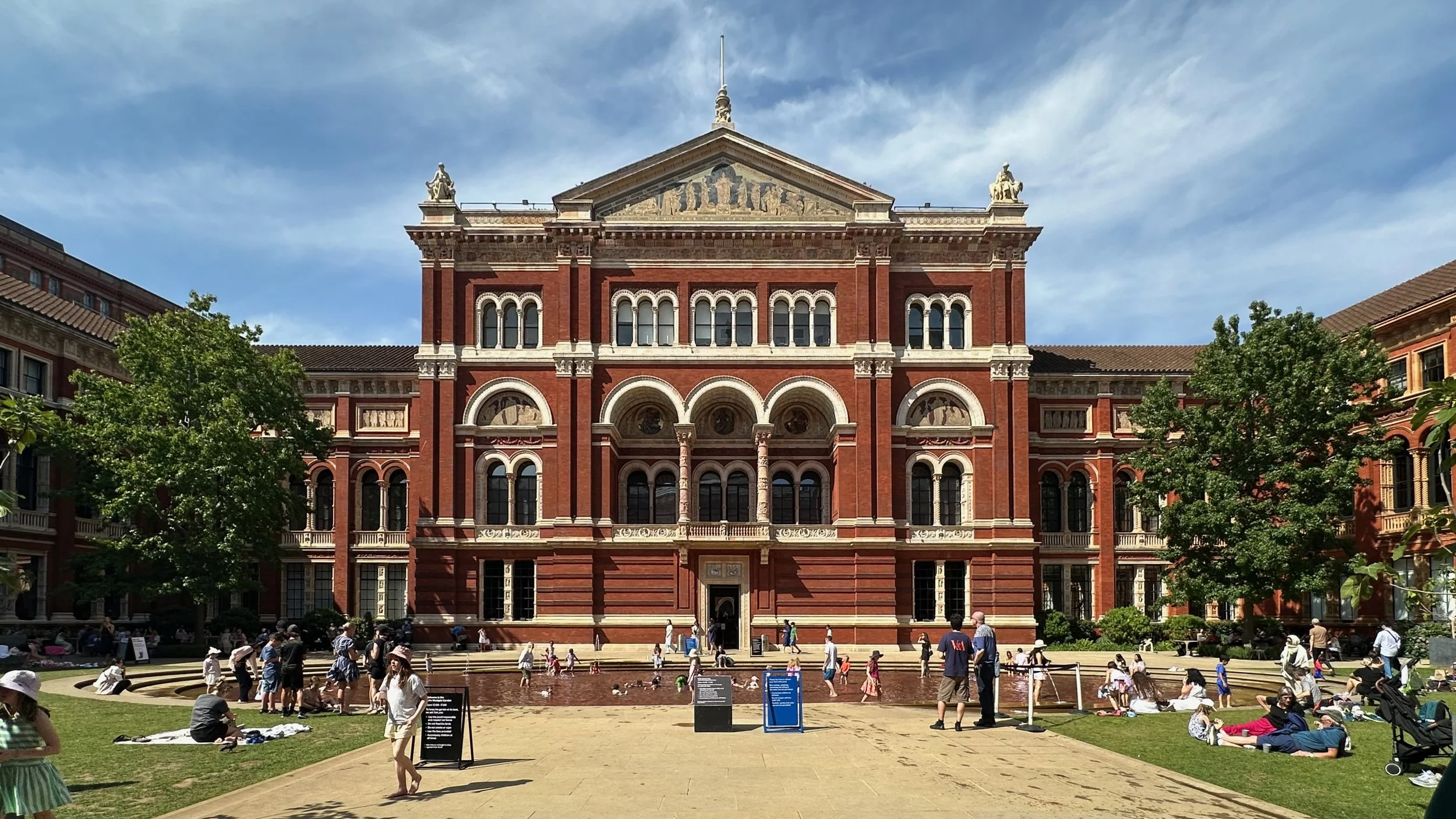
Item No. 14 + 22
London, UK
A day spent at the Victoria and Albert Museum can be overwhelming. The collection is so vast and remarkable its difficult to pay attention to every single exhibit. I can be overwhelming which is why I have avoided visiting it in the past.
Then I listened to a podcast called “Stuff the British Stole” which chronicles the misdeeds of the English Empire during their colonial times. There are still many controversial items on display at the V&A while there are also significant efforts in place to try and return the valuable cultural artifacts to the rightful countries where they were originally looted from. This applies to many museums worldwide, The Metropolitan Musuem (The MET) in NYC is one of those institutions. The stories are fascinating and this is why i decided to make a visit.
I was searching for Tippoo’s Tiger, an automaton that is perpetually devouring a British Soldier. Thankfully it was on display, I found it every bit as fascinating and weird as I had hoped. Wandering through the rest of the halls was enjoyable. I stopped to look only at what caught my eye, which certainly helped with feeling overwhelmed. (2 good strategies for visiting Museums! 1. seek out the one thing you know is on exhibit, 2. only stop to look at what interests you.) Sometimes the Museum Building itself is more interesting!
In the V&A shop, they had a nice collection of necklaces with a historical story. Your necklace is reminicent of the 1800’s delicate jewelry.
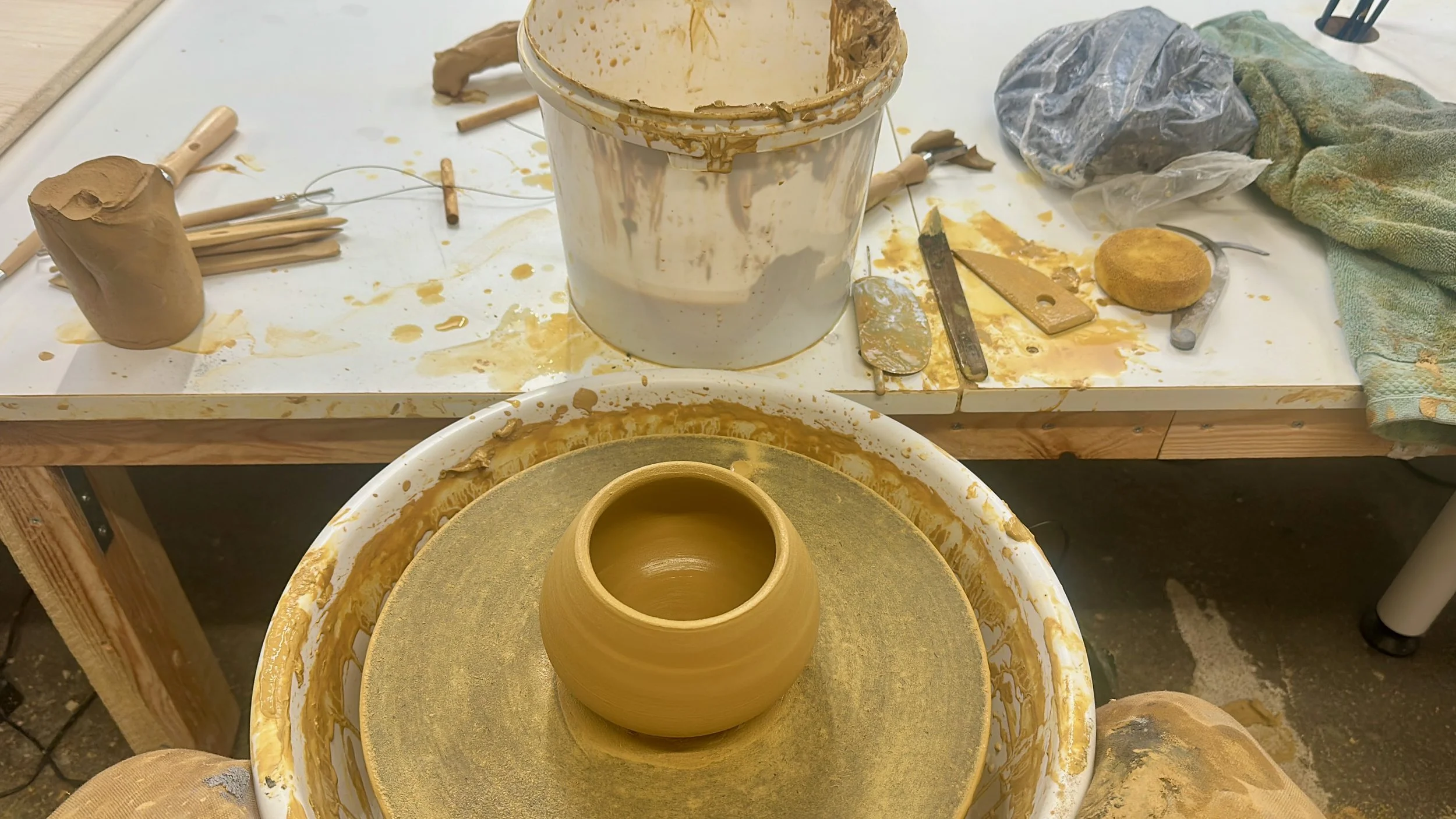
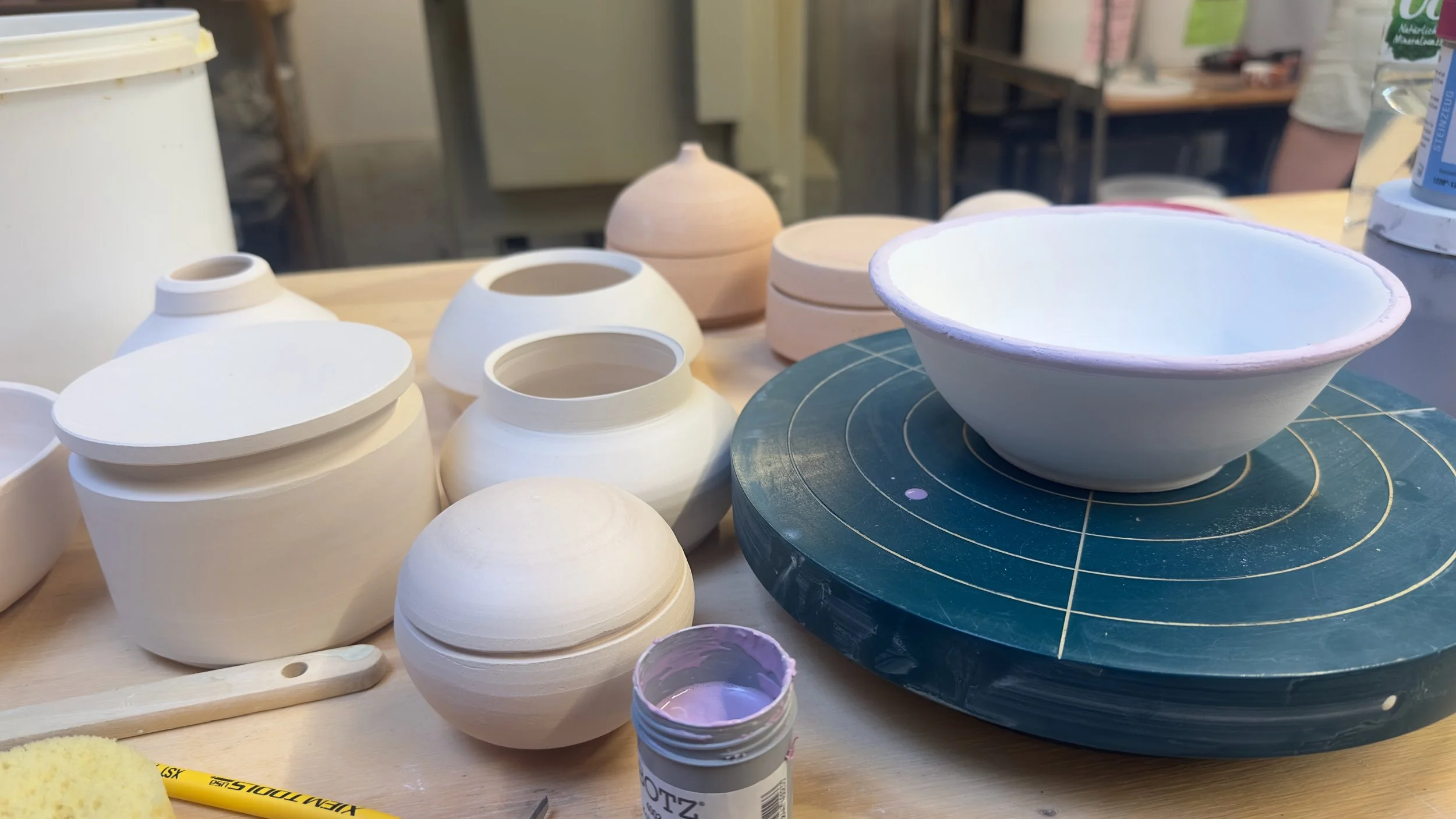
Item No. 15
Karlsruhe, Germany
II started learning how to throw pots on a wheel last year. I find it to be very therapeutic and fun. I have found making jars and boxes out of clay to be challenging because it requires you to command a certain amount of precision. Lately I’ve been exploring different types of boxes. The ceramic box in your gift is a moon box. the blue lines represent a lattice that catches the moon (the white disk on top) in the box. As its an experiment, there are some technical mistakes I made. It makes a perfect hiding place for earrings or neclaces.
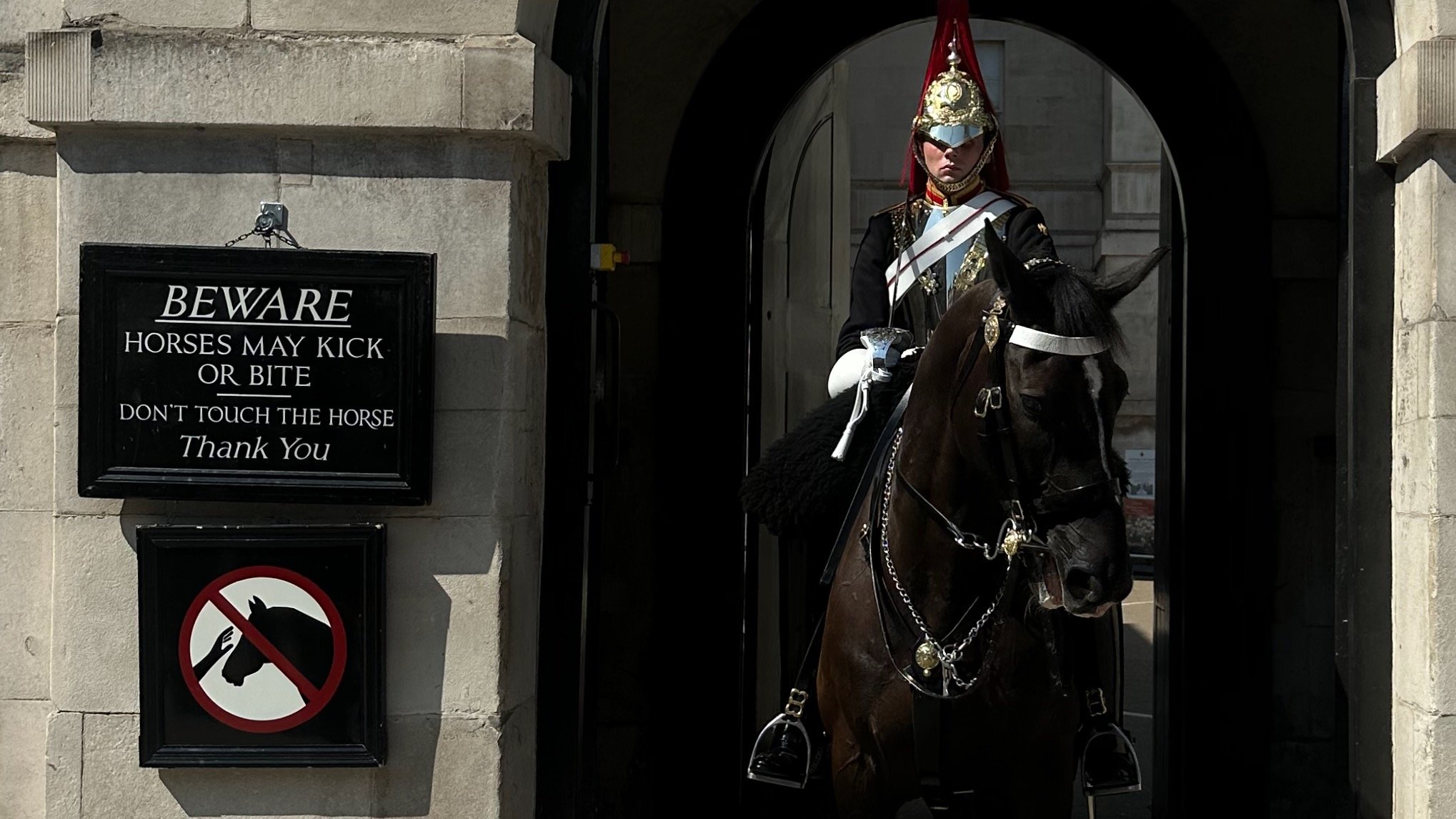
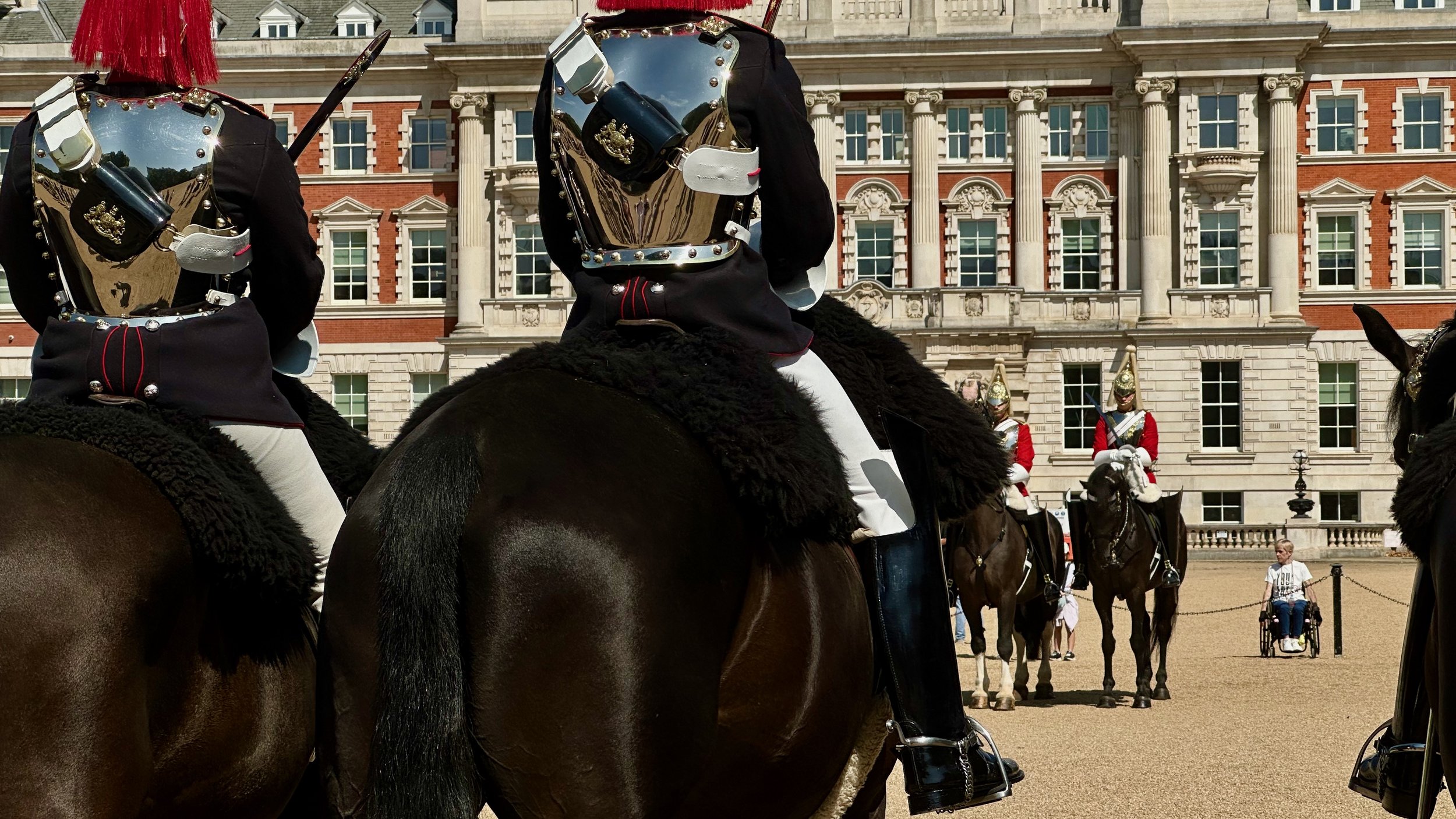
Item No. 16
London, UK
The black horses with their formally dressed riders are a famous sight in London drawing huge crowds. A pair of horses stand guard inside two gatehouses that flank the entrance to the courtyards of the historic Horse Guards building. This is where the Household Cavalry is based. Going into the museum allows you to see the actual stables and tack that are in use. Twice a day there are ceremonies performed on Horseback.
Many people enjoy having their photo taken next to the guardsmen. The famous Beware signs are hung everyday to warn visitors to keep thier distance. The horses may nip and bite, many are young and still exploring everything with their mouths - like a toddler. Petting is not allowed, if you get too close the guard will humiliate you with a loud reprimand. They’re fun to see, and smell - if you’re a horse person, the smell doesn’t bother you. In your package, there is a pin that is a miniature replica of the sign.
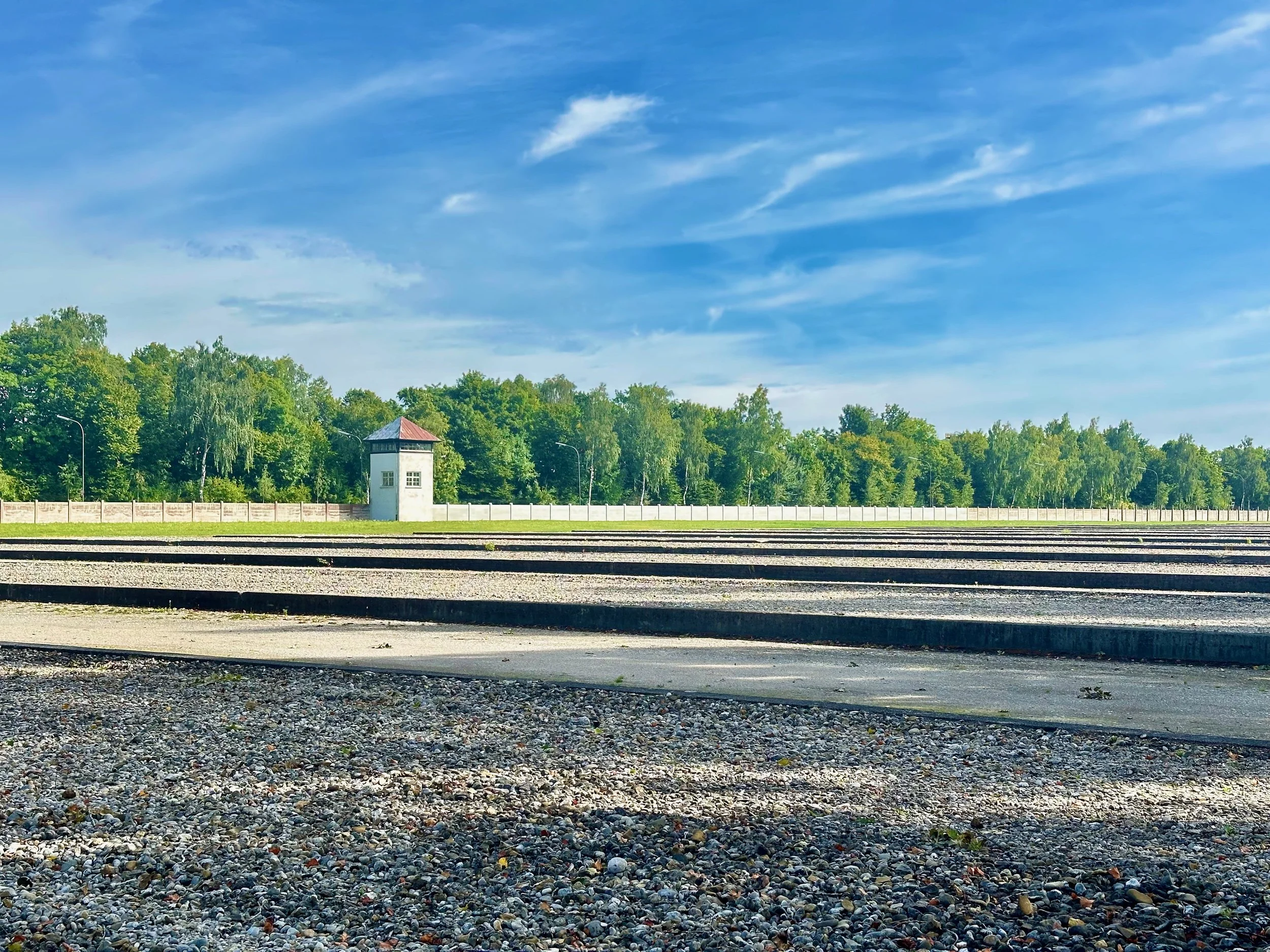
Most of the camp remains empty except for the footprints of the disease infested dormitories where the victims were held.
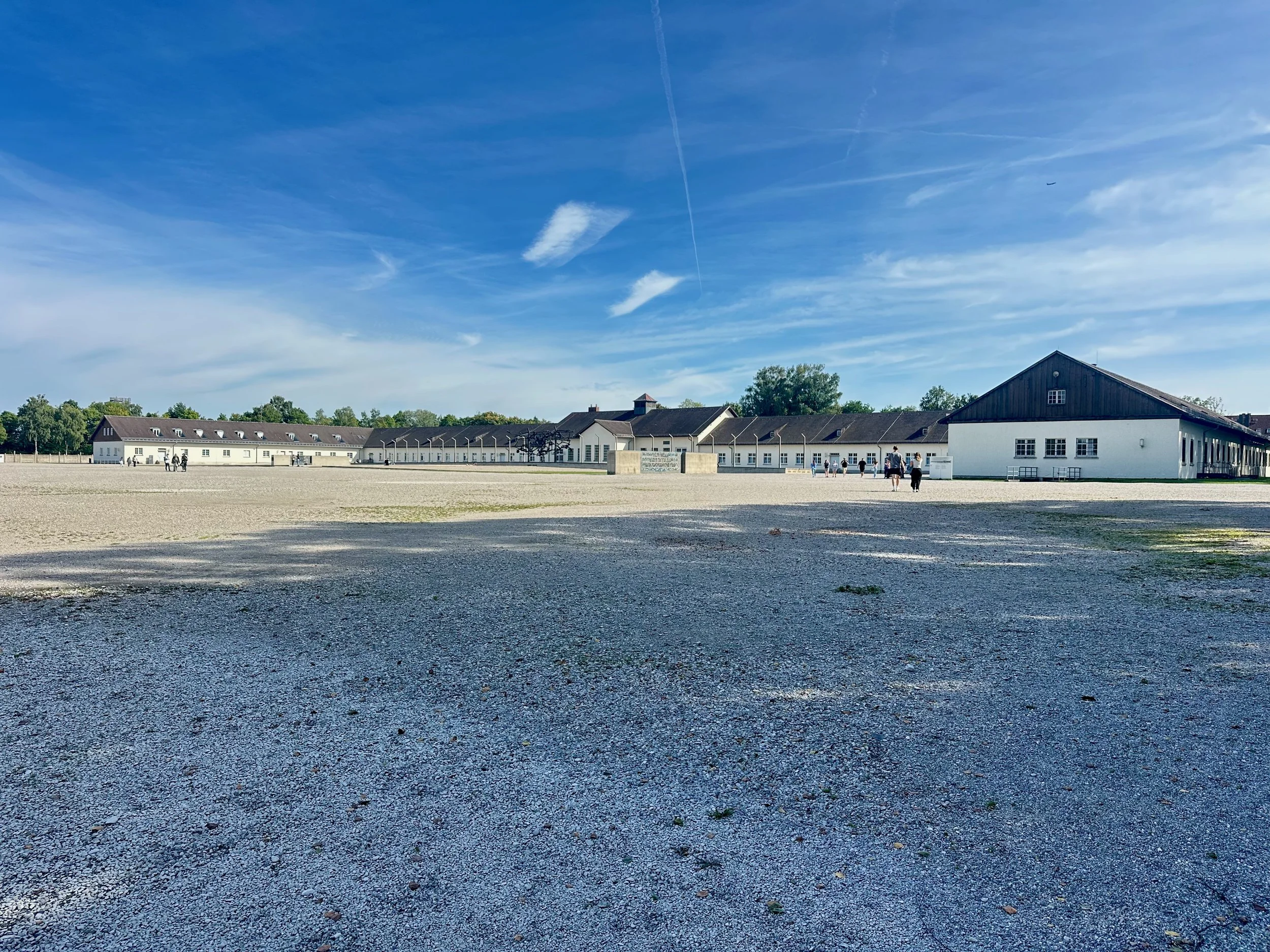
This building which now serves as a museum, was where the prisoners were bathed and processed and documented as they entered the campl
Item No. 17
Dachau, Germany
The name of this town alone sends chills down my back. It has become a symbol of the Holocaust. Dachau was the first Concentration Camp to go into operation. The villagers thought it was a prison camp that would support the local economy through the unpaid labor of the prisoners working in factories in the camp. Tragically, it was not the only one. Names like Auschwitz, Buchenwald, and Treblinka were just a few of many horrific places the Germans built in WWII - Names that have become synonymous with the horrors that German SS (Schutzstaffel or “Protection Squadron’) committed.
Visitng Dachau is an extremely somber experience. The entire site has been transformed into an emotionally moving memorial and as a warning; “nie wieder” or Never Again! The exhibits effectively explain how this horrific chapter in history happened, and reveal what happens when the wrong people come into power. Much to the surprise of many, It is a lesson that has sadly not been learned.
There is a blue glass stone in your box with a Star of David. These are sold at Dachau to commemorate those lost.
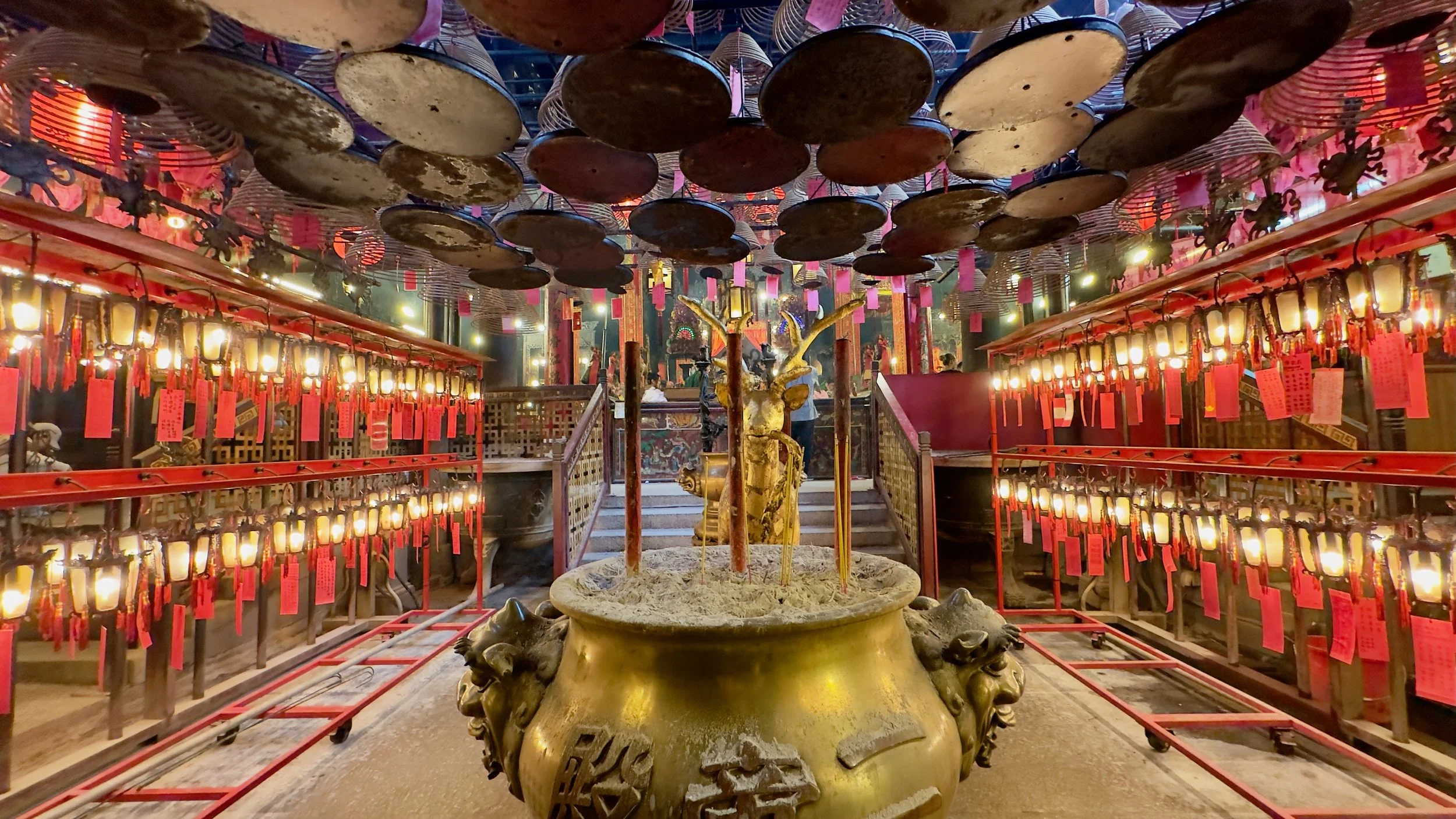
Item No. 18 + 27
Hong Kong + Kowloon
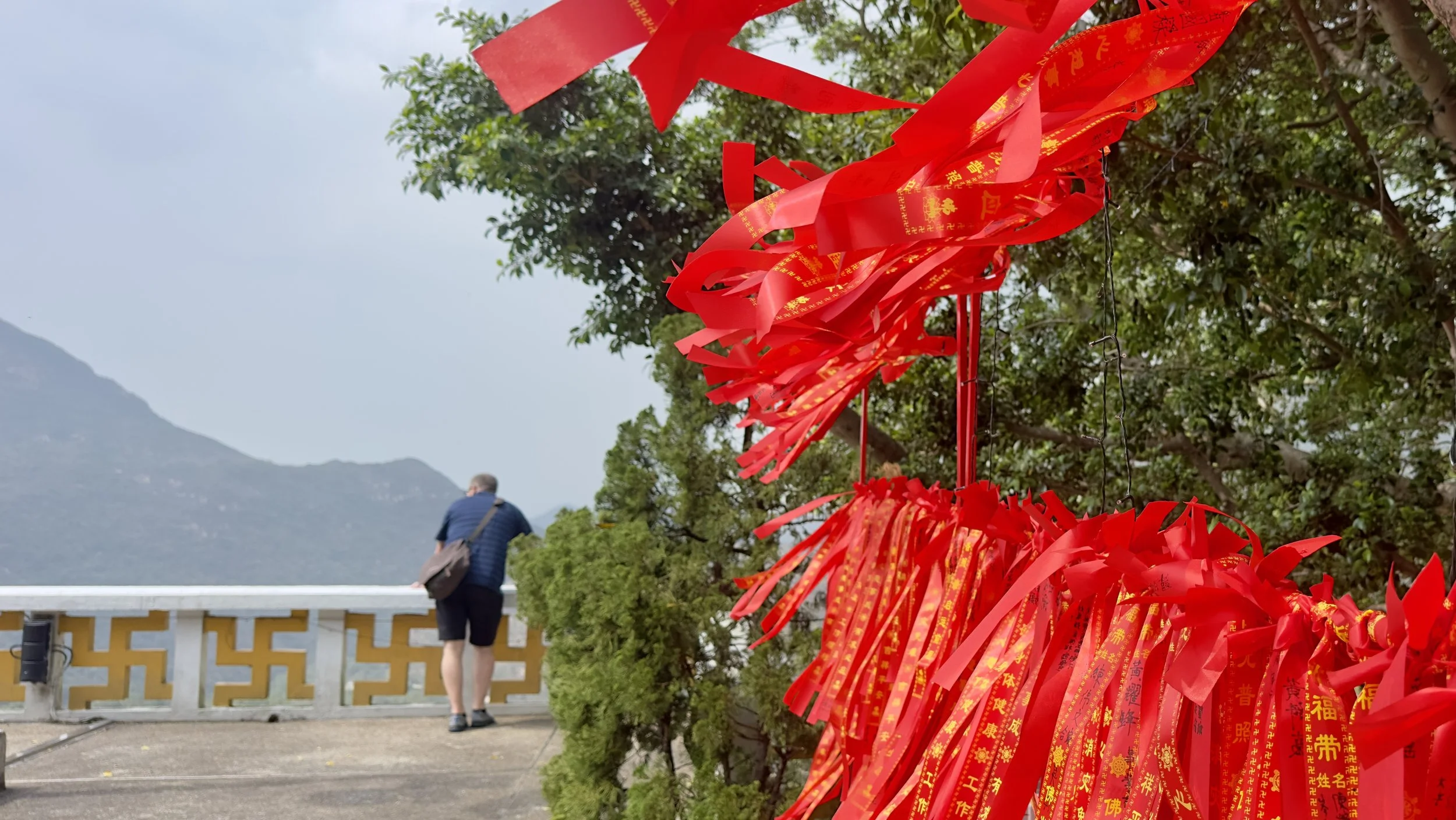
Ever wonder why so many chinese things are red? And why is there always gold stuff?
RED:
The chinese culture is very superstitious and they hold tight to many beliefs that western cultures debunk through science. But celebrating and using the color Red is relatively harmless. The chinese believe that Red symbolizes the sun, blood, and fire, three life giving forces which bring luck, happiness, and joy. They believe it wards off evil as well.
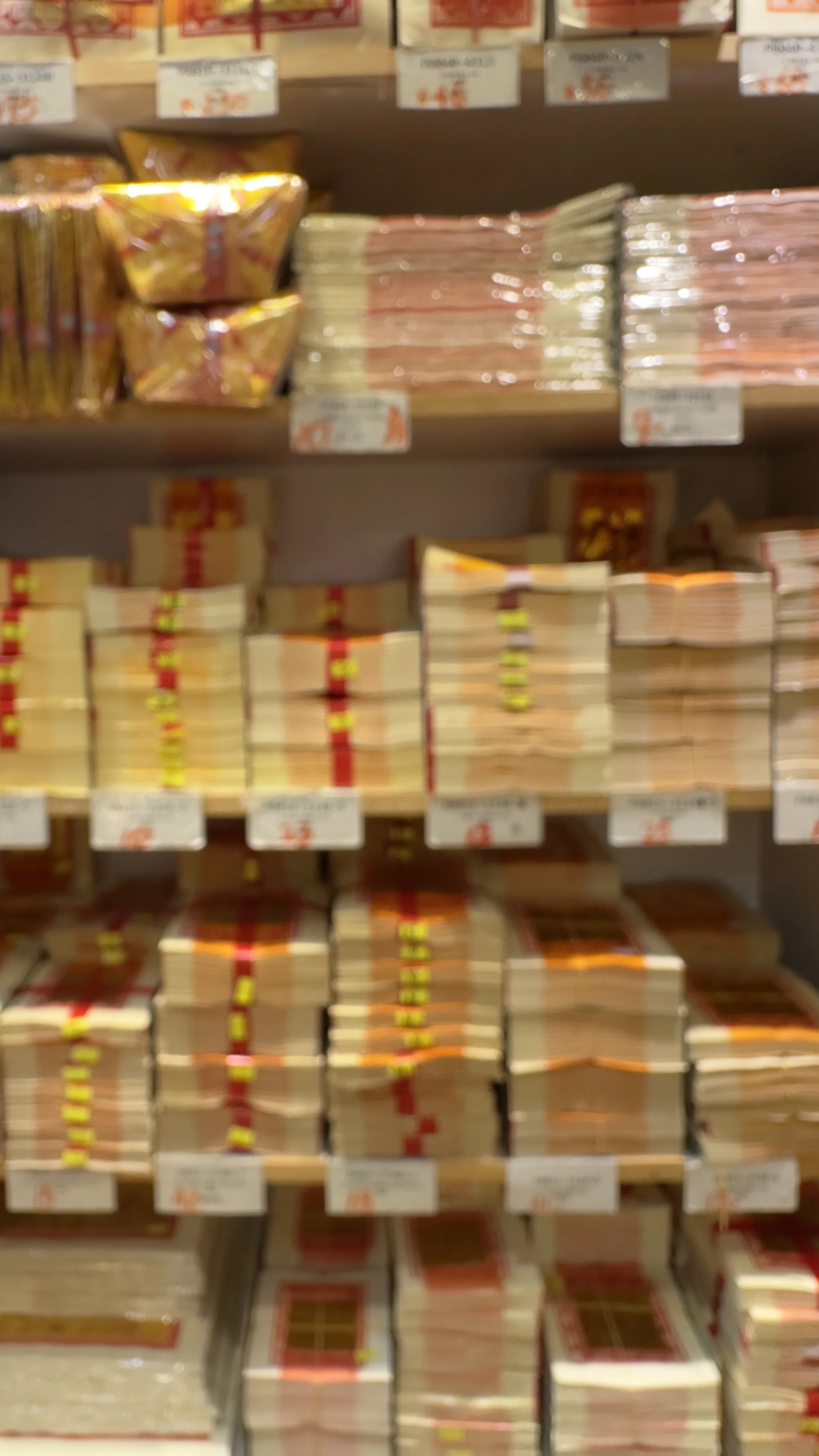
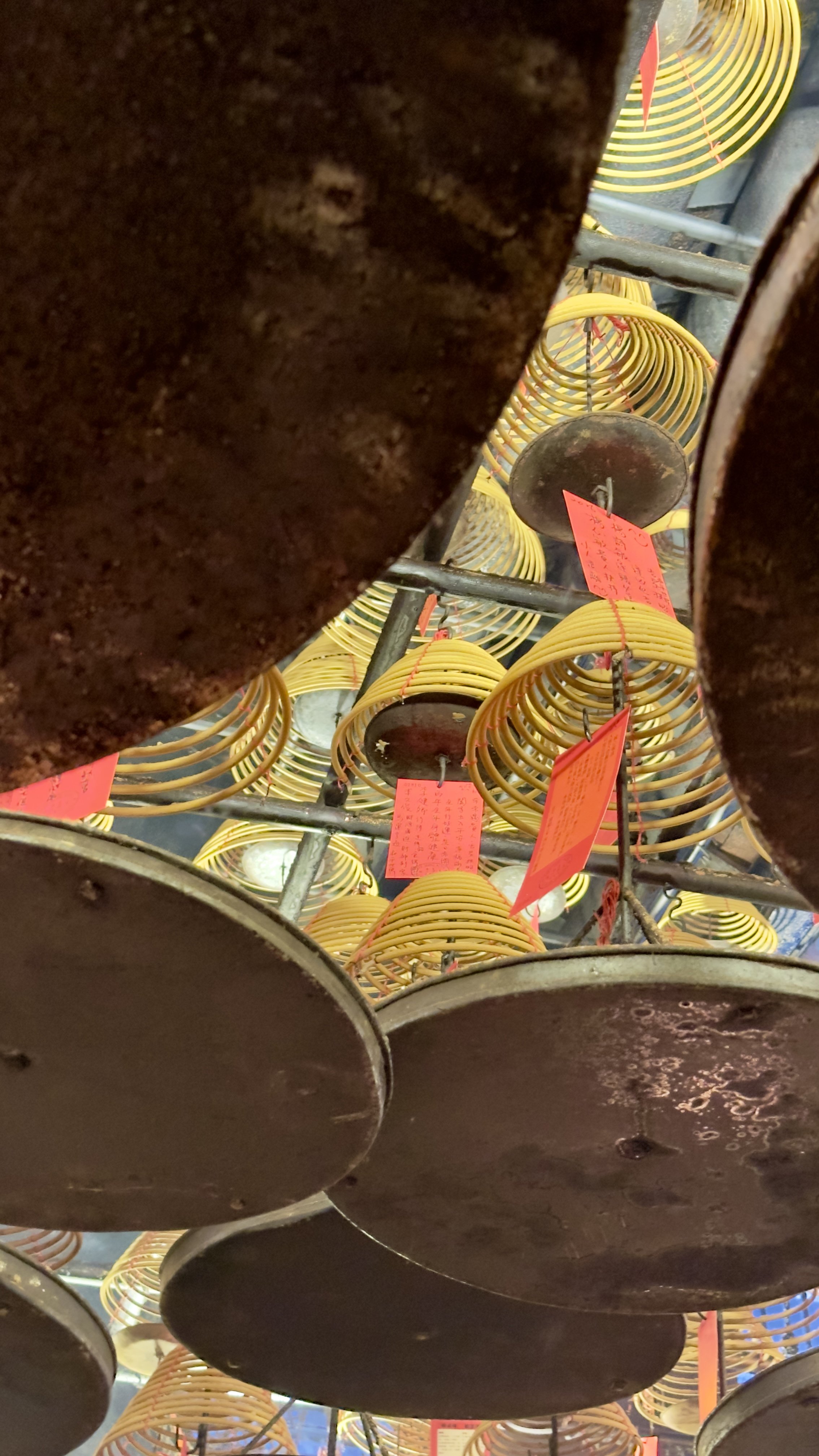
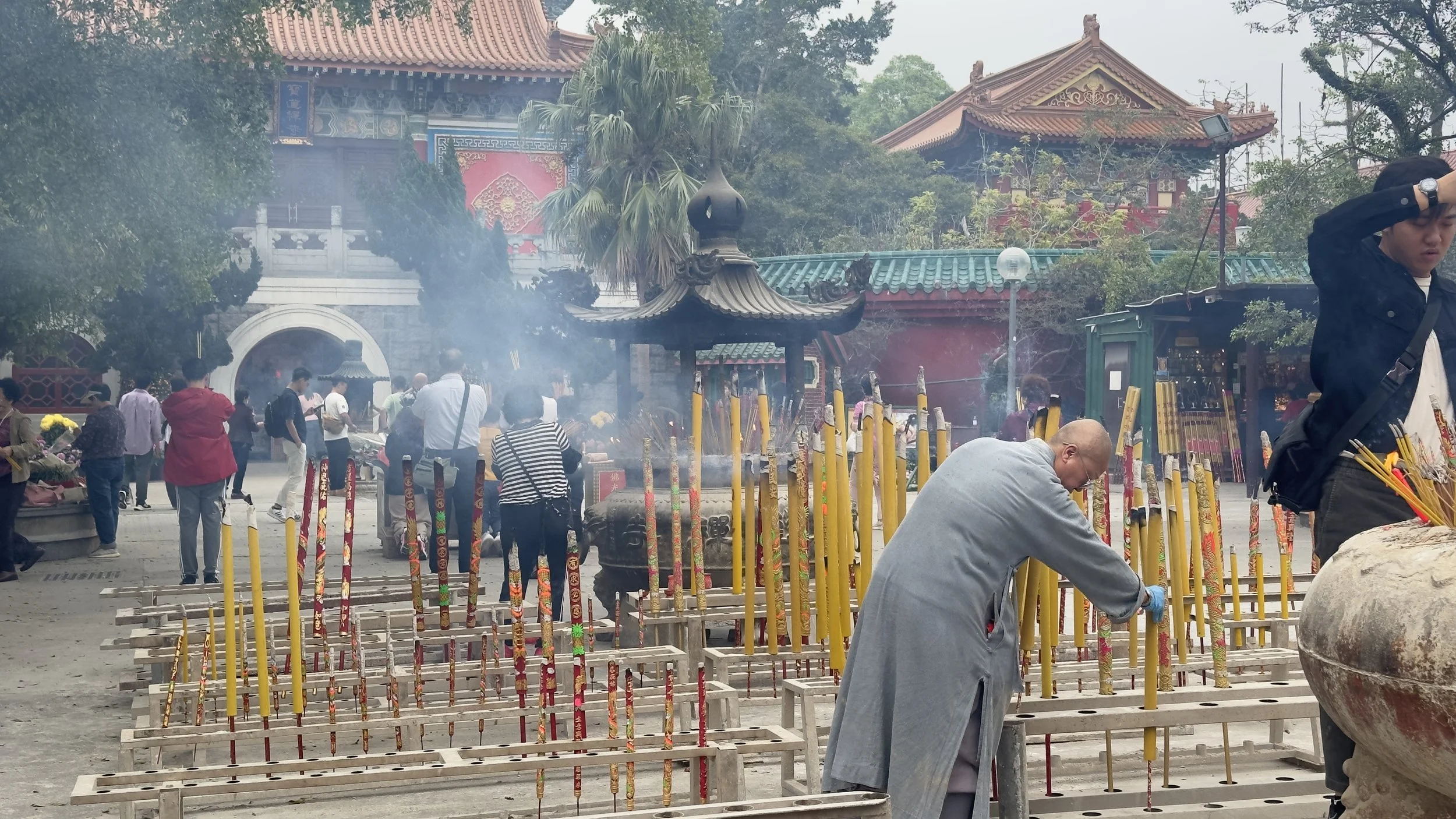
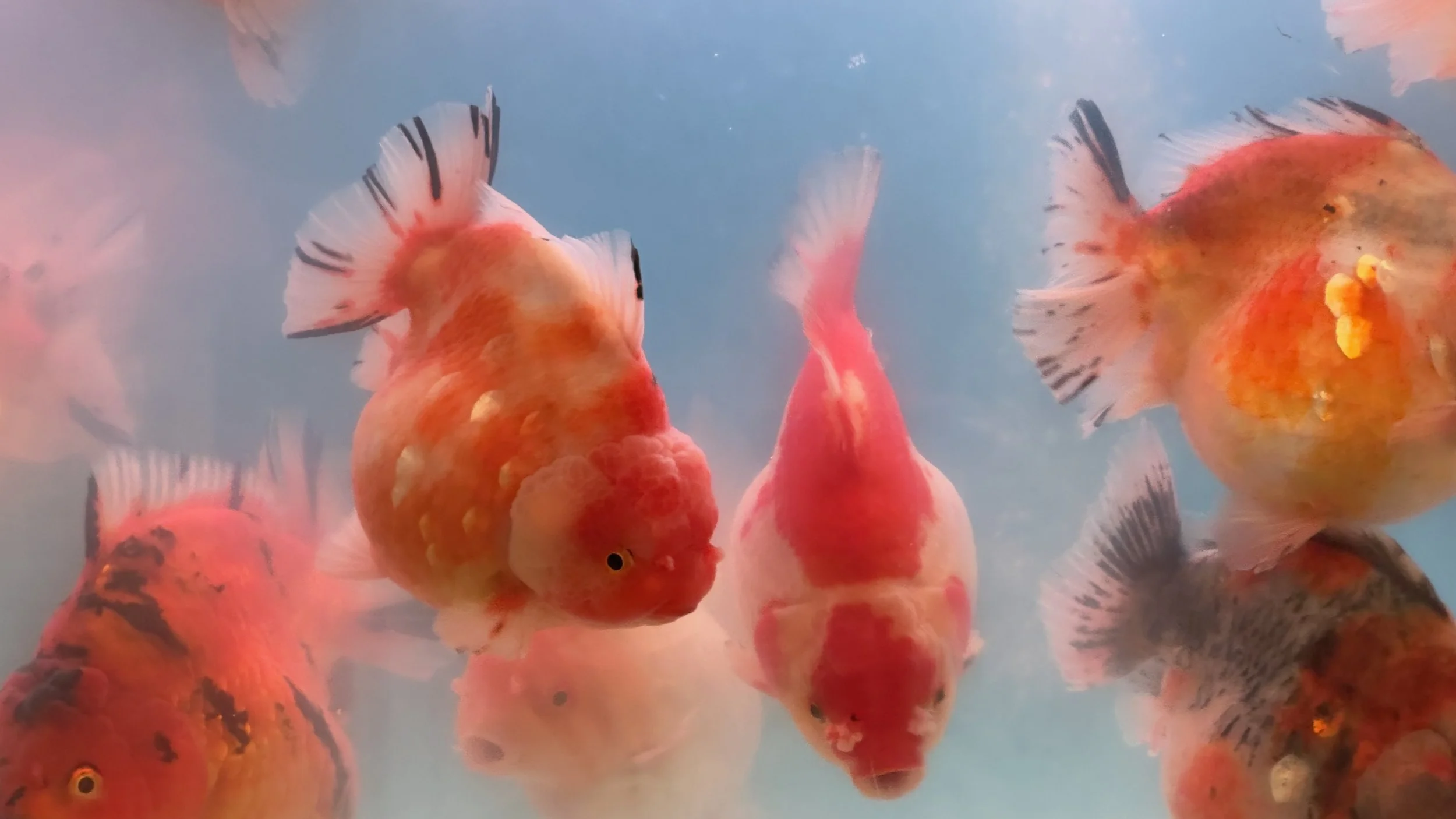
When you see a temple, it is almost always decorated in red, or the wooden elements of the buildng are painted red. The lanterns, fortunes, insense, jos papers, candles… Red. Many places including factories, restaurants, medical clinics, hotels, houses, will often have an aquarium with well cared for gold fish. They believe if a healthy goldfish dies, it was because it sacrificed its life to absorb bad luck that was headed for you. Goldfish are considered very valuable and are greatly cherished.
GOLD:
Gold represents wealth and money. So using gold to embellish red things is a common practice to bring good fortune - literally.
Red and Gold go together like peanut butter and jelly.
In your gift is a silky red pouch with golden patterns embellishing it. There is even a fake old fashioned coin on the zipper pull. Write your wishes on a piece of paper and put them inside and see if they come true.

Item No. 20
Essen, Germany
You will find a brass coin with the number 7584 engraved onto it. This is called a Fahrmarke - literally “riding coin” - or known simply as a Miner’s Tag. These were used as a way to ensure that every person came out of the Mine at the end of the shift and that no one was left behind or lost. The Miners would give their tag to the shaft elevator operator, who would place it on a board with pins. All of the employees would be logged in this way. The miners would go deep into the earth and work their shift in the mine. Upon returning to the surface, they would reclaim their Fahrmarken. The absense of the tag on the board would indicate that that employee had returned safely and was accounted for. If a tag remained unclaimed, a search team would be notified to go search the mines to find the missing miner. The Fahrmarke that you have has a unique number, but it was produced to be a souvenier.
Item No. 21
Pittsburg, PA
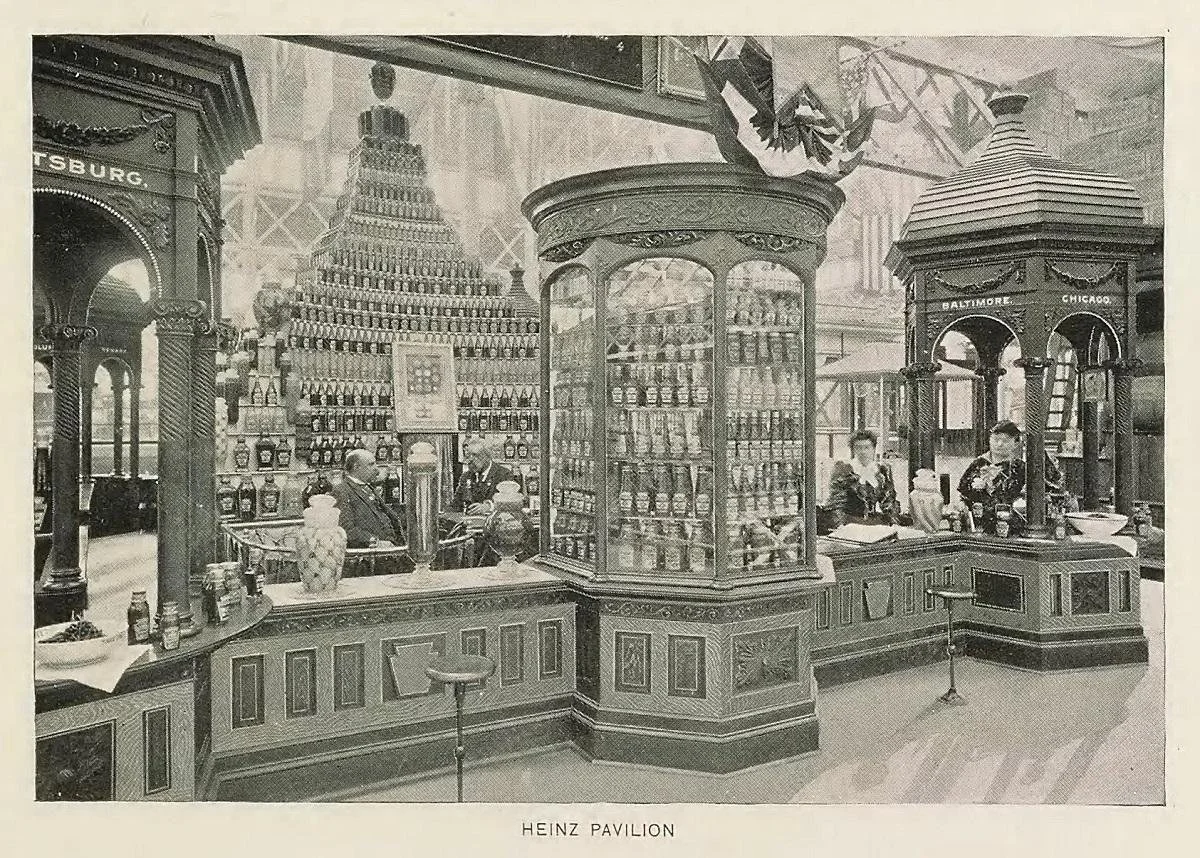
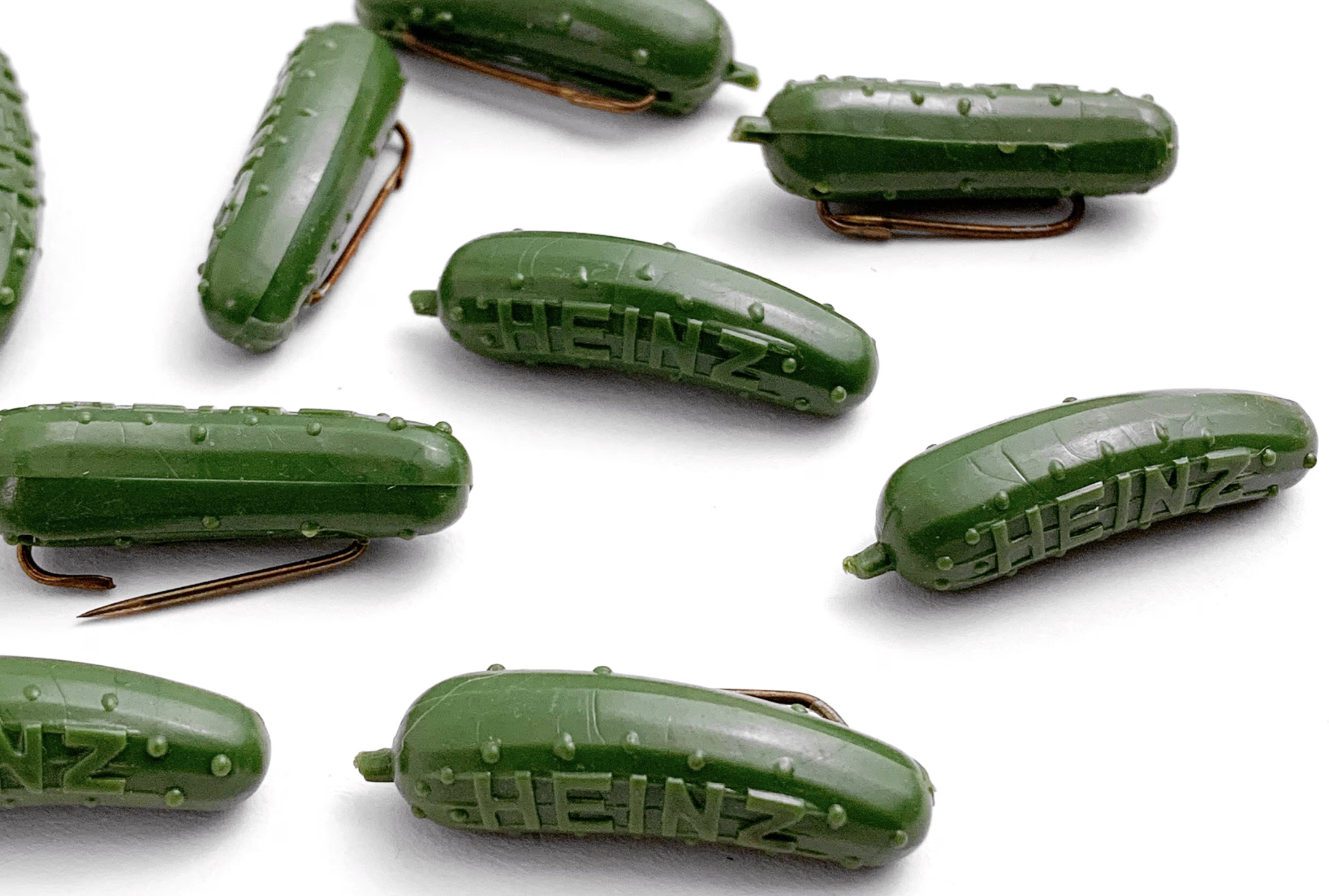
The tiny pickle pins you see above were part of one of the most successful marking campaigns in American History. At the 1893 World’s Columbian Exhibition held in Chicago, IL, Heinz Pickle Company had a problem, their pavillion was placed on the second floor of their exhibition hall. As the entryway for the exhibits were always on the ground floor, this spelled certain disaster as foot traffic and visitors would be much less. The people at Heinz devised a scheme and left millions of yellow tickets around the fairgrounds inviting guests to come visit their pavilion on the second floor. Guest would not be disappointed as upon their arrival they were promised to recieve a charm to hang on their pocket watch chains.
The charms were little green pickles with the name HEINZ boldly written across the gently arching vegetable. This marketing strategy became such a sensation, that news outlets across the United States, from California to New York City, reported about the rave reviews, and of course the pickle charms. For over 100 years, Heinz has continued to produce these pickels, which are now sold as pins. Rumor has it, you can still get them at the original HEINZ pickle factory in Pittsburg.
You won’t need to do that, because you have one included in your box.
Item No. 23
Assateague Island, Maryland
In 1978, the year your Dad was born, a magical Christmas gift waited under the tree. It was a box with a Breyer Horse Model of Misty of Chincoteague and her foal Stormy. I also recieved a trio of books by Margueritte Henry - The Misty of Chincoteague Stories.
Chincoteague is an Island that lays south of Assateague. Each year, the Chincoteague Volunteer Fire Department sends its Saltwater Cowboys to start a Pony Round-Up. A group of wild horses from the southern tip of Assateague Island are corralled and sent into the channel of water where they will swim to Chincoteague. The younger horses, or yearlings are separated and auctioned to the public to raise funds for the Volunteer Fire Department. This year (2026) will be the 101st Pony Round-Up.
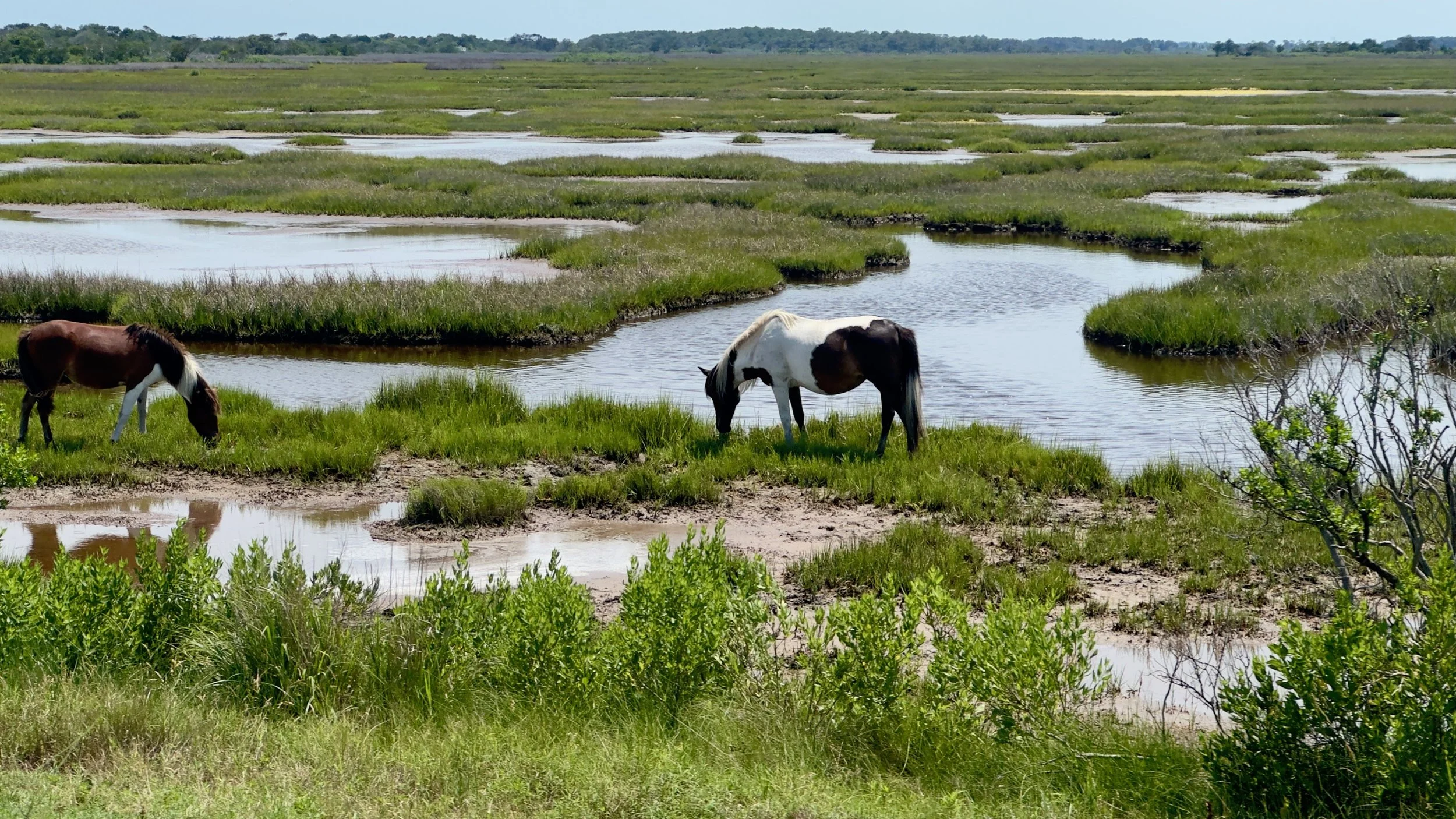
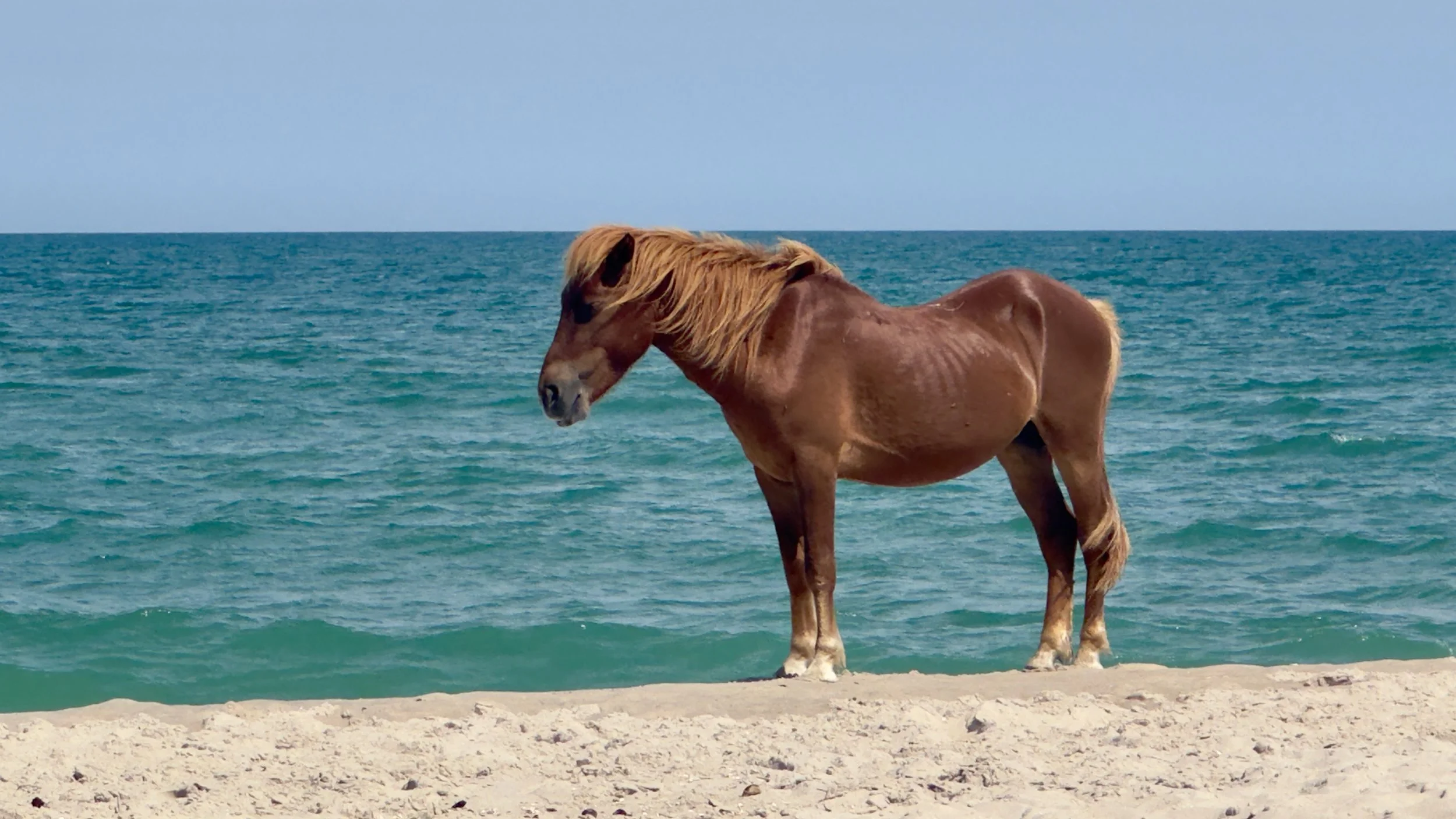
This year I finally had the chance to see the ponies on Assateague Island. This is something I have wanted to do since I was a horse crazed little girl in 1978. While I haven’t yet witnessed a Pony Round-Up, It was an incredible experience seeing these ponies on the beach and in the marsh. Some had young foals with them, others like the stallion on the beach, were significantly older. They have free reign of the island and are a protected species.
Where did they come from? There are two theories. The most popular - and romantic - is that these are decendants of the horses brought over on Spanish ships during pre-colonial times. There is a belief that a Spanish Galleon shipwrecked off of the coast of Assateague and Chincoteage Islands, These fully domesticated horses swam to safety and have been living on these Islands for several hundreds of years - evolving to the environment. The other theory is that farmers from the mainland brought their horses over from the mainland to let them freely graze. DNA tests however, suggest the shipwreck story to be more plausible, while the farmer story seems more practical.
Whichever is true, these feral horses are enjoyable to watch. In your box, you have a sticker and some sand from Assateague Island’s Beach
Item No. 25
Hong Kong
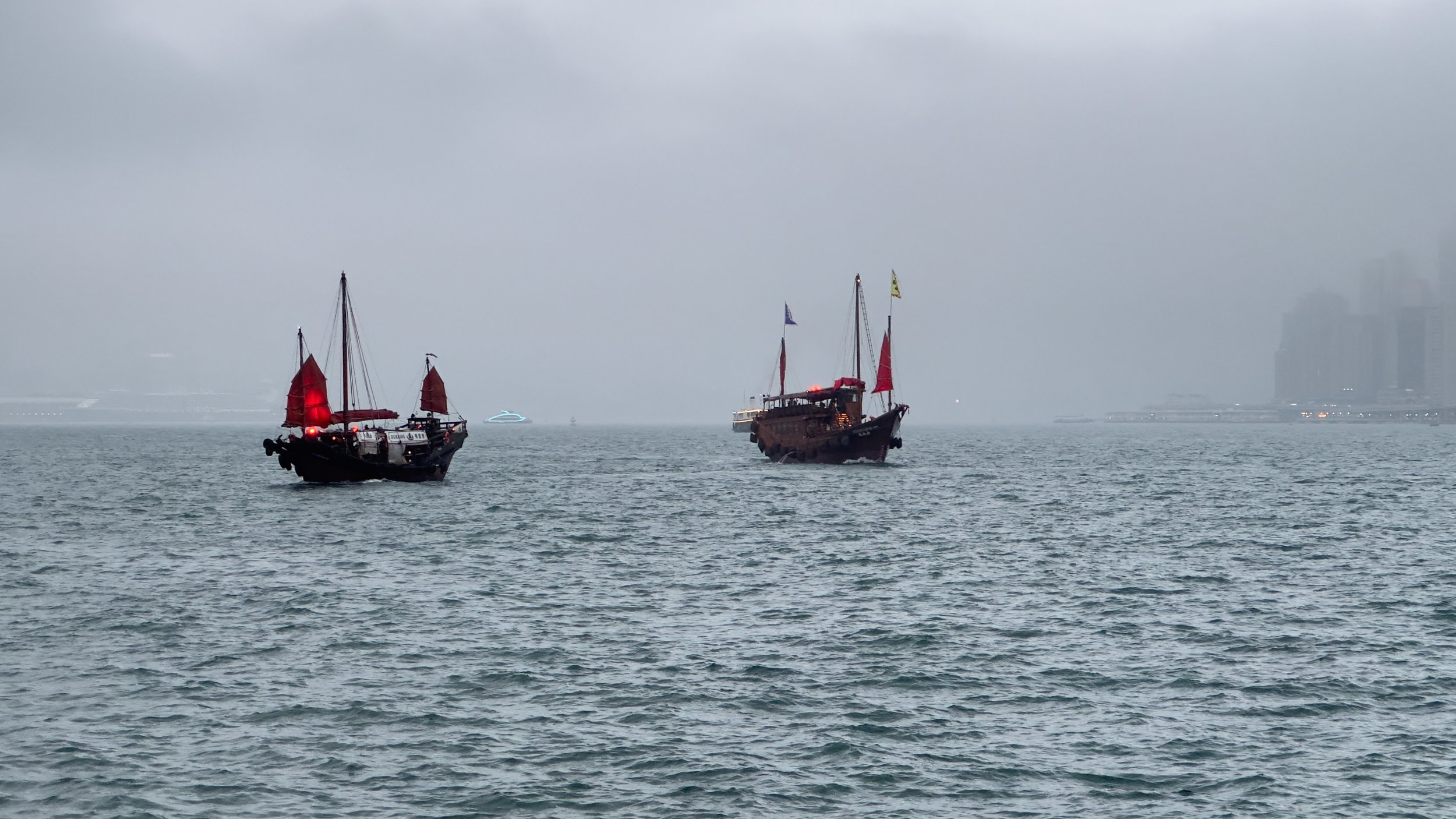
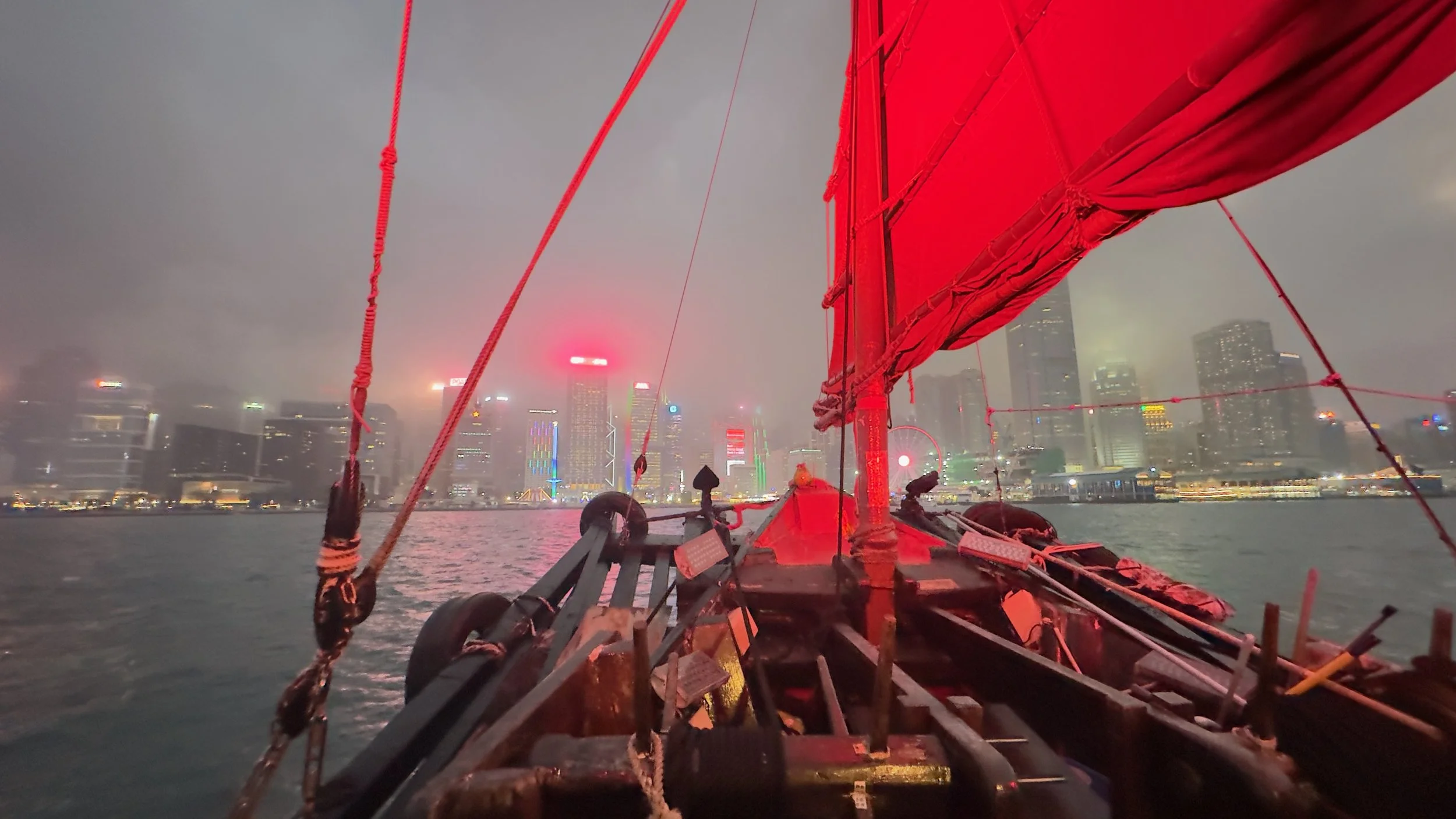
The Junk is a traditional Chinese Ship that once filled Hong Kong’s Victoria Harbor and China’s waterways. Now they are seen as a throwback to older times and serve mostly as a seafaring experience for tourists. The junk has a long and storied history going back centuries. They typically have three masts with three red sails on a ship made of timber. In the past, these ships took on various forms that supported shipping, fishing, trade, cross oceanic voyages, and war. They are an important cultural living artifact of Chinese heritage.
I was lucky enough to go for an evening cruise on the “Dukling” which was found submerged in the bay and was completely rennovated. They estimate it was built fairly recently, in 1955. At 70 years old, this Junk is the only one remaining in use that is an authentic Junk.
The miniature Junk in your box was manufactured in Hong Kong by one of the last toy manufacturers still in operation. While it isn’t very detailed, it does give you a sense of the form of the boats. The Hong Kong Taxis are also made by the same company and are wildly popular among collectors and tourists.
Item No. 26
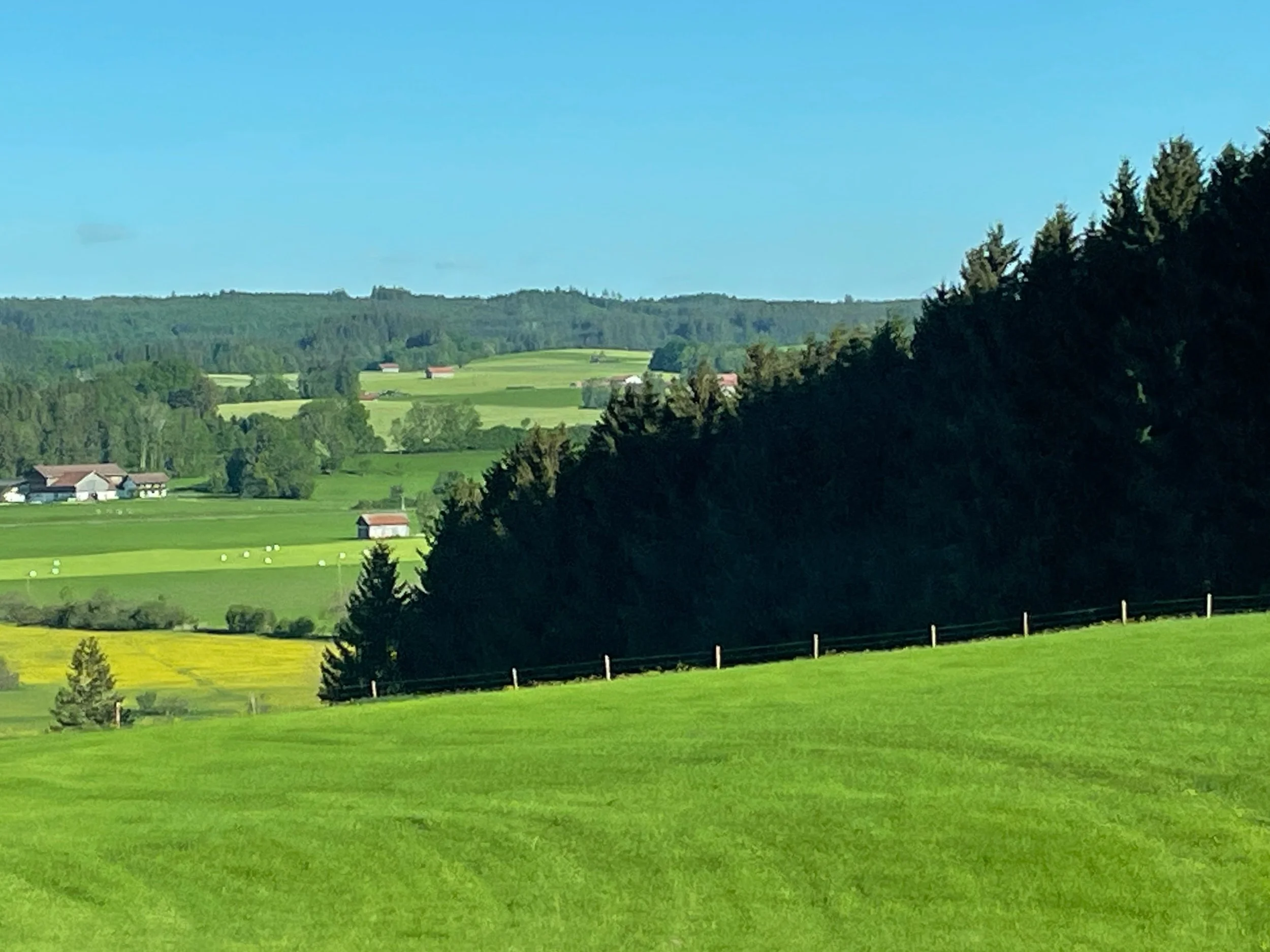
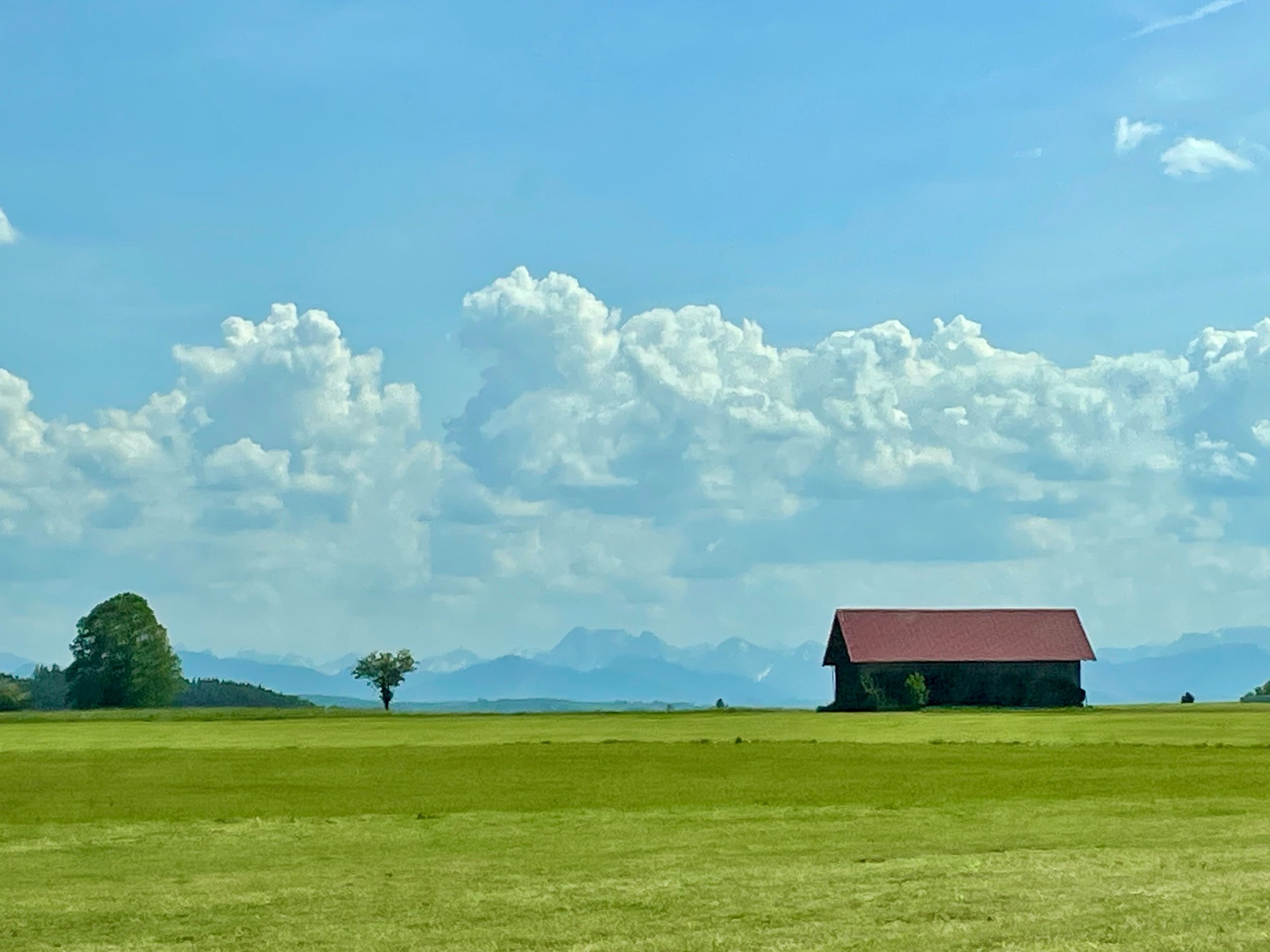
Allgäu, Bavaria
The foothills of the Alps in southern Bavaria are known as the Allgäu. This beautiful emerald green rolling hills lie in contrast to the jagged blue alps that dominate the background. It is here where hops are grown and harvested for Germany’s famous beer, and the dairy cows are grazed and milked to produce yougurt, cheese and wholesome milk. The map of the Allgäu is printed on a Bier Deckel - a coaster for a bottle of beer, which is in itself a symbol of Germany.
Item No. 28
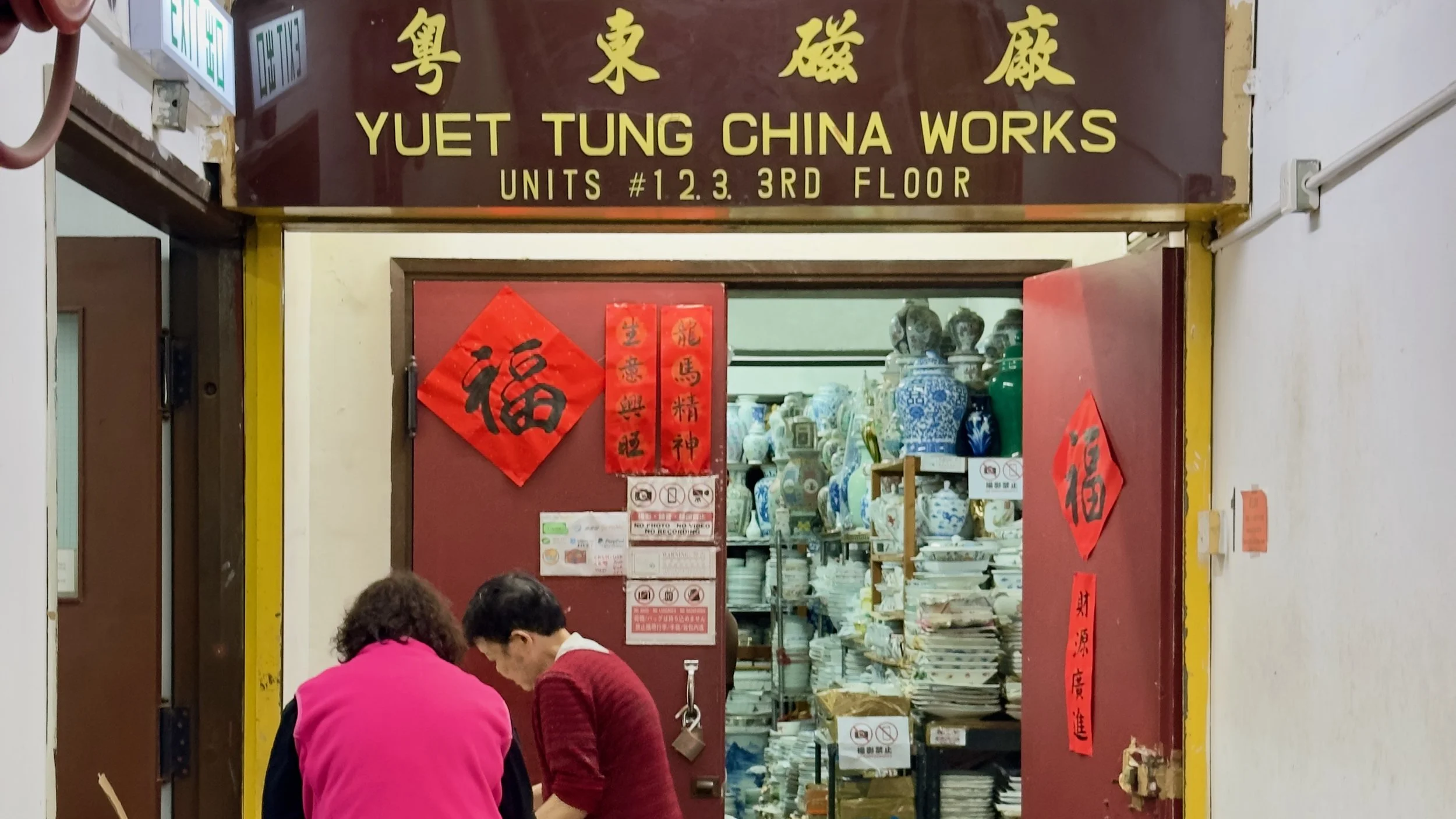
Yuet Tang China Works, Kowloon
Not to state the obvious, but ”China” is what we call porcelain dinner ware, because it comes from China. During the early 1800’s trade between England, the United States and China used ships designed and built in Baltimore known for their speed. These ships were known as clippers and would expedite shipping of tea to England and the US. The faster the ships sailed, the fresher the tea and the bigger the profit. To ensure the boats had enough weight in the hull to keep the tall clippers upright and balanced in the water, the captains of the ships would buy large quantities of porcelain from the Chinese Merchants. This was how porcelain was introduced to the West. Because of its beautiful and exotic patterns, Chinoserie became the “it” item to display wealth and prestige. This love affair with Porcelain cooled off after WWII and has been in a steady decline since.
Southern China is reknowned for its expert craftspeople who craft vases, dishes, boxes, plates, cup, urns, bowls, figurines, etc. If you truly want to learn how to become an expert potter, Jingdezhen 景德鎮市 or Chaozhou* 潮州 are the places to go as the historic capitals of chinese pottery.
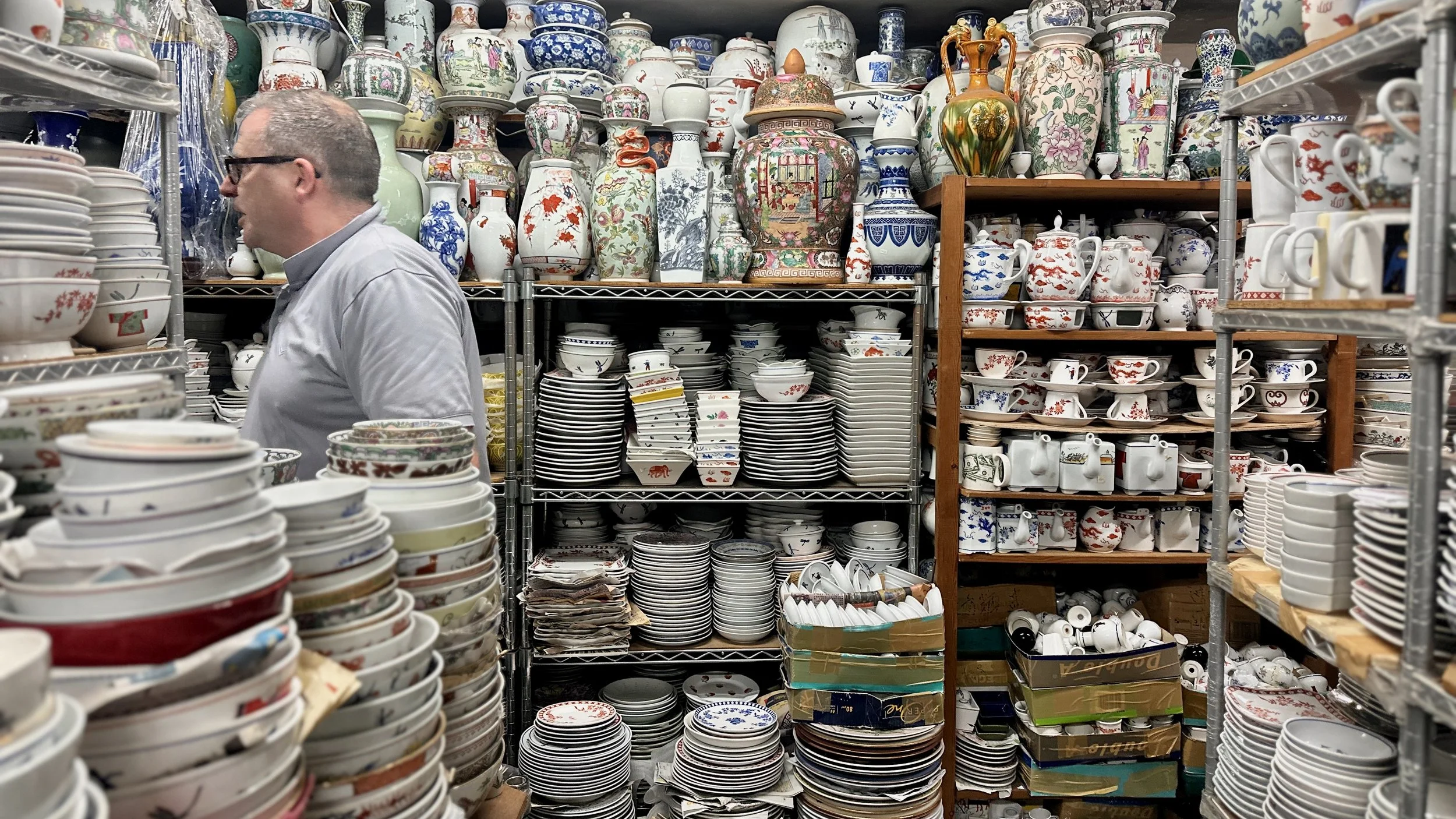
Once the objects were made and bisque fired, the porcelain was shipped to Hong Kong where many factories full of artisans would hand paint the wares. As demand has declined significantly in the past decades, only one factory remains open in Hong Kong today. That factory is called Yuet Tung China Works. It has become a legendary place to hunt for Guangcai porcelain and has provided custom orders for some of the world’s most prestigious Hotels and Royal Families.
In the Red Silk Pouch, you’ll find a small dish with a frog painted onto its center. I found this at Yuet Tung. I realize that Chinese Porcelain may seem like a silly thing to get excited about, but its rich history of cultural, political and financial influence is much more significant than most people realize. I have been collecting Guangcai style porcelain for several years - Grandmother Carter had given me a few pieces which sparked my interest. Sometimes following the curiosity of most mundane things can take you to interesting places. In this factory, we watched a few artisans hunched over their tiny tables near windows, surrounded by pottery EVERYWHERE! It was one of the most surreal and fascinating places to visit!
*I have actually visted Chozhou - its where I bought the tiny lantern that was in one of your boxes a few years ago
More Photos!